
Last updated November 17, 2026
 Home additions & ADU
 Kitchen remodeling
 Bathroom remodeling
 Roofing
 Windows & doors
 Driveway & pavers
 Fence
Free written scope consultation - allowances, timeline, and change-order rules on paper before a single trade is scheduled
Construction Warning Signs: An Antioch Homeowner’s Reference Guide
Most cracks in a house are cosmetic. A few are not, and the difference rarely comes down to how wide the crack is. It comes down to where it sits, what shape it makes, and when it appeared. In Antioch, timing matters more than almost anywhere in the Bay Area, because the clay subsoil under much of the city swells when the winter rains arrive and shrinks back through the dry months. That movement shows up in specific places on a house, and once you know the patterns, you can tell a settling crack from a symptom that deserves a closer look. This guide walks through the warning signs we look for in Antioch homes, how to read them against the seasons, and when a sign calls for a contractor versus a licensed engineer.
Quick Answer
The warning signs that matter most in Antioch are pattern cracks (stair-step or diagonal cracks radiating from door and window corners), doors and windows that suddenly stick, patio slabs pulling away from the house at an angle, and lifted or missing shingle tabs on the windward roof slope. Isolated hairline cracks in drywall are usually cosmetic. Cracks that appear or widen after the first heavy rains, or that repeat in the same spot year after year, are the ones that warrant an evaluation before you reach for a caulk gun.
Styles & brands we work with
- Kitchen remodeling
- Bathroom remodeling
- Home additions & ADU
- Roofing
- Windows & doors
- Driveway & pavers
- Fence
Table of Contents
- How to Tell a Cosmetic Crack From a Structural Pattern
- Why Timing Matters: Antioch’s Clay Soil and the Seasonal Cycle
- Exterior Warning Signs Unique to Antioch Homes
- Roofing Warning Signs From Delta Winds
- Reading Interior Moisture and Stains Through the Seasons
- Contractor vs. Structural or Geotechnical Engineer: Who to Call
- Common Mistakes to Avoid
- When to Call a Professional
How to Tell a Cosmetic Crack From a Structural Pattern
A cosmetic crack is short, thin, and isolated. A structural pattern is a crack with a shape, a direction, and a habit of returning. The distinction isn’t about the size of the crack so much as the geometry and the repetition.
Hairline cracks in drywall are common in any home and usually result from normal settling, seasonal humidity swings, or the natural curing of lumber. They tend to run vertically, stay under about the width of a credit card, and don’t change much over time. A crack that runs diagonally from the top corner of a door frame toward the ceiling, or stair-steps along mortar joints in a brick or block wall, is telling a different story. Those patterns follow the lines of least resistance in the structure and often trace movement in the foundation below.
Here’s how to sort the two:
- Look at the shape. Vertical hairline cracks are usually benign. Diagonal cracks radiating from the corners of doors or windows are pattern cracks.
- Look at the width. If you can slip a nickel into the crack, it’s worth a professional look. Cracks that continue to widen over weeks are a stronger signal than a crack that appeared once and stopped.
- Look at the location. Cracks that appear on multiple floors in the same wall line, or that mirror each other on opposite sides of a room, suggest movement rather than settling.
- Look at the doors. A door that suddenly binds in its frame, or a window that won’t latch, is a structural signal even if the drywall around it looks fine.
- Look at the timing. A crack that appears or widens after the first heavy rains in late fall is more likely tied to soil movement than to interior settling.
If you’re weighing whether a crack belongs to a bigger repair, it helps to understand the full scope of what a residential construction partner handles. Our Construction Antioch team regularly walks homeowners through this exact question, and the answer often comes down to whether the sign is isolated or part of a pattern.
Why Timing Matters: Antioch’s Clay Soil and the Seasonal Cycle
Antioch sits over expansive clay soils that respond dramatically to moisture. Through the dry summer months the clay shrinks, and through the wet winter months it swells. That cycle is gentle on a well-built foundation and hard on one that has any weakness, and it’s why the same crack can look trivial in August and meaningful in December.
In our experience, the diagnostic events in Antioch cluster around the transition from dry to wet. The first substantial rains of late fall are when the clay begins to take on water and expand, and that’s when a foundation that was sitting quietly all summer can shift. Cracks that appear in November, or that widen in the weeks after a wet storm, are the ones worth watching closely. A crack that shows up in the middle of a dry July is more often related to interior materials than to the ground.
This seasonal pattern also explains why some houses show repeats. A crack that opens each winter and closes each summer is tracking the soil, not the drywall. Homeowners sometimes fill that crack every year without realizing the refilling is itself the clue.
Two things help you use this timing:
- Photograph a crack with a date reference. Six months of images will tell you more than any single inspection.
- Note when it first appeared relative to the weather. A November crack after the first rains points to soil movement; a July crack in dry heat points to drywall.
If you’re planning exterior work that interacts with that same soil, our driveway & pavers work tends to reveal what’s happening at the ground level faster than anything inside the house. Slabs and pavers that shift or separate seasonally are often the first visible sign of a clay movement problem.
Exterior Warning Signs Unique to Antioch Homes
Inside the house, cracks are visible and hard to ignore. Outside, the warning signs are subtler and easier to dismiss, which is why they often get the least attention until they’re a real problem. Antioch’s clay base makes three exterior signs especially telling.
Patio slab separation. A concrete patio that pulls away from the house at an increasingly wide gap, especially if the gap has a slight downward angle toward the yard, is showing you that one slab is settling while the other holds. A gap of a quarter inch is normal movement. A gap that opens wider every season, or where the patio visibly slopes away from the wall, is a sign of soil movement beneath the slab that deserves attention.
Retaining wall lean. Walls that hold back a slope take lateral pressure from wet soil, and clay soil expands with moisture. A retaining wall that has begun to lean away from the slope, or whose face has bowed outward, is telling you that the pressure behind it is more than it’s built to take. Small lean can be monitored; rapid lean needs an engineer.
Driveway edge displacement. Where a driveway meets the street or a side yard, the edge can lift or drop as the soil beneath moves. A small heave is cosmetic; a step that grows seasonally is your clay telling you it’s working. If the driveway itself is due for replacement, it’s worth understanding the difference between a patch and a proper rebuild, which is where a fence installation review often overlaps, since fence post footings and driveway edges share the same subsoil conditions.
Each of these signs is a stand-alone reason to look closer at the foundation, not to rush a repair. A contractor can tell you whether the condition affects the structure; an engineer can tell you whether the foundation needs a design fix. We get into that split below.
Roofing Warning Signs From Delta Winds
Antioch’s position along the Delta means regular wind exposure, and that exposure accelerates certain roofing failures faster than ordinary aging would. Wind doesn’t cause a roof to fail evenly; it works on the edges and the transitions first, so the warning signs show up there before the field of the roof shows anything.
The signs we look for:
- Lifted shingle tabs. Look at the roof’s windward slope and along the ridge. Shingles whose bottom edges have curled up or whose tabs sit proud of their neighbors have already taken the wind’s first hit. Once a tab lifts, the wind can find its way under it and peel back more.
- Ridge cap gaps. The ridge cap takes the most direct wind load. A ridge cap that has slipped or shows gaps between pieces lets water in at the highest point of the roof, where leaks are hardest to find.
- Flashing pull-back. Flashing around chimneys, vents and wall transitions depends on a tight seal at its edges. Wind that works at those edges can pull flashing back from the roof surface, opening a path for water.
These are worth checking after any significant wind event, and again in late fall before the winter rains. Small fixes caught early cost far less than the interior water damage they can lead to. When a roof is due for replacement, material choice matters, and it’s why we work with a documented roster that includes GAF, CertainTeed, Owens Corning, IKO, Atlas, and Tamko for shingles, plus Boral for specialty roofing. Homeowners can research each of those lines independently rather than taking a generic promise at face value.
If wind has damaged an older roof and you’re weighing repair versus replacement, our home additions & ADU planning work often starts with the roof because any addition changes the roofline and the wind loading on the existing structure.
Reading Interior Moisture and Stains Through the Seasons
A water stain on a ceiling or wall can mean an active leak or it can mean a repaired problem from years ago. The difference matters, and in Antioch’s dry-summer, wet-winter pattern, it’s often readable from the stain itself.
Here’s the test we suggest:
- Trace the edge. An active stain has a sharp, dark outer ring that grows. An old, dried stain has soft edges that don’t change between seasons.
- Date it against the weather. A stain that appeared in the summer in Antioch is less likely to be tied to rain and more likely from a plumbing line or condensation. A stain that appears in January, after weeks of rain, points to the roof or exterior envelope.
- Check for texture change. If the drywall under the stain feels soft, or if the paint has begun to bubble, moisture is present now, not in the past.
- Look for repeats. A stain that returns in the same place each winter is tracking a seasonal path that a summer repair won’t close.
- Check the timing of smells. A musty odor in an interior room that shows up only when the season turns wet is a moisture clue that a dry stain won’t give you on its own.
The dry-summer side of this matters too. Antioch’s summers are dry enough that a slow leak can dry out completely and leave a stain that looks like a dead issue. If you’re unsure, watch the stain through one rain cycle before deciding it’s closed. Our driveway & pavers and window work frequently intersect with this question, because window and door seals are the quiet cause of a surprising share of interior stains.
Contractor vs. Structural or Geotechnical Engineer: Who to Call
This is where most homeowner guides stop short, and it’s the most valuable distinction to get right. Not every warning sign needs an engineer, and not every engineer’s report saves you money on a repair. But calling the wrong one first can cost you either an unnecessary report or a repaired symptom that comes back.
Call a contractor first when:
- The sign is a single crack or an isolated stain with no pattern.
- The problem is at the surface (roofing, windows, drywall, exterior slabs) and doesn’t clearly involve the foundation.
- You need a repair and a written estimate, not a diagnosis of cause.
Call a licensed structural or geotechnical engineer when:
- Cracks are pattern cracks (diagonal from door corners, stair-stepped in masonry) and appear on more than one floor.
- Doors and windows bind across multiple rooms in a way that doesn’t resolve.
- Exterior slabs, retaining walls, or the foundation show measurable movement that has grown over one season.
- You’re buying or selling a home and need a formal engineering opinion, which a contractor can’t provide.
Some situations need both, and the order matters: engineer first for the diagnosis, contractor second for the fix. That second half is where a single-contractor partner helps, because the repairs that follow an engineering finding usually cross trades. A foundation-related indoor repair might call for drywall, windows, and roofing work at once, and coordinating them separately is where costs and timelines slip. Our scope covers seven categories – roofing, kitchens, bathrooms, windows & doors, fencing, pavers, and home additions or ADUs – so a repair that touches more than one trade stays in one place.
Common Mistakes to Avoid
- Filling a pattern crack and calling it fixed. Caulk over a diagonal crack hides the evidence without addressing the cause and makes the next inspection harder. Photograph it and get an evaluation first.
- Judging the sign against the season it looks worst in. A crack that seems quiet in August in Antioch may be waiting on the winter rains to show its real behavior. Watch it through one full cycle before deciding it’s benign.
- Assuming a stain is old because it’s dry. Dry summers here can make an active leak look resolved. Watch it through a wet season before declaring it history.
- Buying the fix before the diagnosis. A contractor can repair a symptom; only an engineer can tell you whether the foundation needs a design change. Starting with the repair when the underlying cause is structural is the most expensive mistake on this list.
- Hiring three specialists for one problem. A warning sign that crosses trades (roof, windows, drywall) is where multi-contractor coordination costs time and money. A single-scope partner absorbs that coordination.
- Replacing material without selecting it. If a roof or window needs replacement, insist on knowing the brand and specification. We work with 50+ named manufacturers across our categories specifically so homeowners can research quality instead of trusting a generic promise. Window and door brands like Therma-Tru and Barrette give you a paper trail.
- Ignoring the windward roof slope. In Antioch, the first wind damage almost always turns up on the side facing the Delta winds. Check that slope first after a wind event, not the whole roof uniformly.
When to Call a Professional
The warning signs worth a professional call are the ones with a pattern, a repeat, or a seasonal habit. A crack that returns each winter after the rains, a door that’s stopped latching, a patio slab that’s pulling away at an angle, a roof slope showing lifted shingle tabs from the wind – none of those get better with time, and each is cheaper to address early. The signs that don’t need a professional are the isolated ones: a hairline crack in a corner, a single dry stain with no edge, a small chip in a paver. When in doubt, the free estimate is the cheapest way to find out which category you’re in. Construction Antioch offers free estimates in Antioch – call (866) 811-9694.
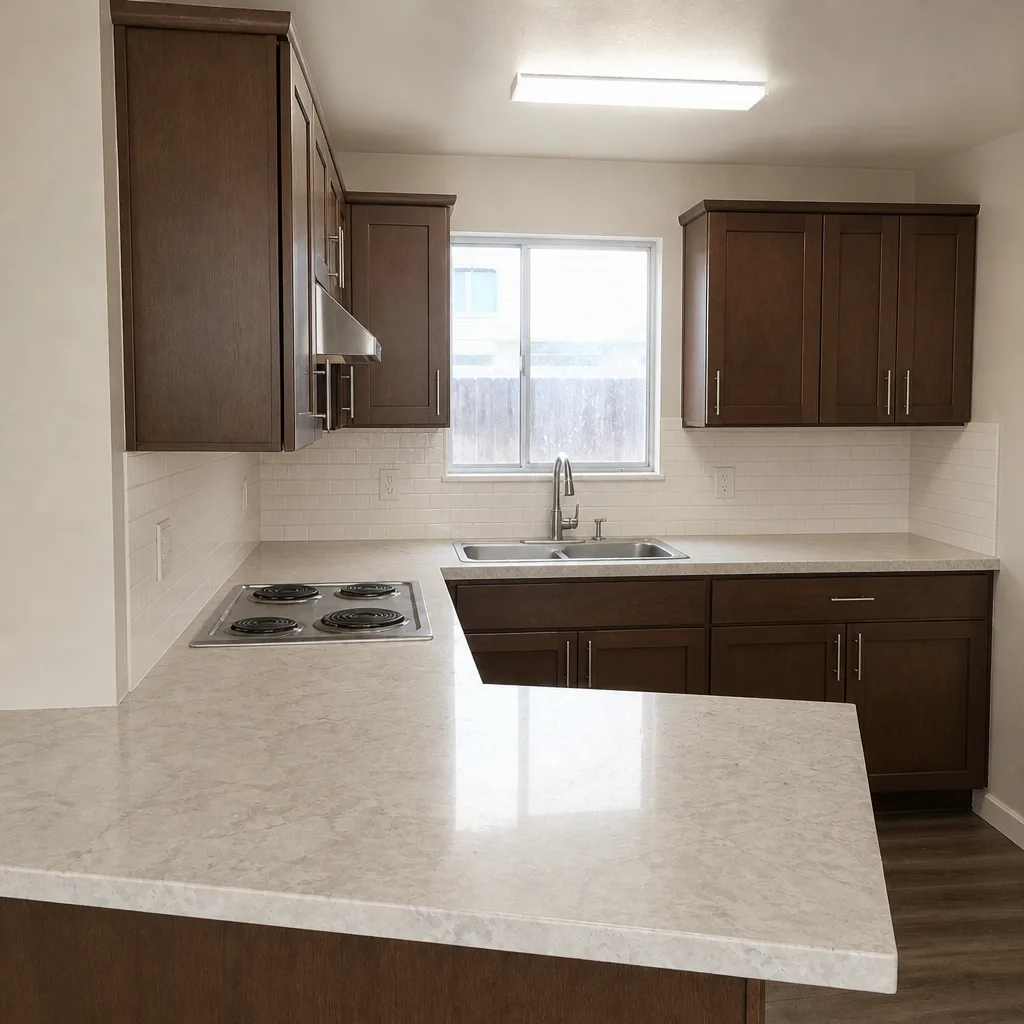
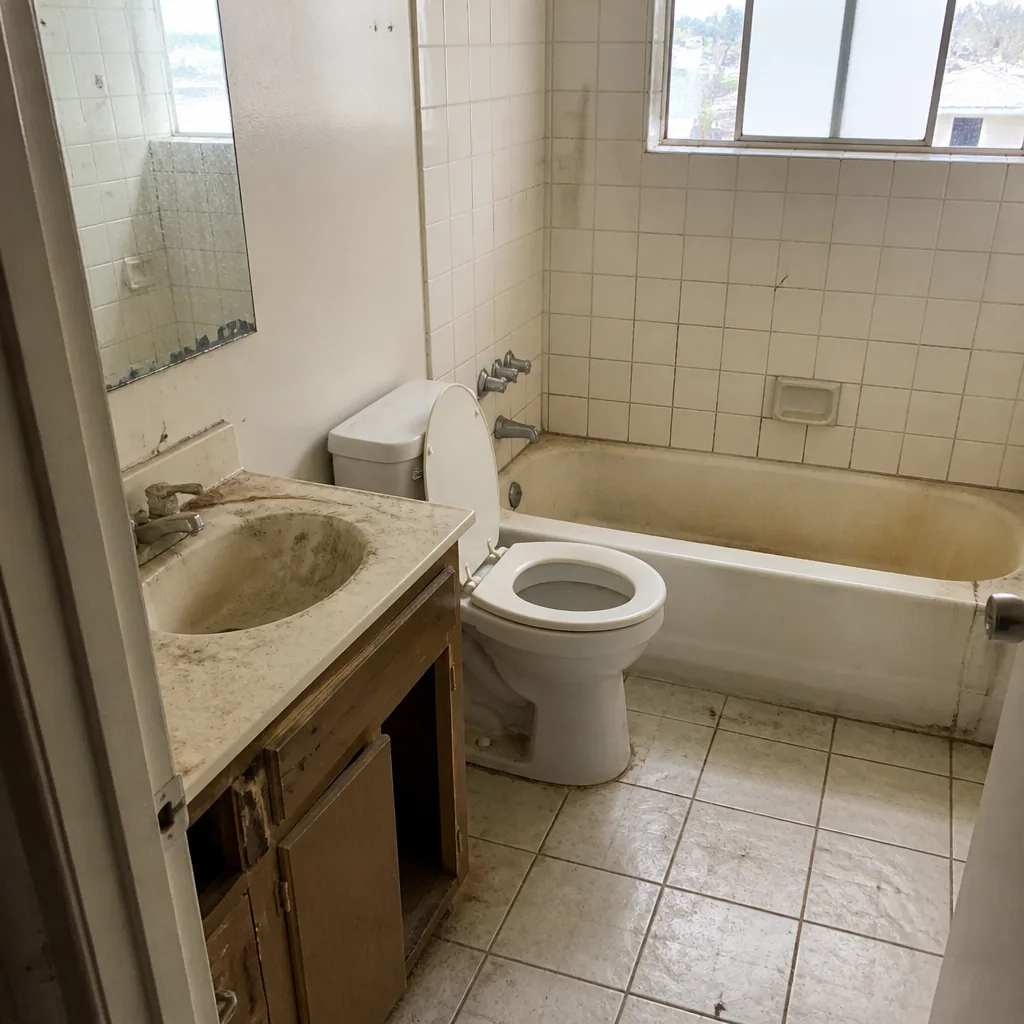
See the difference
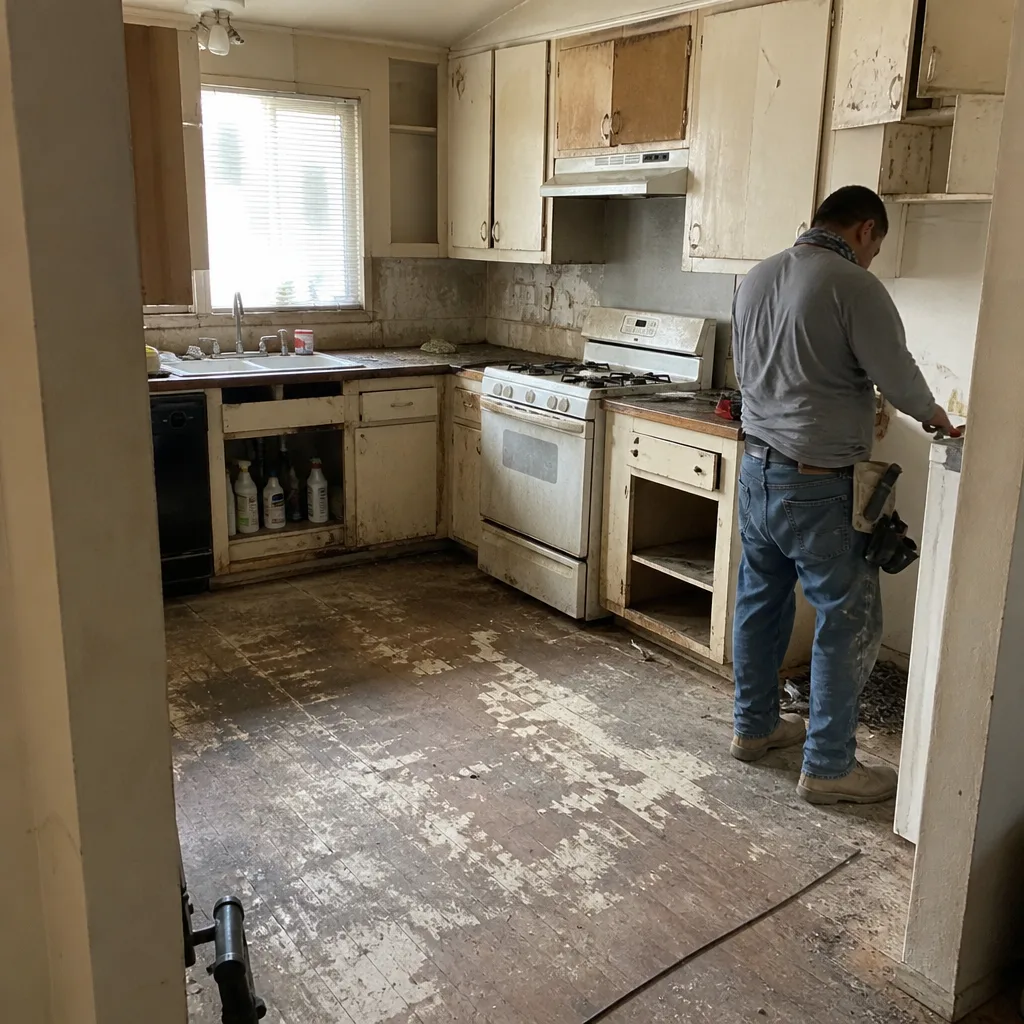 Before
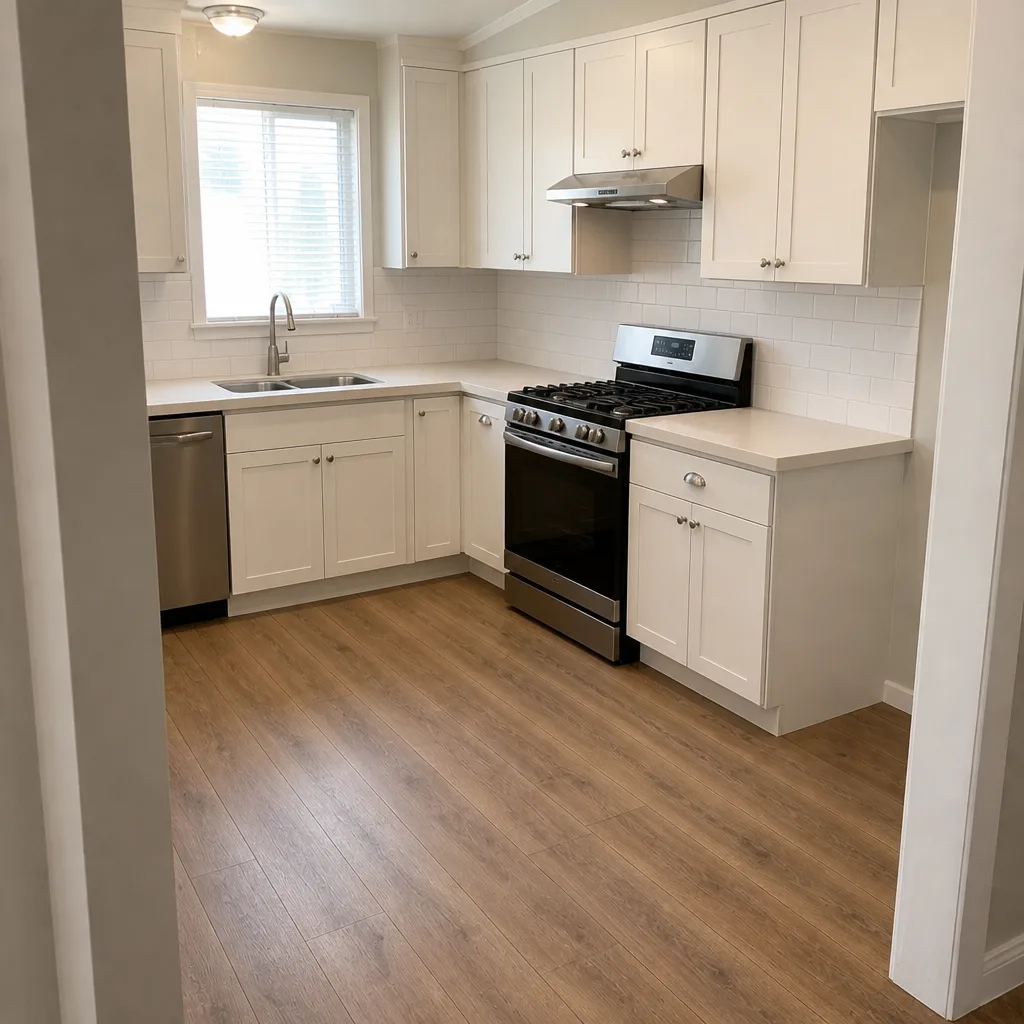 After
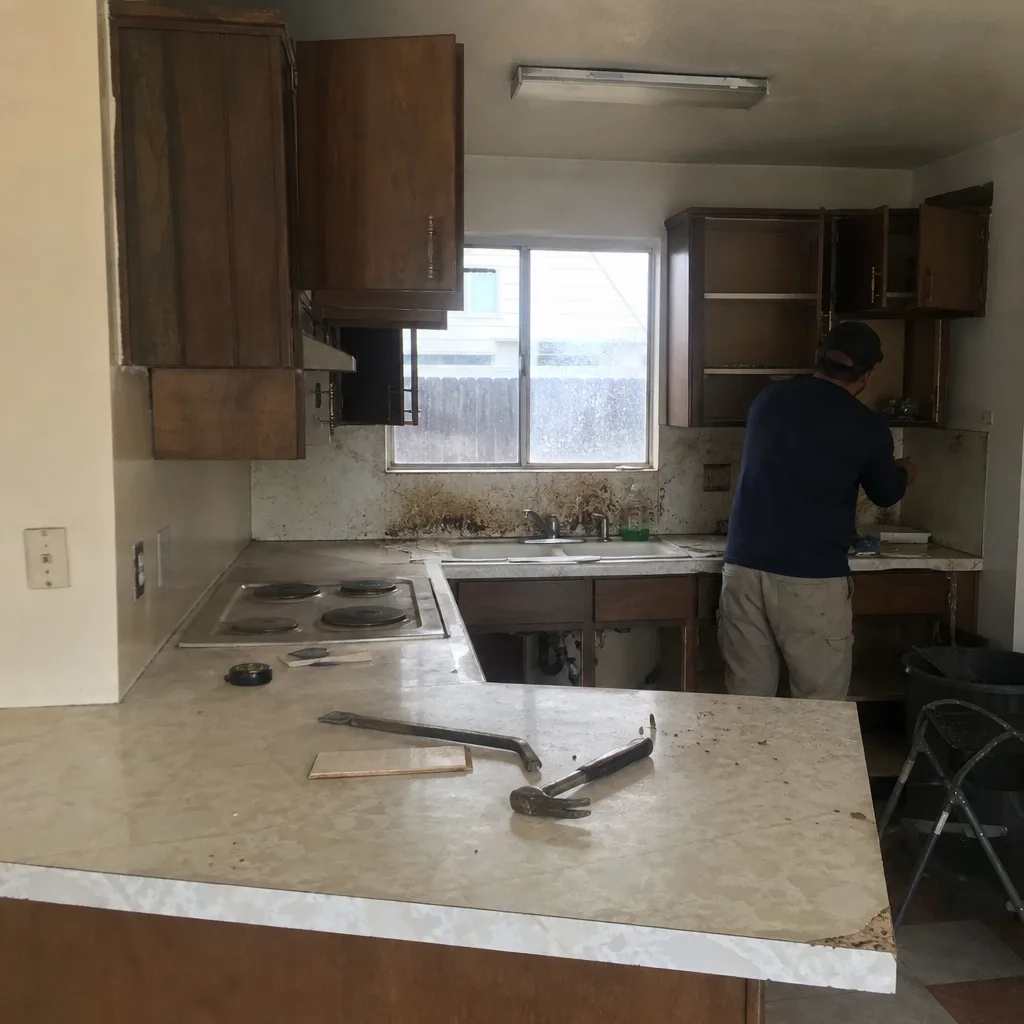 Before
 After
 Before
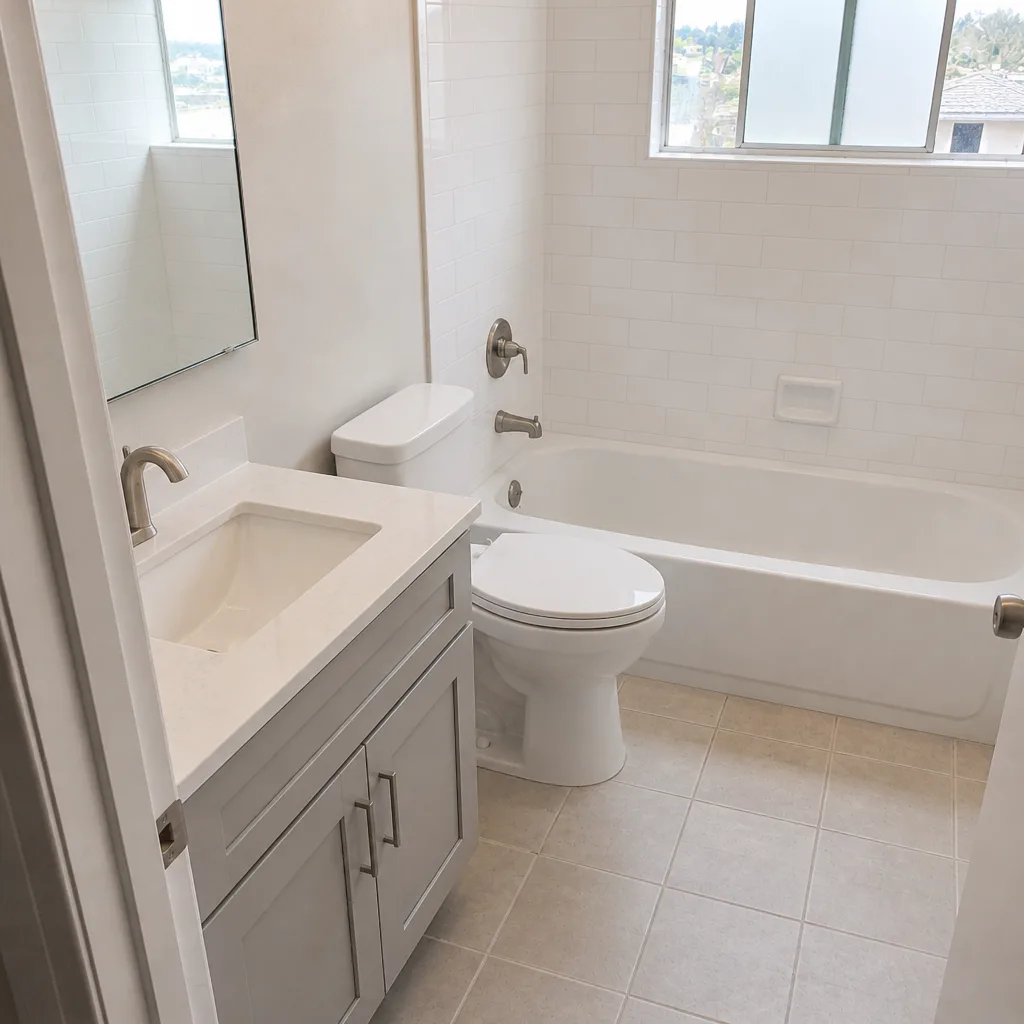 After
Frequently Asked Questions
A crack is serious if it forms a pattern (diagonal from a door corner, or stair-stepped along masonry) or if it appears or widens after the first heavy rains in late fall. Hairline vertical cracks that don’t change are usually cosmetic. If you’re unsure, call (866) 811-9694 – estimates are free and we’ll tell you whether the sign needs an engineer.
Because the clay soil under much of Antioch swells as the winter rains arrive. That expansion pushes on foundations and shows up as cracks in the weeks after the first wet storms. A crack that appears on that timing is telling you it’s tied to soil movement, not to drywall settling, which is why November is the most diagnostic month for this kind of sign.
Call a contractor first for surface problems – a roof, a window seal, a slab edge, a single crack. Call a structural or geotechnical engineer first if you see pattern cracks across multiple floors, binding doors in more than one room, or measurable movement in a retaining wall or foundation over one season. If the engineer diagnoses the cause, the contractor repairs the fix.
An active stain has a sharp, dark outer ring that grows and a texture change in the drywall underneath. An old stain has soft edges and no texture change. In Antioch, watch the stain through one wet season before deciding it’s closed, because dry summers can dry out an active leak enough to look resolved.
Check the windward slope first for lifted shingle tabs, then the ridge cap for slipped or gapped pieces, then flashing around chimneys and vents for pull-back at the edges. Those are the three places wind catches a roof first. Call (866) 811-9694 for a free estimate if you find any of them – estimates are free.
No. The written estimate sets the final price for the scope it describes. If a warning sign turns out to involve something outside that scope during the work, we tell you before proceeding, not after. Call (866) 811-9694 to schedule a free estimate and get the scope and price in writing.
The Bottom Line
Most construction warning signs in an Antioch home are benign, and the skill is separating the ones that are from the ones that aren’t. The signs that matter have a pattern, a repeat, or a seasonal habit: diagonal cracks that show up after the first rains, doors that bind across rooms, patio slabs that separate at an angle, retaining walls that lean, and shingle tabs lifting on the windward slope. The signs that don’t have any of those traits can usually wait. When a sign clears that bar, the question becomes which professional to call: a contractor for surface problems, an engineer for foundation questions. Getting that order right saves both time and money. Our technicians have up to 13 years of experience reading these patterns in the field, and the free estimate is where most homeowners start.
Contact
If a warning sign on your home has you wondering whether it’s cosmetic or something more, call (866) 811-9694 for a free estimate. We answer 24/7. Fast dispatch from 7am to 7pm, Sunday through Friday. Our written estimates are line-item, fixed for the scope, and we walk through the diagnosis before recommending work. From the roof to the driveway, one contractor covers every project.
Written by the team at Construction Antioch.