
Last updated November 17, 2026
 Home additions & ADU
 Kitchen remodeling
 Bathroom remodeling
 Roofing
 Windows & doors
 Driveway & pavers
 Fence
Free written scope consultation - allowances, timeline, and change-order rules on paper before a single trade is scheduled
Construction Cost Breakdown: The Antioch Homeowner’s Reference for 2026
A kitchen remodel budgeted at $45,000 from a national cost-average website will run $58,000 to $72,000 in Antioch in 2026. That gap doesn’t come from contractors padding margins. It comes from three things the big platforms never capture: East Bay labor rates, Antioch’s own permit and plan-check fees, and the delivery economics of building inland. Homeowners who plan from national averages end up value-engineering a project halfway through, which is the most expensive way to build. This reference lays out real Antioch ranges by project type, the line items people consistently underbudget, and how to tell a scope-based estimate from a square-foot guess.
Quick Answer
Construction costs in Antioch in 2026 generally run $8,500 to $22,000 for a bathroom remodel, $58,000 to $72,000 for a mid-range kitchen, and $95,000 to $180,000 for a room addition, with ADUs and full exterior packages priced by scope. The single biggest factor in whether your budget holds isn’t material choice. It’s whether you’re working from a scope-based written estimate or a price-per-square-foot placeholder.
Styles & brands we work with
- Kitchen remodeling
- Bathroom remodeling
- Home additions & ADU
- Roofing
- Windows & doors
- Driveway & pavers
- Fence
Table of Contents
- What does each project type cost in Antioch in 2026?
- The three line items Antioch homeowners consistently underbudget
- How material tier selection changes the total
- Why inland location adds a delivery premium over Oakland and Walnut Creek
- Price per square foot vs. scope-based estimate
- How Antioch permits, plan check, and inspections shape the schedule
- How to phase projects when the whole property needs work
- What the brands behind the numbers actually tell you
What does each project type cost in Antioch in 2026?
A bathroom remodel in Antioch averages $8,500 to $22,000 in 2026, a mid-range kitchen lands at $58,000 to $72,000, and a room addition runs $95,000 to $180,000 depending on foundation work and finish level. These are typical ranges for the local market, not fixed prices. Every project gets a written line-item estimate, and that estimate is what sets the final number.
Here’s how the ranges break down by project type:
| Project type | Typical Antioch range (2026) | What drives the spread |
|---|---|---|
| Bathroom remodel | $8,500 – $22,000 | Tile vs. acrylic surrounds, fixture tier, whether plumbing moves |
| Kitchen remodel | $58,000 – $72,000 | Cabinet line, countertop material, layout changes, appliance tier |
| Room addition | $95,000 – $180,000 | Foundation type, roof tie-in complexity, window and door package |
| ADU (attached or detached) | Site-specific, quoted by scope | Utility trenching, prefab vs. stick-built, site access |
| Full exterior (roof, windows, fence, driveway) | Quoted by combined scope | Roof geometry, window count, linear feet of fence and hardscape |
| Driveway and hardscape | Quoted by square footage and base prep | Demo, base depth, paver tier, drainage |
Notice the bottom three rows don’t carry a single number. That’s deliberate. ADUs, whole-exterior packages, and hardscape depend too heavily on your specific lot, access, and existing conditions to price honestly from a table. Anyone who quotes an ADU from a square-foot figure without walking your property is guessing, and you’ll pay for the guess later.
The kitchen range deserves a note. $58,000 to $72,000 assumes a mid-range remodel that keeps the existing footprint, upgrades cabinets and countertops, and refreshes lighting and flooring. Move a wall, relocate the gas line, or chase a structural beam, and you’re outside that band. Read more about what moves the number on our Construction Antioch page covering full-scope residential work.
The three line items Antioch homeowners consistently underbudget
Permit and plan-check fees, temporary utility costs during construction, and landscaping restoration after foundation or trenching work are the three items Antioch homeowners most often leave out of the budget. Together they can add meaningful thousands to a project that was planned without them, and none of them appear in the square-foot estimates homeowners pull from national sites.
Here’s what each one involves:
- Permit and plan-check fees. Antioch’s fee schedule is set by the city and scales with project valuation. A kitchen that keeps its footprint and a room addition that adds conditioned square footage are priced very differently. Plan check is a separate step, and if the plans come back with corrections, a resubmittal can carry its own fee. Budget for both the permit and the possibility of a second pass on plan review. Ask the city’s building department for the current fee schedule before your estimate is finalized.
- Temporary utility costs. During a kitchen remodel, your family still eats. During a bathroom remodel, you still need a working shower somewhere. Temporary power and water connections, a construction meter, or short-term housing during a period when the house isn’t livable all cost money. Usually it’s small; occasionally it’s the difference between finishing on budget and not.
- Landscaping restoration. Foundation work, sewer line replacement, and utility trenching tear up ground. Replacement of sod, irrigation lines, and plantings isn’t glamorous, and it’s easy to forget when you’re looking at a beautiful new addition on paper.
Ask any contractor to break these three out as line items in the proposal. If they can’t or won’t, that’s a signal the estimate is a placeholder. A written line-item quote with fixed pricing and no change orders should be your baseline expectation.
How material tier selection changes the total
Material tier affects project totals very differently depending on the project. In kitchens and bathrooms, finishes dominate the spread. In roofing and fencing, labor and material are more closely balanced. And in additions, structural materials barely move with tier while finishes swing widely.
Consider the way material choice plays out by trade:
- Kitchens. Cabinet line is the single largest lever. A premium line like KraftMaid sits far from a builder-grade option, and the difference can exceed the entire countertop budget. Countertops matter too: Cambria, Silestone, and Caesarstone sit at the premium engineered-stone end, and quartz at multiple price points lets a homeowner choose based on priorities rather than availability. When the cabinet, countertop, and appliance tiers are set independently, the final kitchen is genuinely yours, not a package you were sold.
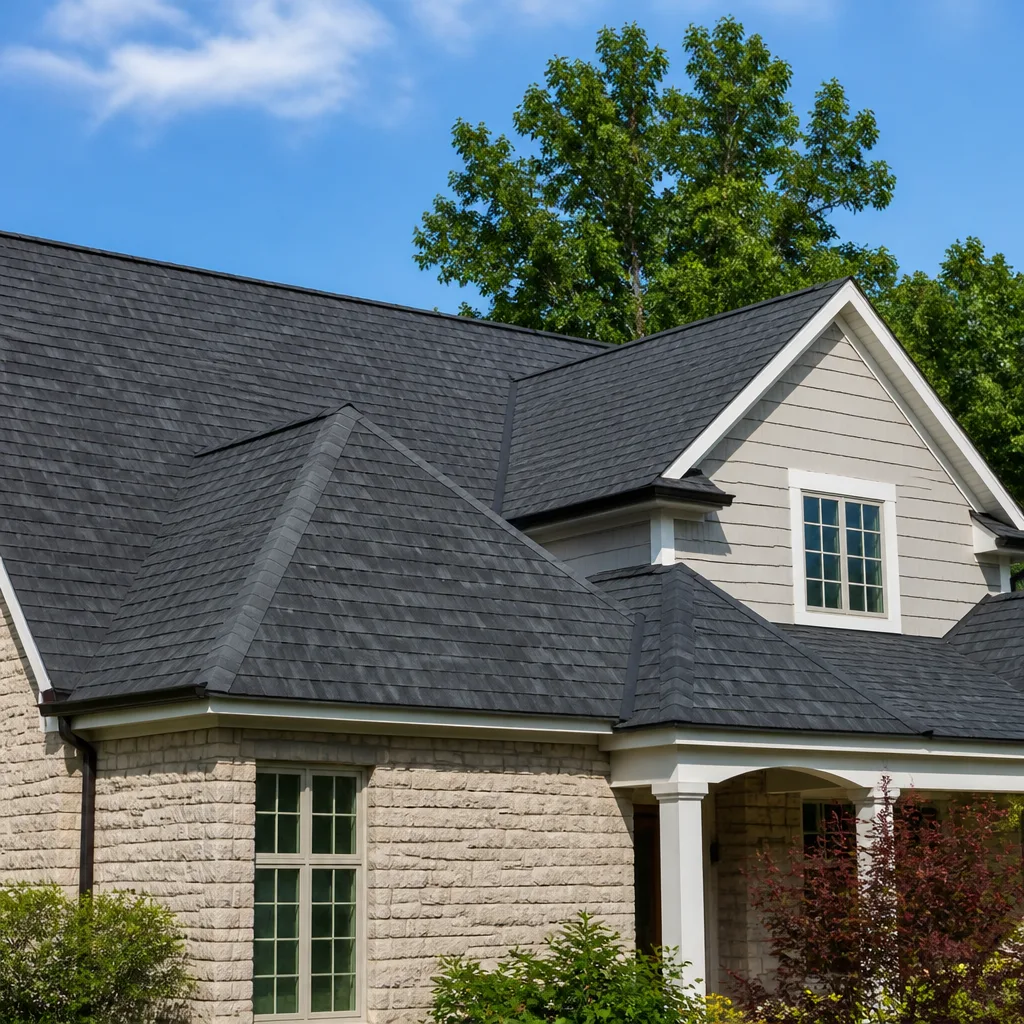
- Roofing. Shingle manufacturers like GAF, CertainTeed, Owens Corning, IKO, Atlas, and Tamko all sit within reachable tiers, and Boral handles specialty profiles where that’s the right call. The difference between tiers usually shows in warranty terms and wind ratings, not in whether the roof works. Every roof on a residential structure in Antioch should be installed with the manufacturer’s rated system: underlayment, flashing, and accessories together.
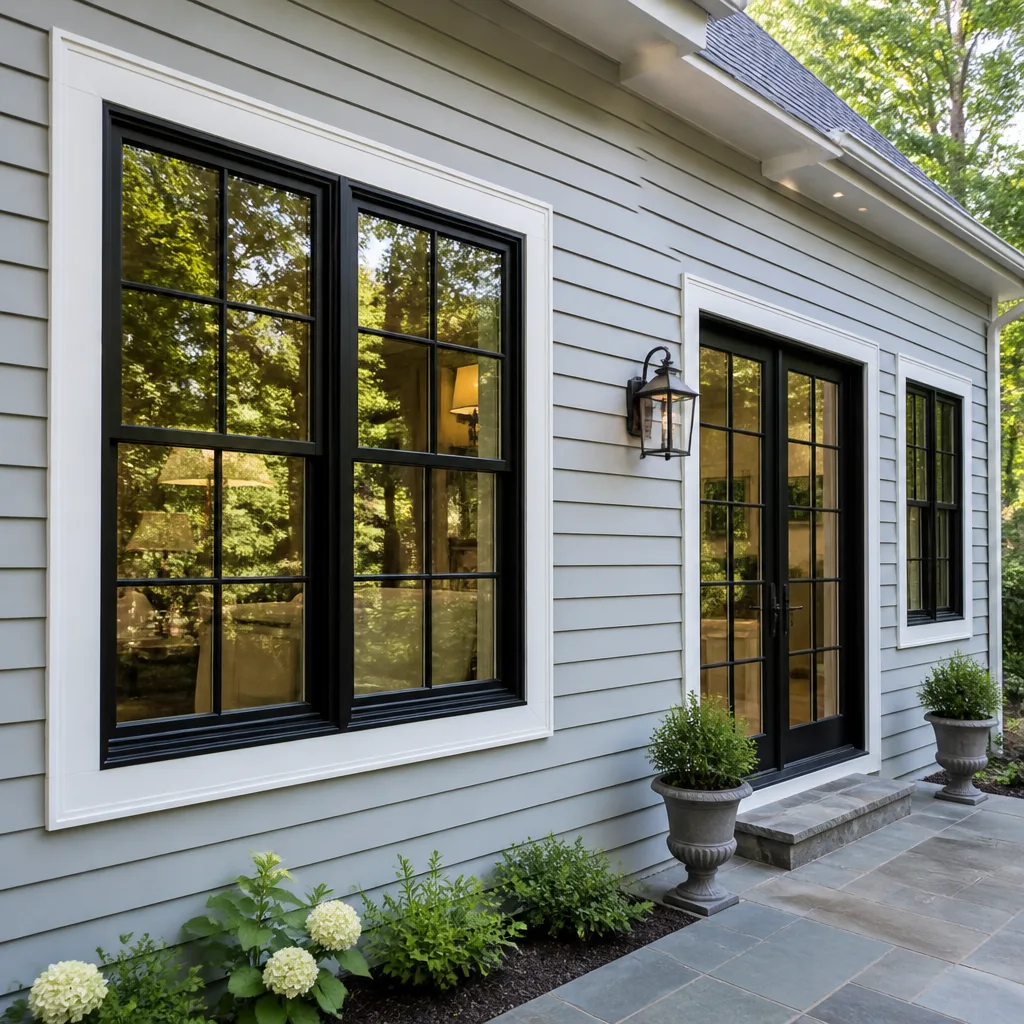
- Windows and doors. Tier choice drives performance more here than almost anywhere else in the house. Energy-efficient glass, frame material, and hardware all move the total. A mixed package with Therma-Tru doors and matching window tiers often lands in the same band as a single-line spec. These windows and doors are the ones a homeowner will actually touch every day, and the quality is visible on the first cold morning.
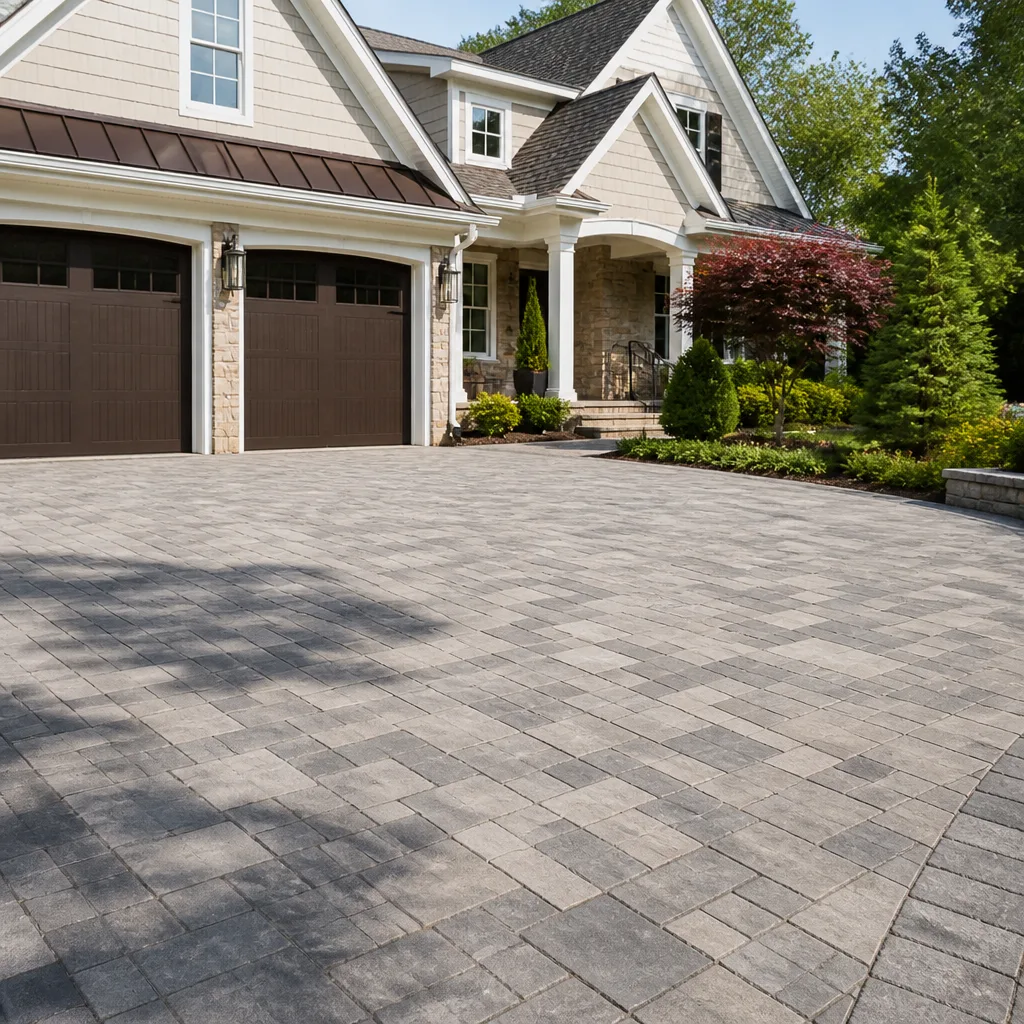
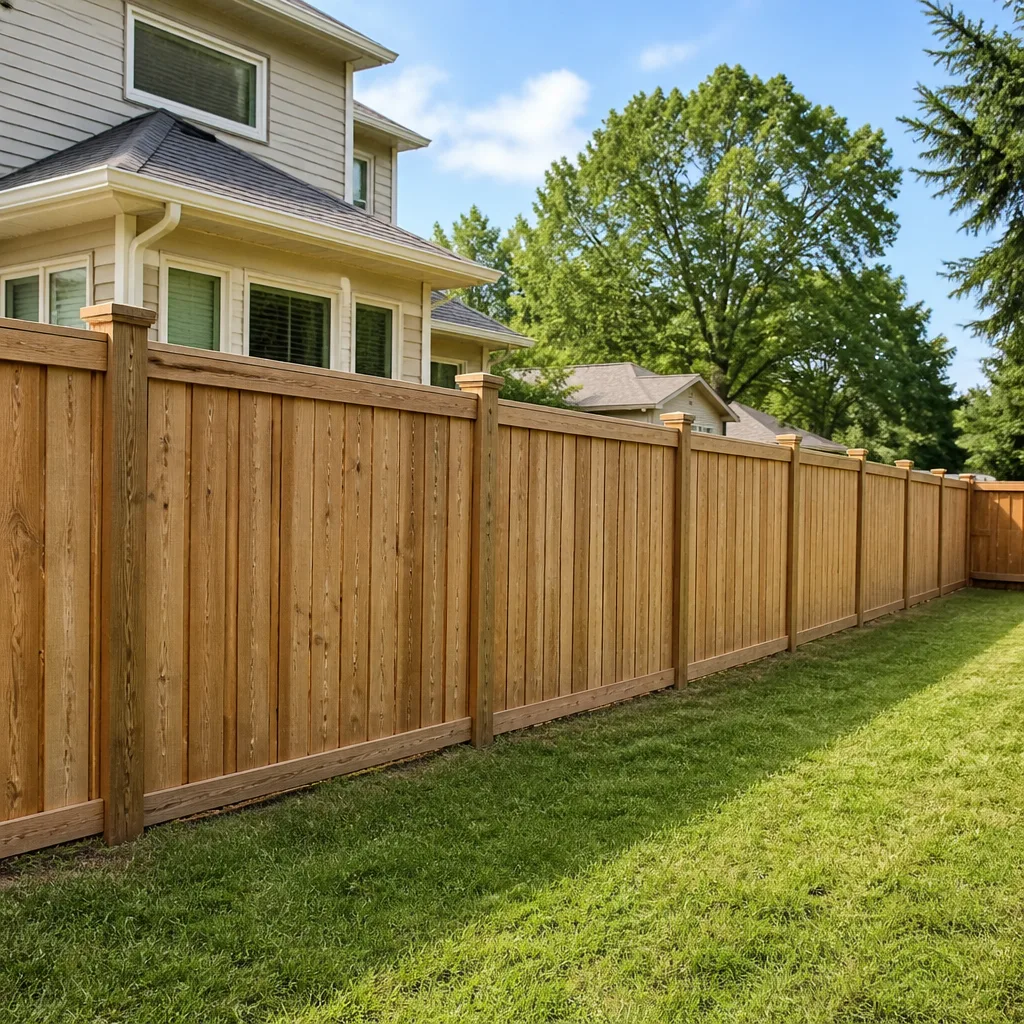
- Pavers, fence, and exterior. Brand range here matters for longevity. Techo-Bloc, Belgard, and Unilock at the hardscape level; Master Halco and Jerith for fencing. Exterior choices are the ones that address curb appeal and durability together, and material tier selection is often the homeowner-driven process rather than a contractor decision.
The real point isn’t which brand is best. It’s that tier selection is a homeowner decision, and the estimate should reflect it. If a contractor can’t show you options across a real range of manufacturers, the “choice” you get is whatever’s already loaded on their supplier account.
Why inland location adds a delivery premium over Oakland and Walnut Creek
Delivery and material logistics cost more in Antioch than they do in Oakland or Walnut Creek, because most building-material supply warehouses sit closer to the bay. That gap is usually modest per delivery, but on a project with dozens of drop-offs across framing, roofing, cabinets, hardscape, and finish materials, it produces a real line item that homeowners planning from national averages never see coming.
The premium is compounded by a few specific things:
- Distance from distribution. Suppliers based in the inner East Bay have a longer run to Antioch. That distance shows up in freight, in delivery minimums, and in how often partial loads get consolidated onto a single truck. When deliveries can’t be combined, the number of trips goes up.
- Material lead time from the manufacturer. Cabinets, custom windows, and specialty doors are almost always shipping from out of state. Long-haul freight gets priced from the manufacturer’s origin, which means the drop location is what changes the cost, not the product itself.
- Consolidation opportunities. A project that installs pavers, fence, and roofing in one coordinated sequence can sometimes consolidate deliveries. A project that hires three separate contractors for those three scopes almost never can. One contractor running multiple trades is the cheapest way to buy materials inland.
Don’t treat this premium as a reason to skip local suppliers. It’s a reason to plan the sequence well. Ask any bid to break out delivery assumptions, and get comfortable with the idea that the cheapest per-unit price may not be the cheapest delivered total.
Price per square foot vs. scope-based estimate
A price-per-square-foot budget is a placeholder. A scope-based estimate is a plan. The former tells you what a type of project usually costs somewhere; the latter tells you what your project will cost here, based on a walkthrough, a written line-item breakdown, and a locked price. The single biggest cause of project failure we see is a homeowner treating the first as if it were the second.
A scope-based estimate starts with a walkthrough and ends with a fixed price. Here’s how that process usually runs:
- Site walk and measurements. Existing conditions get documented before numbers are attached to anything. A room addition gets its soil, access, and utility locations checked. A kitchen gets its cabinet footprint and plumbing runs checked.
- Scope definition. Every trade is scoped: roofing, framing, plumbing, electrical, finishes, exterior work. Every scope is either on the sheet or explicitly excluded.
- Material selection with line-item pricing. Brands and tiers are chosen before the number is finalized. Cabinets, countertops, fixtures, windows, and doors are priced at the manufacturer and model level.
- Permit and plan-check line items. Both appear in the written estimate, not in a catch-all “allowances” column.
- Written, fixed-price estimate. The final number includes labor, materials, permits, and delivery. Fixed pricing with no change orders means the price you sign is the price you pay, unless you change scope in writing.
Where square-foot estimates fail is at the transitions between trades. A $/sq.ft. number doesn’t know whether your foundation needs underpinning, whether a plumbing stack has to move, or whether the delivery premium from three separate suppliers will be stacked on top of each other. A scope-based estimate prices those in advance, and it’s the only kind of estimate we’ll put in writing.
How Antioch permits, plan check, and inspections shape the schedule
Permits and inspections affect both cost and calendar in Antioch. Structural work, additions, ADUs, and anything touching electrical, plumbing, or gas needs a permit before work begins. The city sets the fee schedule and the inspection sequence, and that sequence drives when each trade can start.
The practical schedule shape looks like this:
- Plan check typically precedes permit issuance. Corrections during plan review add time, and sometimes add a resubmittal fee.
- Rough-in inspections for framing, plumbing, and electrical happen before walls close up. Missing one means reopening the walls.
- Final inspections happen after finishes. Projects pass final inspection when the documentation and the execution both line up.
- ADUs and additions have the longest inspection sequence because they combine structural, utility, and occupancy steps.
Ask us in advance whether your project needs a permit; ask the city’s building department for the current fee schedule. The one thing we can confirm: every permitted project is pulled under the correct trade and inspected before we sign off. Passing inspection is a matter of doing the work in sequence, not a matter of luck.
Home additions and ADUs carry the most permit complexity, and our home additions & ADU service covers the full sequence. If you’re in a smaller scope with pavers or fencing, our driveway & pavers and fence installation pages walk through what those projects look like from the start of work to the final walkthrough.
How to phase projects when the whole property needs work
When a homeowner walks the property and sees five projects instead of one, phasing is the right answer. Construction Antioch handles the whole property across seven trade categories (roofing, kitchens, bathrooms, windows and doors, fencing, pavers, and additions or ADUs) under one contractor, which means phasing is a scheduling decision rather than a renegotiation with a new contractor each time.
Sensible phasing looks like this:
- Shell first. Roofing and windows come first. They protect everything inside the rest of the plan. Get the envelope right and stop water intrusion before finish work starts.
- Additions and ADUs second. Structural work runs while the envelope is stable. Foundation and trenching will disturb ground, and that’s part of the plan.
- Interior remodel third. Kitchens and bathrooms happen after the structure around them is settled.
- Hardscape and fence last. The driveway, pavers, and fence go in after the heavy trucks are done. Landscaping restoration and fence installation wrap the project at a natural stopping point.
Doing it in this order means no project undoes another. The alternative, doing everything in the “ideal aesthetic order,” usually means doing something twice.
What the brands behind the numbers actually tell you
Brand names in an estimate are a form of transparency. When you know the roof will be installed with Atlas shingles, the countertop will come from Cambria, and the doors will come from Therma-Tru, you can research quality independently instead of trusting a vague claim. That’s the reason we name manufacturers, not because we’re listing them for show, and not because one tier is universally better than another.
Practical brand literacy does three things for a homeowner:
- It exposes substitutions. A scope that names a specific manufacturer gives you a benchmark. If something else shows up on site, you know before it’s installed, not after.
- It lets you compare bids fairly. Two kitchens with different cabinet lines and the same-looking number are not the same kitchen. Naming the cabinets and countertops makes the comparison honest.
- It lets you verify. Call the manufacturer, look up the product line, check the warranty and the specifications. You don’t have to take anyone’s word for it.
The larger point is that a wide material roster, from GAF, CertainTeed, Owens Corning, IKO, Atlas, Tamko, and Boral on the roofing side to Cambria, Silestone, and Caesarstone on countertops, means material selection is driven by your priorities, not by whatever a single source happens to stock. When brand selection is a real choice, the estimate is a real plan.
Common Mistakes to Avoid
- Budgeting from national averages. The $45,000 kitchen you saw on a national website is a national number. East Bay labor, Antioch permit fees, and delivery premiums add real money. Treat any published average as a starting point for your own written estimate, not as a target.
- Price-per-square-foot as a planning tool. Square-foot numbers are fine for a first conversation with a lender. They are not fine as a basis for a bid. Scope-based estimates cost more time upfront and save enormous rework later.
- Forgetting the three underbudgeted line items. Permits, temporary utilities, and landscaping restoration. Add them to the budget early, before a change order adds them later.
- Splitting projects across too many contractors. Five contractors for five projects means five delivery runs, five schedules, and five sets of unknowns. One constructor across the whole property is often the cheapest approach inland, even before comparing per-unit prices.
- Choosing materials by what’s available, not by priority. Cabinsets that a contractor happens to stock will be the least expensive, and sometimes the least right. If quality matters anywhere in the project, research brands and pick
- Ignoring the permit schedule in the budget. A project that starts before the permit is issued, or skips a rough-in inspection, is not faster. It’s often slower and more expensive when the correction has to be made.
- Changing scope after work starts. Change orders cost more than the same change planned from the start. Every decision made before the crew begins saves money.
See the difference
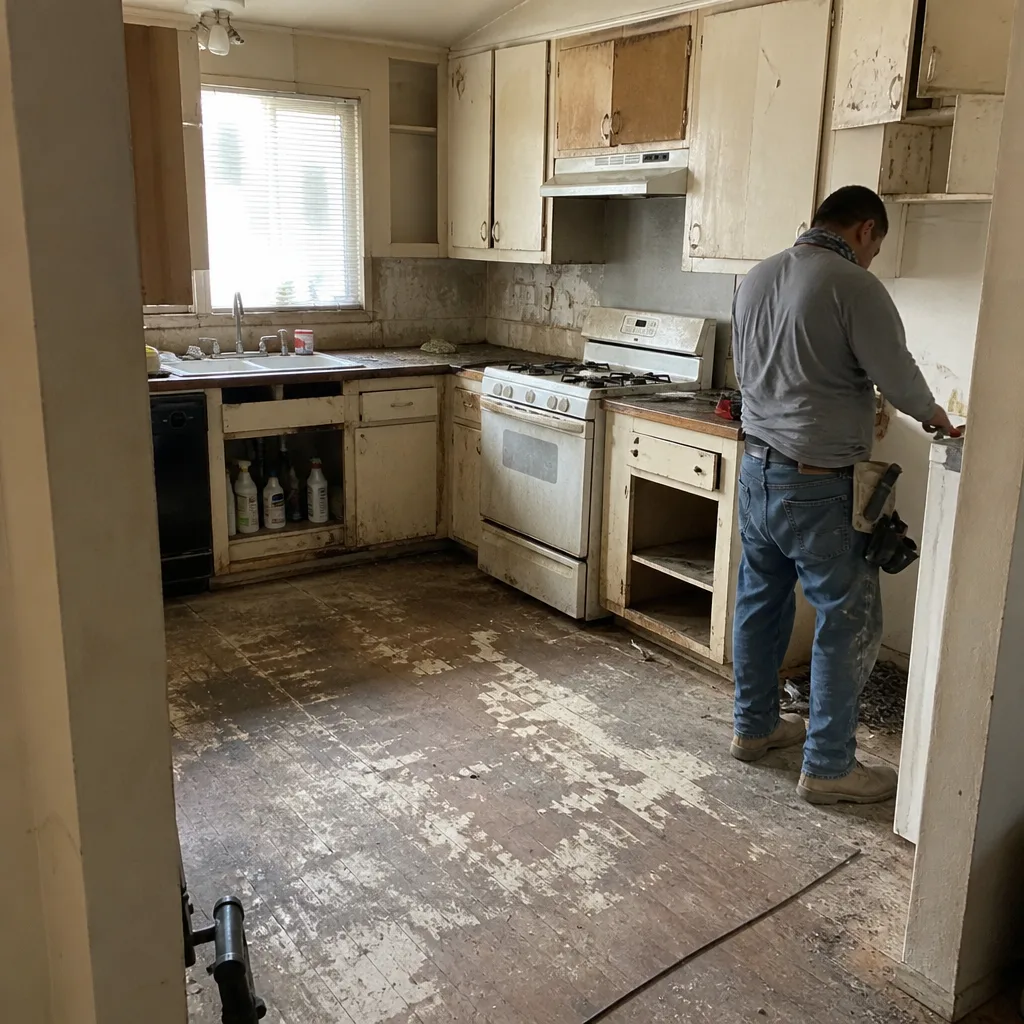 Before
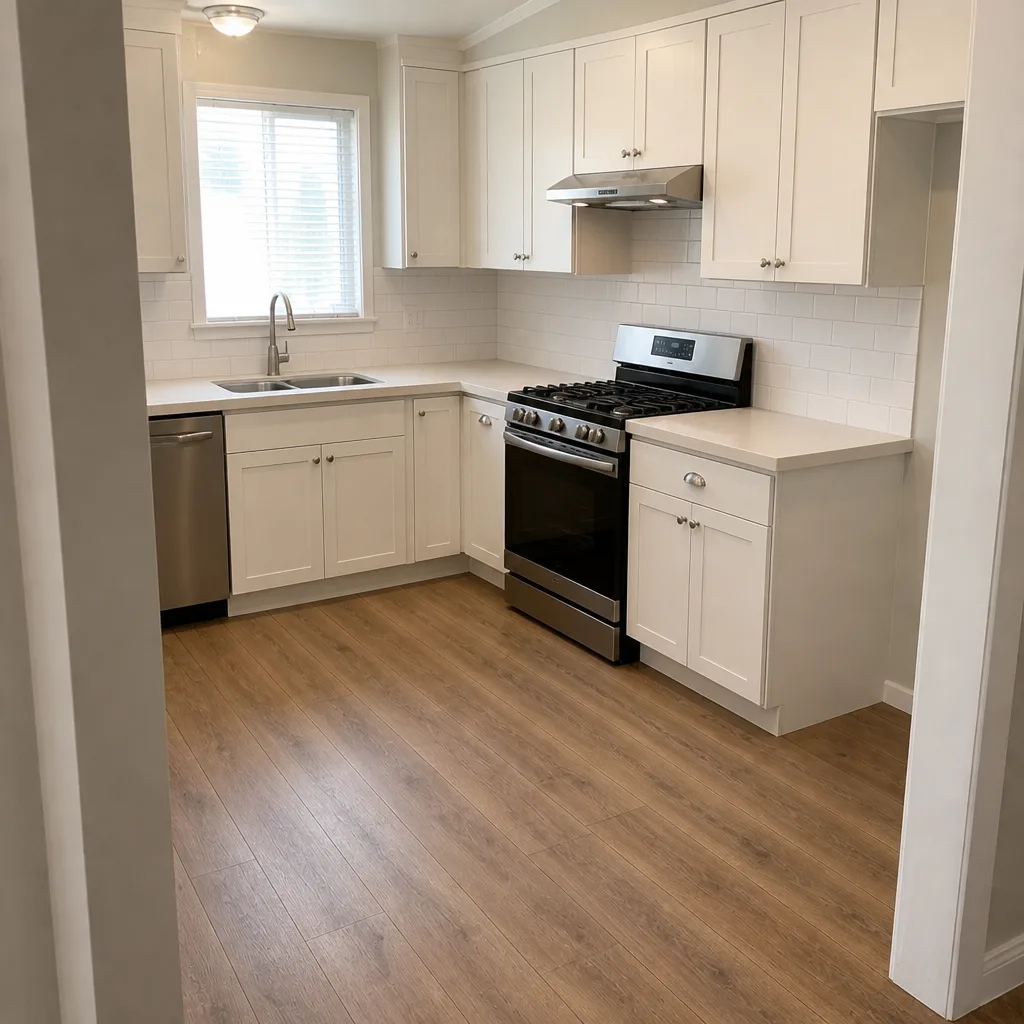 After
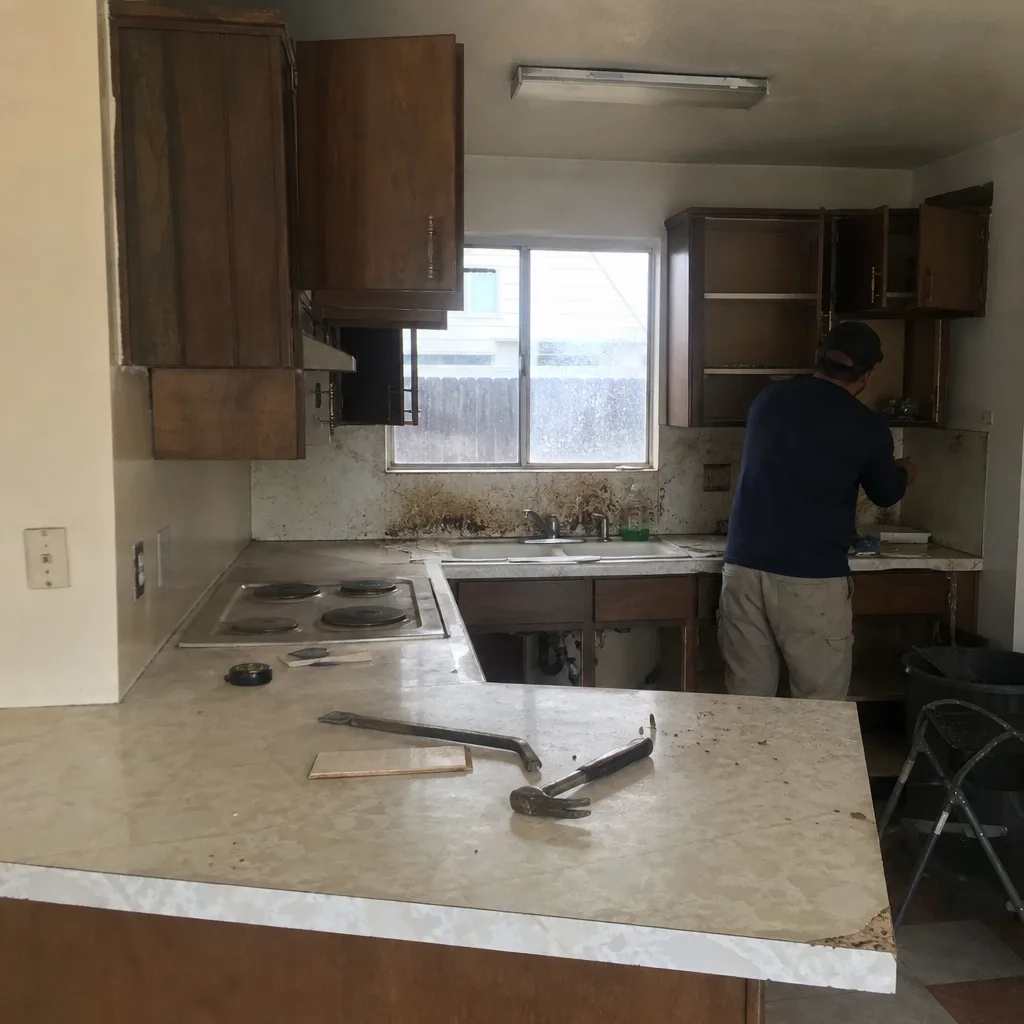 Before
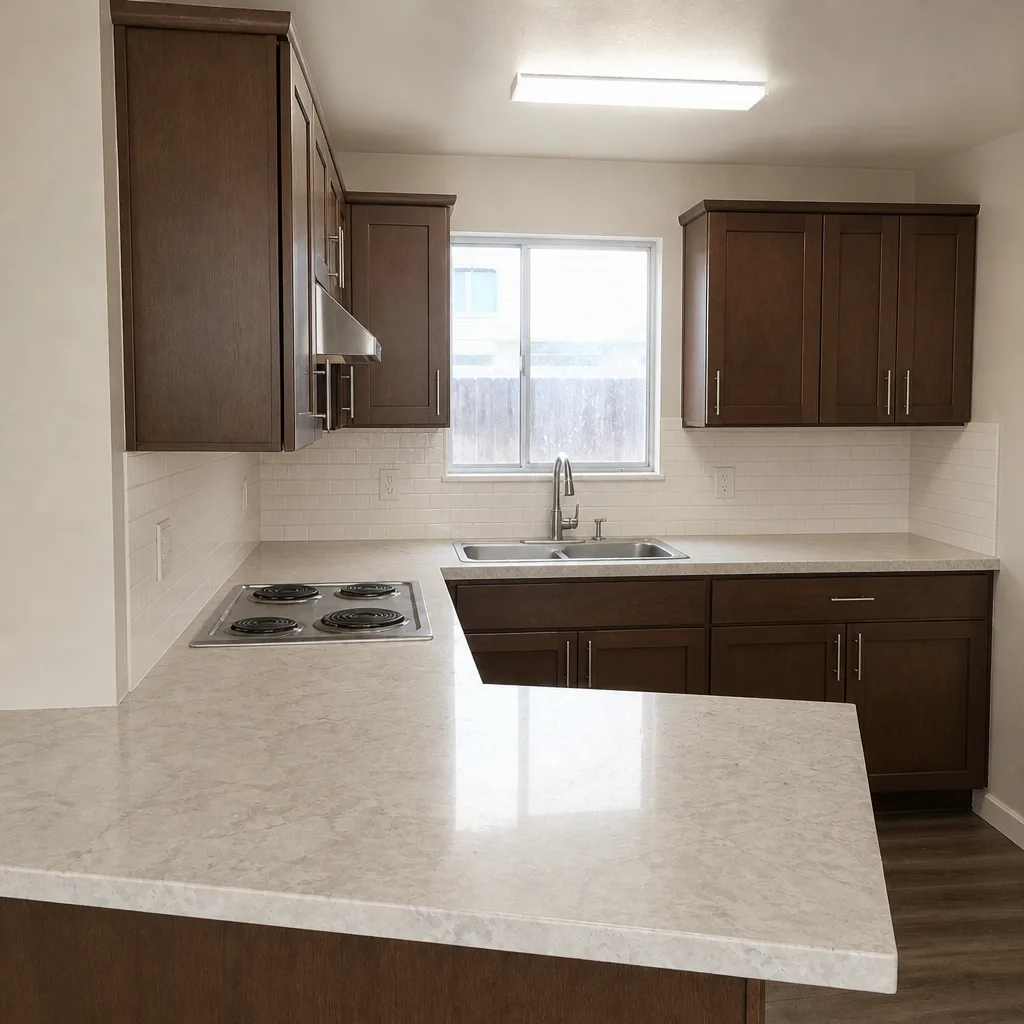 After
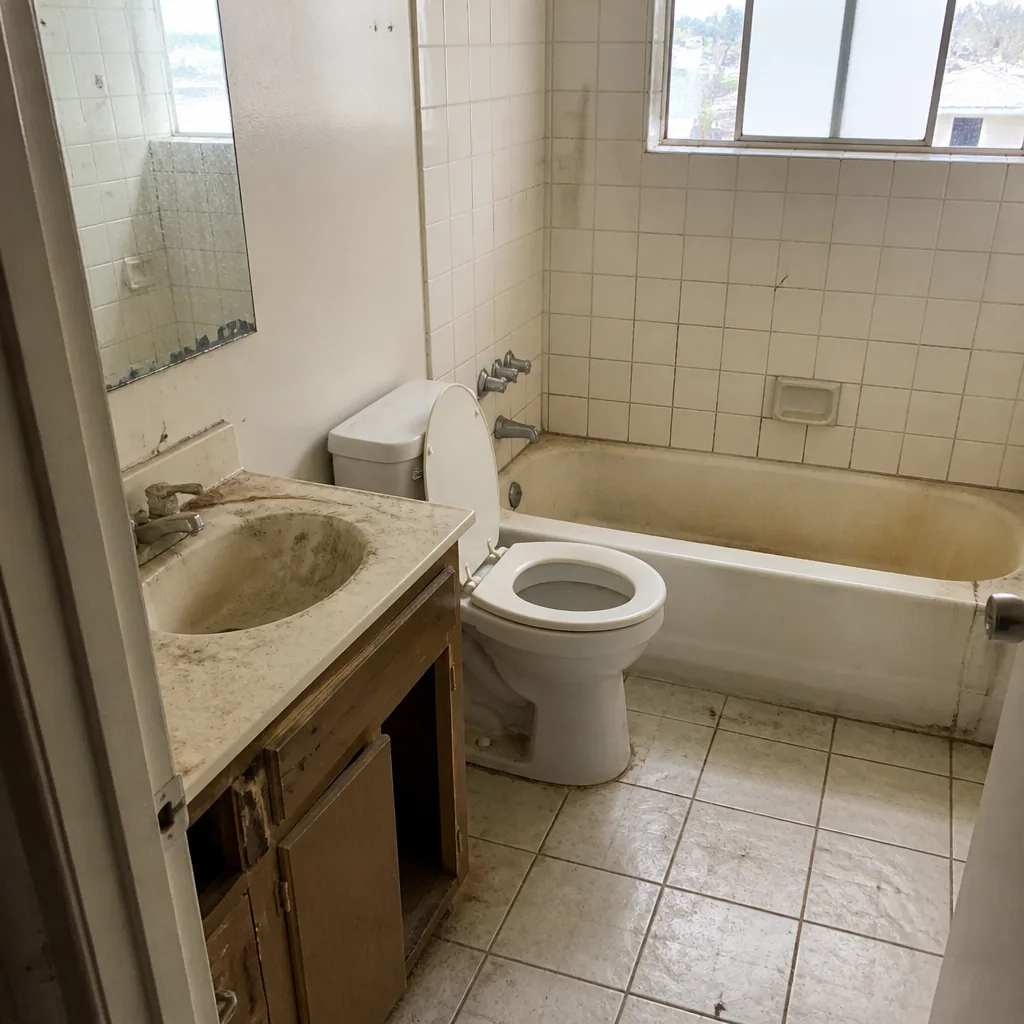 Before
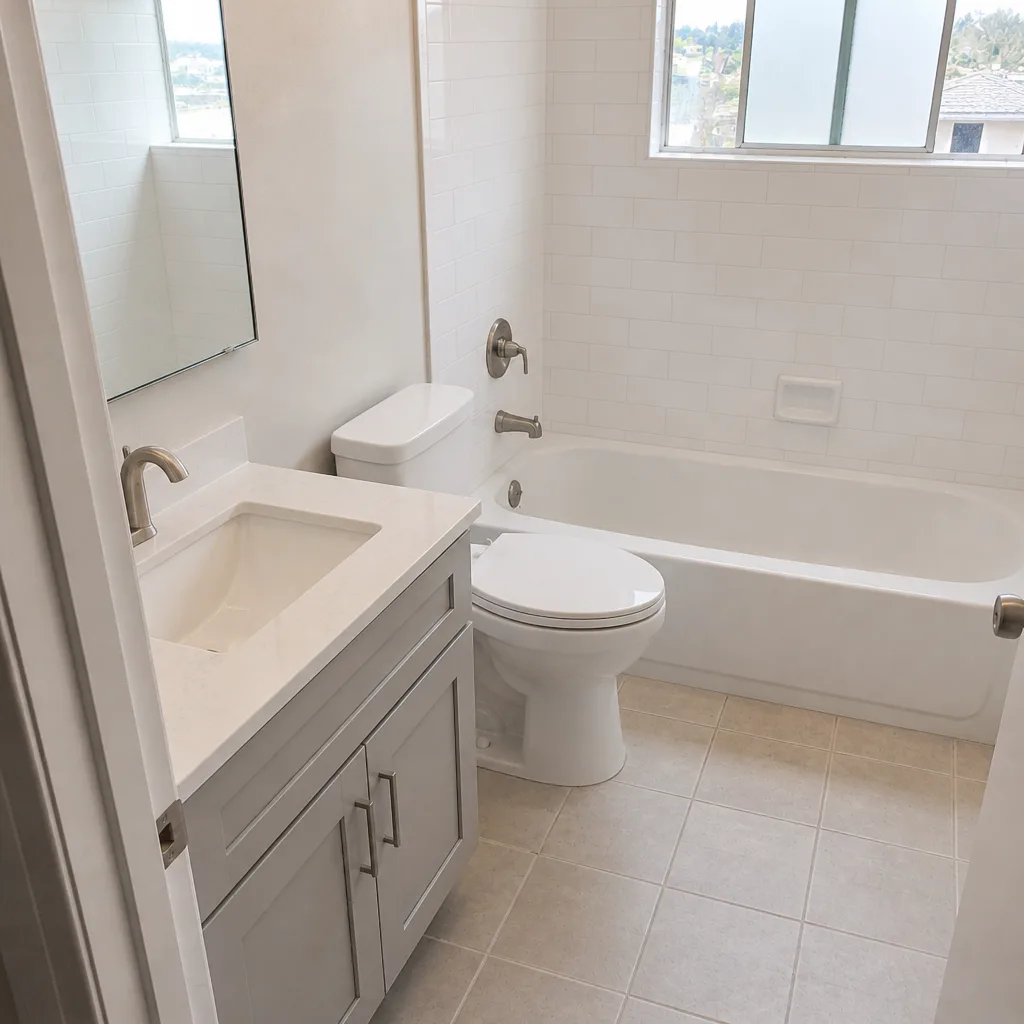 After
When to Call a Professional
Some projects are genuinely homeowner-appropriate, and we respect that. A new light fixture, a fresh coat of paint, a replaced door handle. But there’s a line, and it’s not subtle: anything structural, anything electrical or plumbing done wrong is not a weekend fix. Roofing at height, foundation work, gas lines, panel upgrades, and load-bearing modification all belong with a licensed and insured contractor. The same is true for any project that needs a permit: self-pulled permits are possible in many jurisdictions, but the inspection sequence and trade sequencing still have to be managed by someone who knows the order. If you’re unsure whether your project crosses the line, that’s the moment to have the conversation. Construction Antioch provides free estimates in Antioch. Call (866) 811-9694 to schedule yours.
Frequently Asked Questions
Mid-range kitchen remodels in Antioch typically run $58,000 to $72,000 in 2026, with cabinet line and countertop tier as the largest cost drivers. A footprint-preserving kitchen with KraftMaid cabinets and a Cambria, Silestone, or Caesarstone countertop sits in that band; moving walls or relocating plumbing pushes you beyond it. Call (866) 811-9694 for an exact quote on your scope; estimates are free.
A room addition and a detached ADU are priced on different economics, so they’re not directly comparable. Additions vary in utility complexity; detached ADUs frequently involve separate power and water runs plus their own occupancy inspection sequence. Prefab-integrated options from partners like Abodu, Dvele, and Mighty Buildings change the equation by moving some construction off-site. The honest answer is site-specific, and we’ll price both as written line-item estimates.
Any bathroom remodel that touches plumbing, electrical, or structural framing requires a permit; a cosmetic refresh (paint, fixtures, no relocations) usually does not. Antioch’s building department sets the fee schedule and inspection sequence, so confirm directly with them for your specific scope. If your project involves moving a drain or roughing in a new circuit, it will be permitted and inspected.
Labor rates in the East Bay reflect a tighter residential construction labor pool than most national markets, and inland delivery for material adds a freight premium on top of that. Two projects with identical scope in two states will not cost the same, and the difference isn’t margin: it’s the actual cost of getting the right trades and materials to the site. That’s why national square-foot averages miss by 20 to 30 percent here.
Driveway and hardscape projects are priced by square footage, base preparation depth, and paver tier, so a single number can’t cover it honestly. A driveway on compacted ground with a straightforward base is a different job than one on a sloped lot with drainage, and the paver tier moves the material cost meaningfully. Our driveway & pavers page covers the process; call (866) 811-9694 for a site-specific estimate.
A fixed-price, written line-item estimate doesn’t change once work starts. Change orders only happen if you change scope in writing, and we don’t have hidden allowances that get renegotiated mid-project. Permits are pulled under the correct trade, inspected, and passed before sign-off. If the estimate doesn’t hold, that’s a failure of the estimate, not an inevitability.
The Bottom Line
Antioch construction costs in 2026 sit in a specific band. Bathrooms land at $8,500 to $22,000, mid-range kitchens at $58,000 to $72,000, room additions at $95,000 to $180,000, and ADUs, exterior packages, and hardscapes get priced by scope. The three line items that break budgets (permits and plan check, temporary utilities, landscaping restoration) are counted in a real estimate and missing from a square-foot placeholder. Material tier selection, delivery economics, and inspection sequencing are the other three levers. If you plan from a written line-item estimate rather than a national average, the project finishes closer to the number you accepted. Construction Antioch brings roofing, kitchens, bathrooms, windows and doors, fencing, pavers, and additions and ADUs under one contractor, so the whole property gets planned together. Call (866) 811-9694. We answer 24/7. Fast dispatch from 7am to 7pm, Sunday through Friday.
Written by the team at Construction Antioch.