
Last updated November 17, 2026
 Home additions & ADU
 Kitchen remodeling
 Bathroom remodeling
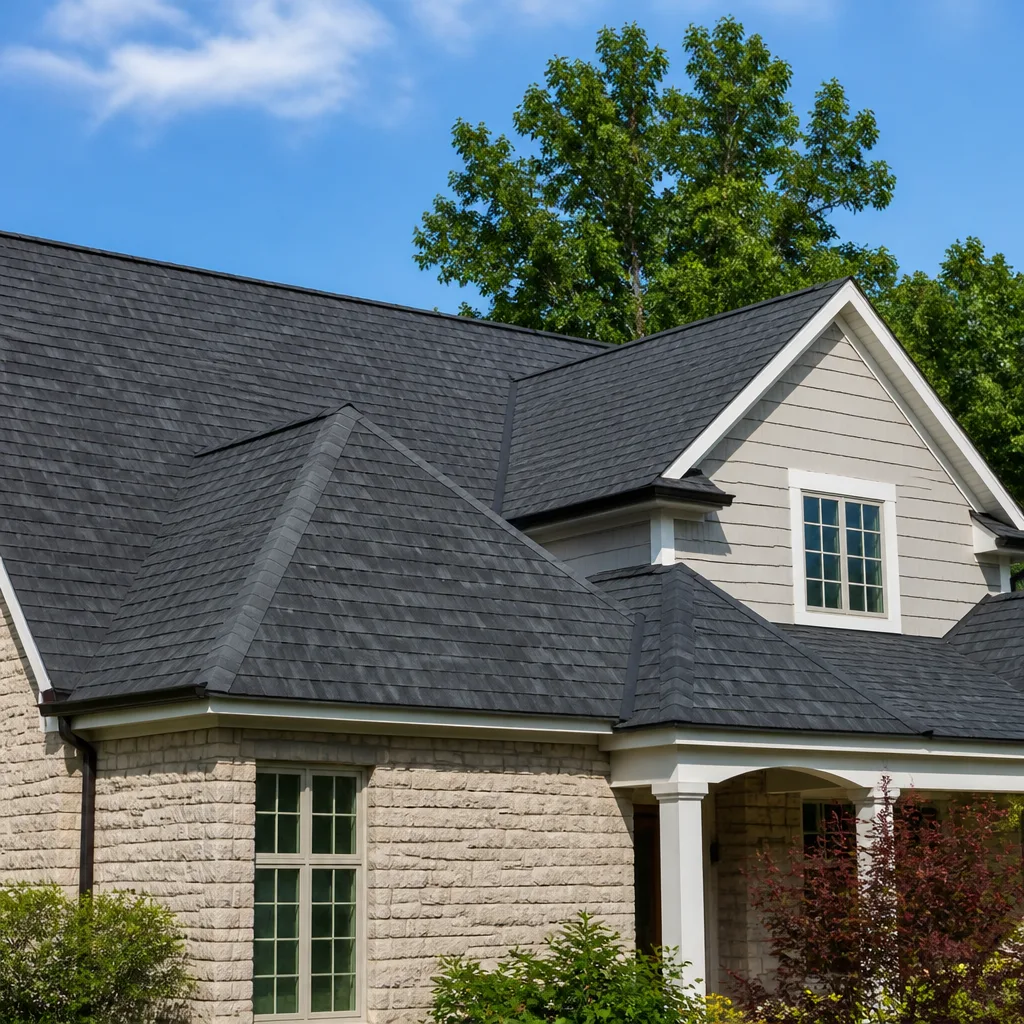 Roofing
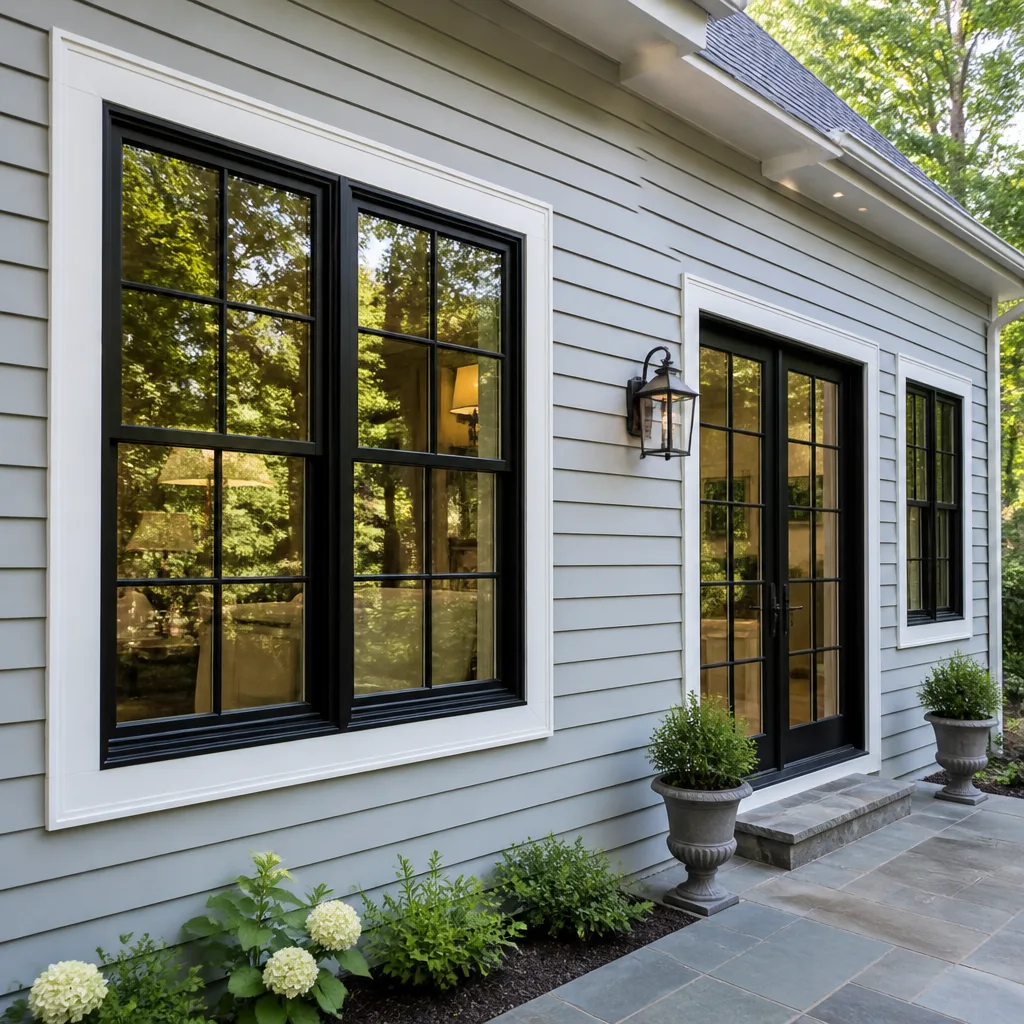 Windows & doors
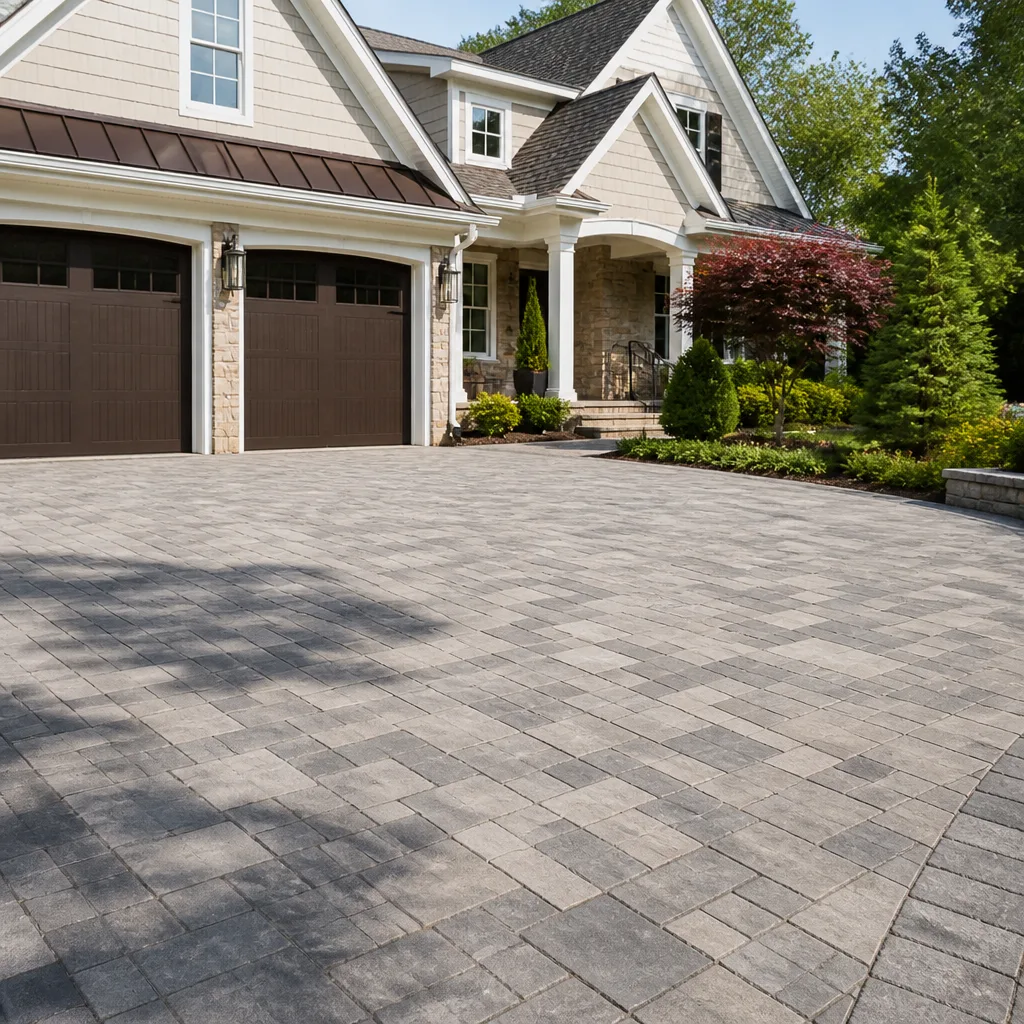 Driveway & pavers
 Fence
Free written scope consultation - allowances, timeline, and change-order rules on paper before a single trade is scheduled
Construction Emergency Preparedness Guide for Antioch Homes
Most emergency prep advice for California homeowners is written as if every zip code carries the same risks. Antioch doesn’t fit that template. This city sits inside Contra Costa County’s wildfire hazard mapping zone and within reach of active fault traces, and parts of its housing stock were built decades before modern seismic bracing became standard. Add clay soils that shift with the seasons and utility infrastructure that has aged alongside the neighborhoods, and you get a risk profile that generic checklists simply miss. In this guide we’ll walk through the home-hardening measures that matter most here, how to build a utility shutoff plan, what to photograph after an event, and how to vet a contractor when there’s no time for normal due diligence. It’s written for Antioch homeowners who want a real plan, not a pamphlet.
Quick Answer
Emergency construction preparedness in Antioch means hardening your home against wildfire embers and seismic movement, knowing exactly where and how to shut off gas, water, and power, and documenting damage in the right order before anyone touches cleanup. The three highest-value steps for most Antioch homes are ember-resistant vent screening, securing the water heater and evaluating cripple wall bracing, and keeping a written, photographed shutoff map. Everything else builds on those.
Styles & brands we work with
- Kitchen remodeling
- Bathroom remodeling
- Home additions & ADU
- Roofing
- Windows & doors
- Driveway & pavers
- Fence
Table of Contents
- Wildfire Interface Hardening: Vents, Decks, and Fence Separation
- Earthquake Preparedness for Antioch’s Pre-1980 Housing Stock
- Building a Utility Shutoff Plan for Gas, Water, and Power
- Post-Event Damage Documentation Before Cleanup
- How to Vet an Emergency Contractor Fast
- Which Repairs Are Urgent and Which Can Wait
- An Annual Preparedness Walkthrough for Antioch Homes
Wildfire Interface Hardening: Vents, Decks, and Fence Separation
In Antioch’s wildland-urban interface, the structure itself is usually the first thing to fail, not the flame front. Wind-driven embers find the weakest opening and start a fire inside the attic or under a deck long before the main fire arrives. That’s why the measures below matter more than clearing brush alone: they close the paths embers use.
Vent Screening
Every vent on your home is a potential ember entry point. Standard 1/4-inch mesh doesn’t stop fine embers. Look for vent covers rated to resist ember intrusion, and check that they’re installed on foundation, soffit, gable, and roof vents. If you’re re-roofing, this is the moment to replace aging vents at the same time; our roofing work in Antioch frequently includes ember-resistant vent upgrades because the two jobs share the same access.
Deck Material Classification
Wood decks attached to the house are a known ember trap: debris collects in the gaps, and the underside is exposed. If you’re replacing a deck, ask specifically about ignition-resistant decking and about enclosing the underside so embers can’t land between the joists. Keep the surface clear of leaves and stored items during fire season.
Fence-to-Structure Separation
A wood fence that runs straight into the side of the house gives fire a continuous path from the property line to the structure. The fix is usually a short noncombustible section where the fence meets the house, or a gap between the two. Because we install fencing and pavers as well as roofing, we can plan that separation as part of a larger exterior upgrade, whether it’s fence installation or a new hardscape. Material choices like Techo-Bloc or Tremron for hardscape surfaces next to the house also give you a noncombustible buffer zone.
- Ember-resistant vent screens on foundation, soffit, gable, and roof vents
- Ignition-resistant decking with an enclosed underside
- Noncombustible fence-to-house transition
- Noncombustible hardscape in the first five feet around the structure
Earthquake Preparedness for Antioch’s Pre-1980 Housing Stock
Antioch has a substantial share of homes built before 1980, and those homes were constructed under codes that didn’t require the seismic detailing we use now. Two areas deserve attention: the cripple wall under the first floor, and the water heater. In our experience, the crawlspace is the part of a pre-1980 home that gets the least attention and carries the most risk.
Cripple Wall Bracing
A cripple wall is the short stud wall between the foundation and the first floor. In older homes it’s often unbraced, which means the house can slide or rack during shaking. Bracing and anchoring that crawlspace is a structural project, not a weekend task. A licensed contractor with structural experience should evaluate your crawlspace and recommend the right bracing and anchor retrofit. If your home has an older unbraced crawlspace, get that evaluation before you take on cosmetic projects.
Water Heater Securing
An unsecured water heater is one of the most common sources of secondary damage after an earthquake. It can tip, breaking the gas line and starting a fire at the same time. The fix is a proper strap system anchored to the wall studs, plus a flexible gas connector. This is a job most homeowners can’t safely do themselves because it involves the gas line; a licensed plumber or contractor should handle the gas connection.
Clay Soils and Foundation Movement
Many parts of Antioch sit on expansive clay soils that swell and shrink with the seasons. That ongoing movement can stress foundations and make seismic behavior worse. If you notice sticking doors, cracks at the corners of rooms, or gaps at the foundation line, get those documented and evaluated. A foundation repair may not be urgent, but knowing its condition before an event matters for how your home performs.
ADU and Addition Seismic Design
If you’re adding square footage, the structural design of that addition needs to be planned with seismic performance in mind, not treated as an afterthought. Our home additions & ADU work begins with structural engineering so that the new construction meets current code and integrates with the existing structure.
Building a Utility Shutoff Plan for Gas, Water, and Power
The single most useful thing you can build is a shutoff plan that anyone in the household can follow under pressure. Don’t rely on memory. Make a map, photograph it, and post it where someone would look when they’re panicking.
The Three Shutoffs
- Gas meter valve. The shutoff is at the meter. You need a proper wrench that fits the valve; a pair of pliers often isn’t enough.
- Main water valve. Usually at the meter or where the line enters the house. Mark it clearly and make sure the valve actually turns.
- Electrical main breaker. The main breaker in the panel cuts power to the whole house. Label it.
What You Can Restore Yourself vs. What Requires a Contractor
Water and power are usually safe to restore yourself if you know the system is intact. Gas is different. Once the gas meter has been shut off, restoring service typically requires the utility or a licensed contractor, and in some cases an inspection. Do not turn a gas valve back on yourself if there’s any chance of a leak or damage to the line. Call the utility.
Post-Event Gas Safety
If you smell gas after an earthquake or fire, leave the house, don’t operate any switches, and call the utility from outside. Then call us at (866) 811-9694. We answer 24/7. Fast dispatch from 7am to 7pm, Sunday through Friday. Any restoration of gas service that involves the line or appliances needs a licensed professional, not a homeowner attempt.
Make the Map
- Photograph each shutoff with a clear label and a reference object in frame.
- Write a one-page instruction sheet and laminate it.
- Keep a shutoff wrench near the gas meter.
- Show every adult in the house where each shutoff is.
Post-Event Damage Documentation Before Cleanup
This is the step homeowners most often get wrong. Insurance claims are won or lost on the quality of the photographic record taken before anything is moved. If you rake up debris or tarp over a damaged roof before documenting, you’ve made the adjuster’s job harder and your settlement smaller. Follow this order.
- Wide shots first. Stand back and photograph the whole exterior from each side and the street. Capture the address plate if visible.
- Establish context. Photograph the damage alongside an object that gives scale, like a door or a shoe.
- Roof and structure. Photograph any roof damage, missing shingles, or sagging. If you can’t safely access the roof, do not climb it; photograph from the ground with a zoom lens.
- Foundation and crawlspace. Photograph cracks at the foundation line and any visible damage under the house, if it’s safe to look.
- Interior rooms. One wide shot per room, then close-ups of any damage.
- Document what you removed. If you must move something for safety, photograph it in place first, then photograph where it went.
- Written log. Keep a dated notebook of everything you observe and everything you do.
Do not discard damaged materials until the adjuster has seen them. Do not sign anything from a contractor before your insurer has evaluated the damage. A roofer working under a Tremron or Oldcastle hardscape job will still want to see your claim file before they touch anything.
How to Vet an Emergency Contractor Fast
After a disaster, illegitimate contractors appear quickly. The vetting shortcut below takes about fifteen minutes and will filter out most of them. You don’t need to do a full background check in a crisis; you need to verify the license and the insurance, and you need it in writing.
The License Verification Steps
- Get the license number in writing. Ask for it on paper or in an email before you discuss anything else.
- Verify it on the state licensing board’s website. California’s Contractors State License Board maintains a public lookup. Check that the license is active and that the name on the license matches the company you’re talking to.
- Confirm the classification. A license should cover the type of work being proposed. Ask.
- Request a certificate of insurance. It should name the contractor and show both liability and workers’ comp coverage, and you should be able to verify it with the insurer.
- Get a written, itemized estimate. A verbal price is not an estimate. Walk away from anyone who won’t put it in writing.
- Never pay the full amount up front. Pay in stages tied to completed work. Ask for a lien waiver with each payment.
Red Flags Specific to a Post-Disaster Environment
- Pressure to sign today or lose your spot
- Cash-only payment or payment to a personal name
- No physical business presence or documentation you can verify
- No license number offered, or a license number that doesn’t verify
- Refusal to put scope and price in writing
Quick Answer: The fastest way to vet an emergency contractor is to get the license number in writing, verify it on the state board, and confirm insurance in writing before anyone starts work. If either check fails, walk away.
Which Repairs Are Urgent and Which Can Wait
Not every problem after an event needs immediate attention. Knowing the difference keeps you from overpaying for a rush job or underreacting to real damage. The list below is what we use when we triage a home after an event.
Urgent: Fix Now
- Any gas smell or visible damage to a gas line
- Roof damage that’s letting water into the structure
- Structural cracks that are widening or a wall that’s racked
- Water intrusion at the foundation
Soon: Fix Within a Week or Two
- Cosmetic damage that could lead to water intrusion if neglected
- Fence sections that are leaning or insecure
- Windows and doors that no longer seal
Can Wait: Plan and Schedule
- Cosmetic interior repairs
- Hardscape repairs and re-sanding of pavers
- Deck refinishing
For roofing and structural damage, temporary tarping is often appropriate before a permanent repair. That’s a planned job, not a same-day promise. Our roofers work through the damage assessment and then schedule the permanent repair so you’re not paying for an emergency job when a planned job would do.
An Annual Preparedness Walkthrough for Antioch Homes
Preparedness isn’t a one-time project. A short walkthrough once a year keeps your plan current and catches problems before they become emergencies. Here’s what we recommend for Antioch homeowners.
- Test your shutoff valves. Turn the main water valve off and back on. Check that the gas meter valve is accessible and that your wrench is where you left it.
- Inspect the roof from the ground. Look for missing shingles, granule loss, and sagging. If you see anything concerning, get it looked at before the rainy season.
- Check ember-resistant vents. Look for tears or gaps in the screening. Replace any damaged vent covers before fire season.
- Clear defensible space. Remove dead vegetation near the structure and keep the first five feet around the house noncombustible.
- Walk the crawlspace. Look for new cracks, water intrusion, or pests. Photograph anything that looks new.
- Check water heater straps. Make sure they’re still secure and that the flex connector is intact.
- Update your documentation folder. Re-photograph shutoffs, refresh your utility contact list, and add any new upgrades to your home inventory.
The annual walkthrough is also a good time to line up a contractor for planned upgrades. If you’re considering a larger project like kitchen remodeling in Antioch, scheduling a planning conversation now means you’re not trying to vet a contractor in a crisis.
Common Mistakes to Avoid
- Climbing your own roof to document damage. Roofs after an event are far more dangerous than they look, and a fall turns a construction problem into a medical crisis. Photograph from the ground with a zoom lens or call a licensed roofer.
- Cleaning up before photographing. Once you’ve moved the debris, the insurance adjuster can’t see the original condition. Photograph everything before you touch it.
- Turning the gas back on yourself. A gas meter shutoff needs the utility or a licensed contractor to restore. Even if the valve turns, a leak downstream can be catastrophic.
- Skipping the license verification. Post-disaster, unlicensed contractors appear quickly. Get the license number in writing and verify it on the state board before any work begins.
- Relying on generic national prep advice. Antioch’s wildfire interface, active fault proximity, and clay soils create risks that a national checklist doesn’t address. Build a plan for this city.
- Ignoring the crawlspace. Pre-1980 homes in Antioch often have unbraced cripple walls that get no attention until an event. Get the crawlspace evaluated before you need it.
- Paying the full job cost up front. Pay in stages tied to completed work and ask for a lien waiver with each payment. This protects you if the contractor disappears.
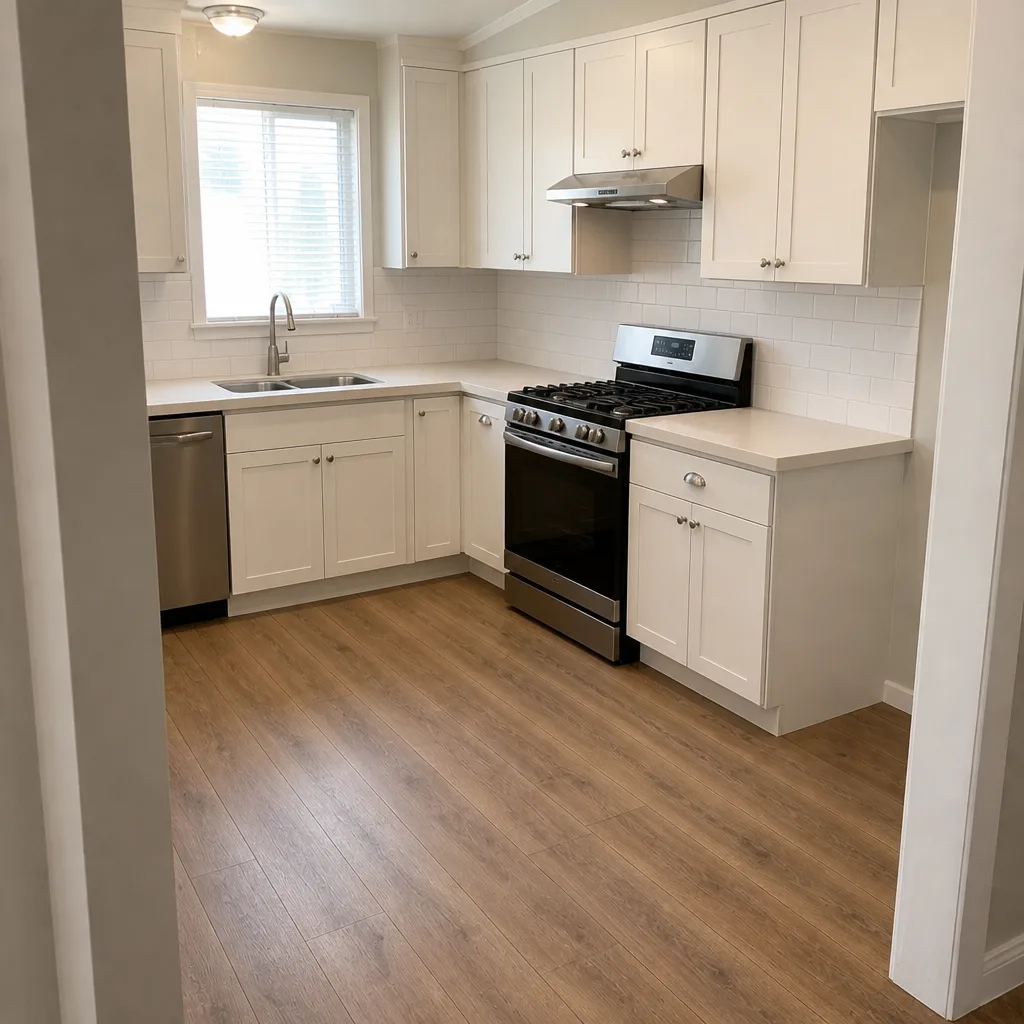
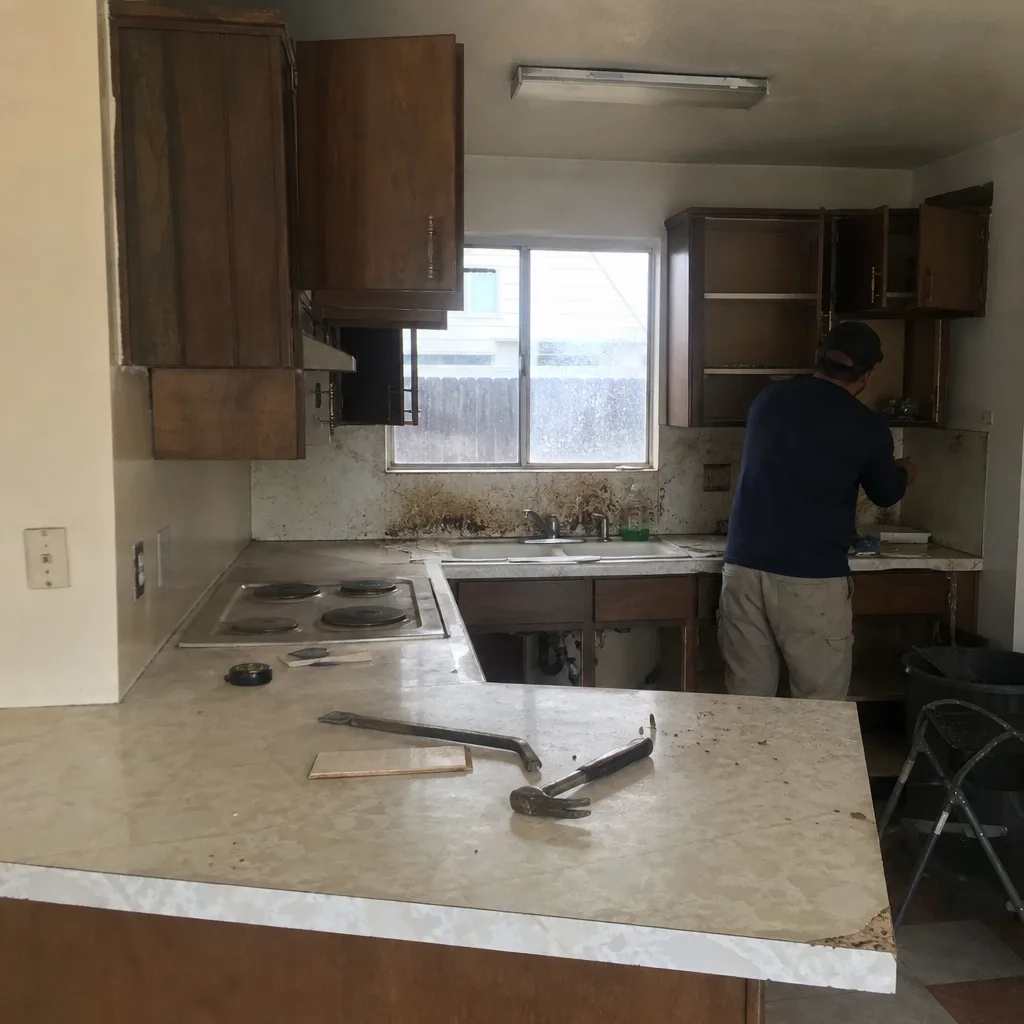
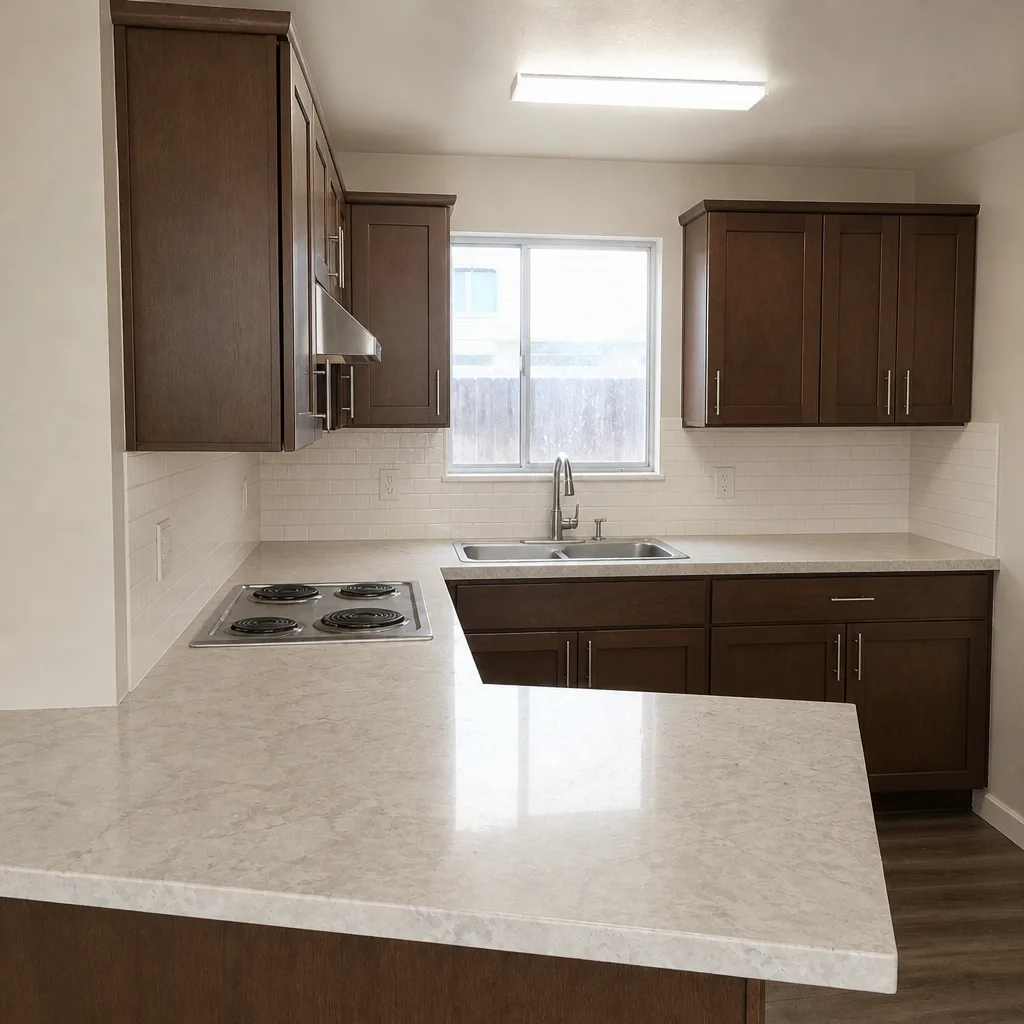
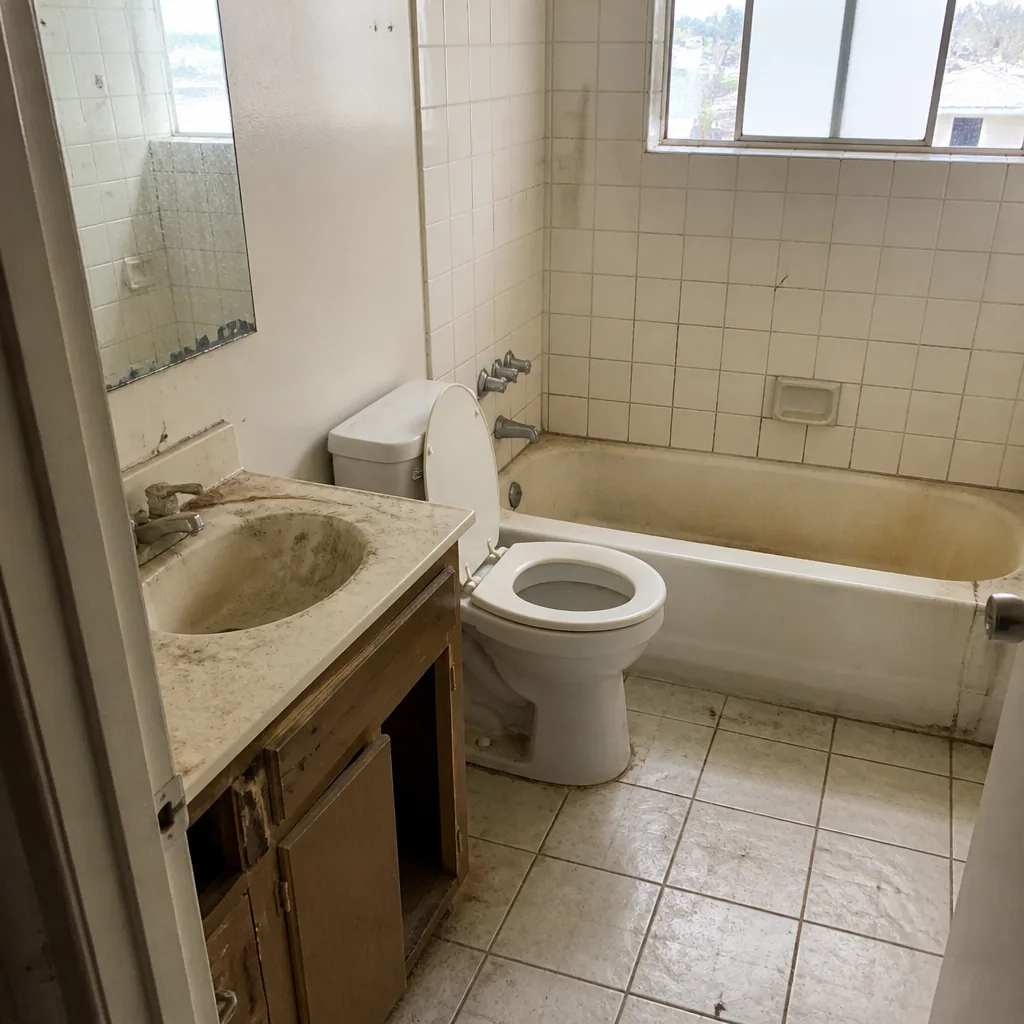
See the difference
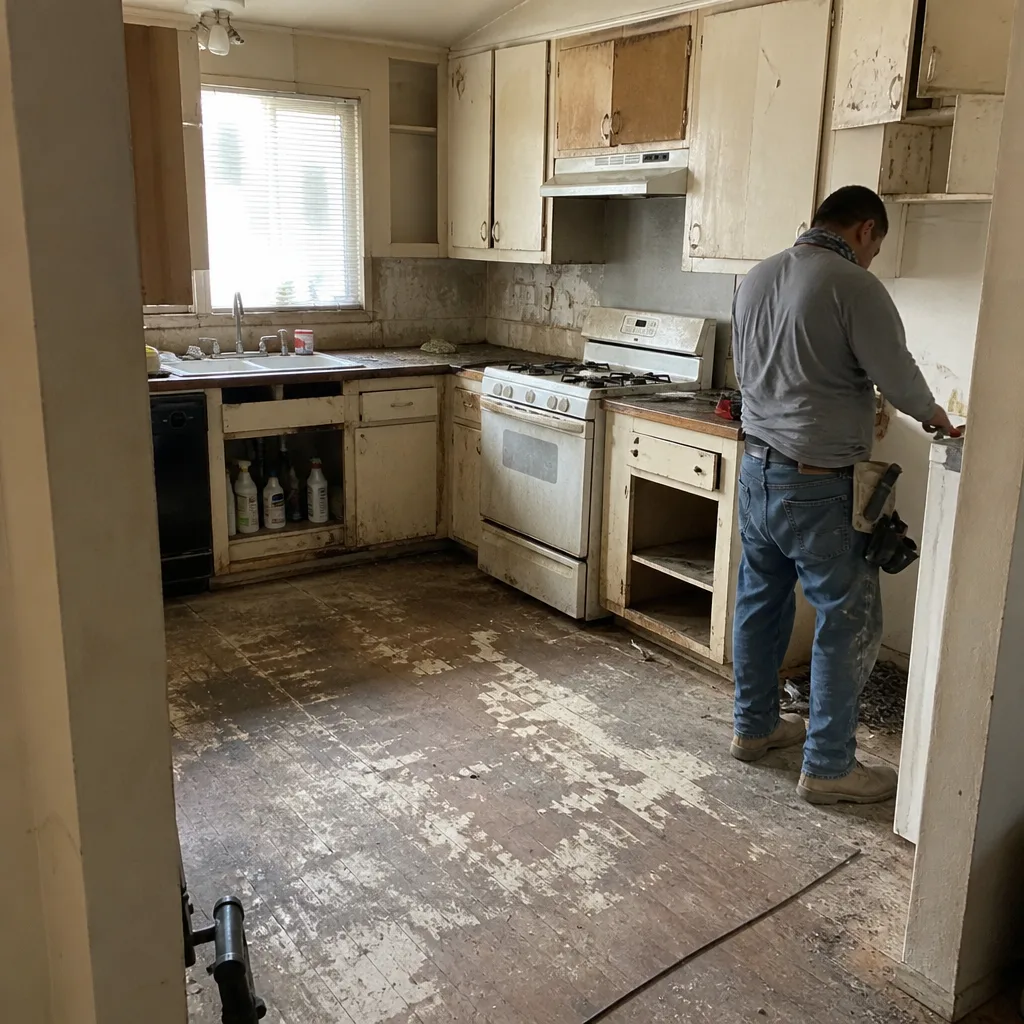 Before
 After
 Before
 After
 Before
 After
When to Call a Professional
Some jobs are tough weekends. Others are not, and pretending otherwise puts your family and your investment at risk. Call a licensed professional for gas line work or restoring gas service, any structural evaluation or cripple wall bracing, roof access and repair, electrical panel work, and any fire or flood damage assessment after an event. These all carry real safety stakes, and a trained technician with the right tools and knowledge should do the work.
Construction Antioch provides free estimates in Antioch and the surrounding area. Our technicians have up to 13 years of experience and work across seven trade categories, from driveway & pavers to roofing, with material relationships across 50+ manufacturers like Tremron, Techo-Bloc, and Oldcastle so you can pick based on what you actually want, not what’s in a truck. Call (866) 811-9694 to schedule your free estimate.
Frequently Asked Questions
Your first priority is safety: check for gas smells, leave the house if you smell gas, and call the utility from outside. Once everyone is safe, photograph the damage in order before any cleanup, and then call your insurer and a licensed contractor for evaluation. Do not turn on gas or start repairs before both have seen the damage. Call (866) 811-9694 for a free estimate once it’s safe.
Wildfire hardening is priced per job and depends on the scope: vent screening, deck replacement, and fence-to-structure separation each carry different costs. There’s no single number because no two homes have the same exposure. The written estimate sets the price, and estimates are free at Construction Antioch. Call (866) 811-9694 for an exact quote.
Most structural retrofits require a permit, and water heater securing usually needs an inspection of the gas connection. The rule varies by scope, so ask your city’s building department before work begins. A licensed contractor will pull the permits and schedule the inspections as part of the job. Call (866) 811-9694 to discuss your project.
Yes, you can close the meter valve yourself with the right wrench if you’re safe to do so. What you can’t do is restore gas service safely on your own, because that requires confirming the line and appliances are intact. Once the meter is off, call the utility or a licensed contractor to restore service. Call (866) 811-9694 if you need help evaluating the line.
Get the license number in writing, then verify it on the California Contractors State License Board’s public lookup. Check that the license is active, that the classification covers the work, and that the name matches the company. Request a certificate of insurance too. If any of those checks fails, walk away. Call (866) 811-9694 if you’d like help understanding the scope for your home.
Photograph wide shots of the exterior from each side and the street, roof damage from the ground with a zoom lens, foundation cracks, interior rooms wide and close, and anything you move for safety in its original location first. Keep a dated written log of everything you observe. Then call your insurer before any cleanup. Call (866) 811-9694 for a free assessment once you’ve documented the damage.
The Bottom Line
Preparedness for an Antioch home means addressing the specific risks this city carries: wildfire interface exposure, seismic vulnerability in pre-1980 housing stock, clay soil foundation movement, and utility infrastructure that needs a written shutoff plan. Start with the three highest-value steps: ember-resistant vent screening, an evaluated and secured crawlspace, and a documented shutoff map. Then build the documentation habit, learn to vet a contractor fast, and run the annual walkthrough. The goal isn’t a binder on a shelf; it’s knowing what to do before you need to. When you’re ready to turn planning into projects, one contractor can cover the exterior and the interior, from Construction Antioch‘s full scope to the specific materials and brands you’ve chosen.
Call (866) 811-9694 for a free estimate. We answer 24/7. Fast dispatch from 7am to 7pm, Sunday through Friday.
Written by the team at Construction Antioch.