
Last updated November 17, 2026
 Driveway & pavers
 Kitchen remodeling
 Bathroom remodeling
 Home additions & ADU
 Roofing
 Windows & doors
 Fence
Free written scope consultation - allowances, timeline, and change-order rules on paper before a single trade is scheduled
The Complete Driveway & Pavers Guide for Antioch Homeowners
Most driveway failures in the East Bay start six inches underground, not at the surface. Homeowners call us about cracked, sunken, or shifting pavement and assume the paver itself was the problem. It almost never is. What failed was the base – the compacted gravel layer sitting between the soil and the surface stone. In Antioch, that base sits on expansive clay that swells when it’s wet and shrinks when it dries, and the movement is enough to wreck a driveway built to coastal or Central Valley specs. This guide walks you through base depth, material choice, stormwater rules, the real install sequence, cost, and resale math for Antioch specifically, so the driveway you pay for survives the clay under it.
Quick Answer
A paver driveway in Antioch needs a deeper compacted base than most generic guides call for – typically 6 to 8 inches of compacted Class II aggregate over geotextile fabric, because the clay soil here moves seasonally. Concrete pavers, brick, and permeable units all perform well when that base is engineered correctly, but permeable systems are increasingly common given Contra Costa County’s stormwater requirements. Budget roughly $14 to $32 per square foot installed depending on material, base depth, and site access, and treat the base as the single most important line item.
Styles & brands we work with
- Kitchen remodeling
- Bathroom remodeling
- Home additions & ADU
- Roofing
- Windows & doors
- Driveway & pavers
- Fence
Table of Contents
- Why Antioch’s Soil Changes the Rules
- Paver Material Comparison for Antioch’s Heat and HOAs
- Permeable Pavers and Contra Costa Stormwater
- The Real Install Sequence, Phase by Phase
- What a Paver Driveway Costs in Antioch
- Curb Appeal and Resale in Antioch’s Market
- Maintenance, Sealing, and Seasonal Care
- How to Choose a Paver Contractor
Why Antioch’s Soil Changes the Rules
Antioch sits on expansive clay soils, and that single fact drives almost every engineering decision on a driveway here. Expansive clay absorbs water and swells; as it dries through Antioch’s long, hot summers, it shrinks back. That cycle pushes and pulls on whatever sits above it, and a thin base transfers that movement straight to your pavers. This is why a driveway that looks fine for two years can start heaving or settling across a whole panel in year three.
A properly engineered base in Antioch does three things a cheaper build skips:
- Geotextile fabric laid over the graded subgrade keeps fine clay particles from pumping up into the aggregate layer, which would otherwise drain its strength.
- Compacted Class II aggregate at 6 to 8 inches, placed and compacted in lifts, spreads the load of vehicles across a wider footprint than a shallow 4-inch base.
- Positive drainage away from the slab and footing keeps water from pooling at the edges, which is where clay movement usually begins.
Compare that to a coastal Bay Area job, where sandy or loamy soils drain readily and a shallower base often holds up. Central Valley towns with drier, more stable subgrades also get away with less. Antioch doesn’t. The clay is the variable, and it’s the reason we assess the subgrade before we quote a single paver. Neighborhoods like Lone Tree and the newer hillside developments along the southeast side can vary block to block in how much clay is near the surface, so a grade assessment isn’t a formality. It tells us how deep the base has to go. Get that wrong and every layer above it inherits the problem.
Paver Material Comparison for Antioch’s Heat and HOAs
Antioch’s summer heat is hard on surfaces. Triple-digit stretches are normal, and any material you choose has to handle temperature swings without fading, cracking, or softening. Each option below behaves differently under that heat, and each fits a different budget and HOA situation.
- Concrete pavers (Belgard, Tremron, Unilock): The workhorse choice. Interlocking concrete pavers flex with minor ground movement instead of cracking like poured concrete, and their color goes through the full thickness rather than sitting on top. They hold up well to Antioch heat and come in the widest range of styles. Best all-around value for most Antioch driveways.
- Clay brick pavers: Excellent heat tolerance and a classic look, but a higher installed cost and a smaller palette. Good where the home’s architecture calls for it. Brick handles thermal cycling gracefully because it’s fired at high heat to begin with.
- Travertine and natural stone: Beautiful and cool underfoot, but a premium-priced option that needs more careful sealing in a hot, dry climate. Stone stays cooler than concrete in direct sun, which some homeowners value. Expect the upper end of the price range.
- Permeable pavers (Unilock, Belgard permeable lines): Engineered with gaps or open joints that let water drain through to the base. Increasingly specified where stormwater compliance matters, which we cover in the next section.
All of these can work in Antioch, but the material only performs if the base under it is right. A $20-per-square-foot travertine job on a shallow base fails just as fast as a budget concrete job. Material selection is the fun decision; base engineering is the one that protects your money.
Permeable Pavers and Contra Costa Stormwater
Stormwater rules across Contra Costa County have tightened, and permeable pavers are increasingly part of how homeowners meet them. When rain hits a solid driveway, it sheets off toward the street, picking up oil, sediment, and debris on the way. Permeable systems let that water soak into the ground instead, reducing runoff and the load on municipal drainage. For Antioch properties with large hardscape footprints, this can matter both for compliance and for how the site handles heavy winter rain.
Antioch gets the bulk of its rain in a short wet season, and a driveway that drains poorly in January is a driveway that’s holding water against your foundation and pooling at the base edges. Permeable pavers address that directly. They rest on an open-graded base that stores and infiltrates water rather than shedding it. The trade-off is that the base has to be engineered properly – a permeable surface over a clay subgrade still needs an underdrain or a storage layer sized for the soil’s infiltration rate, which is where the design work lives.
Practical things to check before choosing permeable pavers in Antioch:
- Confirm whether your HOA or the county requires infiltration or just reduced runoff, since the two lead to different base designs.
- Check the slope of the lot. A driveway that pitches toward the house needs the water routed away, permeable surface or not.
- Plan for periodic vacuum sweeping. Permeable joints clog with fine dust over time, and clearing them keeps the system draining the way it’s supposed to.
Where a standard solid driveway meets all the drainage needs of the site, it usually costs less. Where runoff is a real constraint, permeable is the smarter choice. We help homeowners sort that out before the design is locked in.
The Real Install Sequence, Phase by Phase
Understanding the sequence helps you judge a quote, because every phase depends on the one before it. Skip a step and the whole system is compromised. Here’s how a paver driveway actually goes in Antioch, and why each phase matters.
- Grade assessment and layout. We evaluate the existing subgrade, confirm the slope and drainage direction, and mark the layout. In Antioch, this is where we read the clay content and decide the base depth. Skipping this means guessing at the most important number on the job.
- Demolition and excavation. The old surface and soft subgrade come out to the depth the base requires. Cutting corners here leaves unstable soil trapped under the new layers.
- Subgrade prep and fabric. The exposed soil gets graded and compacted, then covered with geotextile fabric to separate it from the aggregate above. This step is invisible in the finished driveway and essential to its life span.
- Base placement and compaction. Class II aggregate goes in on top of the fabric, compacted in lifts until it’s a solid, dense platform. For Antioch clay, that’s the 6-to-8-inch build. Compaction is checked, not assumed.
- Edge restraint. A restrained edge locks the whole field in place so pavers can’t spread under turning tires. It’s a small line item that prevents big failures.
- Setting bed and paver laying. A thin layer of bedding sand receives the pavers, laid in the chosen pattern. Alignment and pattern consistency are checked as it goes.
- Cutting and edge infill. Borders and curves get cut to fit, and joint sand fills the gaps.
- Plate compaction and cleanup. The finished field gets compacted once more to seat the pavers into the bedding, then the site is cleaned.
- Sealing (optional, later). After the driveway has settled, a sealer can be applied for color depth and stain resistance. Sealing too early traps moisture; timing matters.
Each phase protects the next. A perfect brick laid on a shallow, uncompacted base fails. Permeable pavers laid without the right open-graded layer clog and pond. The sequence isn’t bureaucracy; it’s the reason a driveway lasts twenty years instead of five. When you review a quote, this is the checklist to hold it against.
What a Paver Driveway Costs in Antioch
Typical installed paver driveway costs in Antioch run about $14 to $32 per square foot, all-in. The low end reflects standard concrete pavers on a straightforward, well-draining lot; the high end reflects premium stone or permeable systems on deeper bases and more complex layouts. Total project cost depends on square footage, base depth, site access, and whether permeable drainage adds work. These ranges are estimates – the written line-item quote sets the final price.
| Material / System | Typical Installed Range (per sq ft) |
|---|---|
| Standard concrete pavers (Belgard, Tremron) | $14 – $20 |
| Premium interlocking concrete (Unilock) | $18 – $26 |
| Clay brick pavers | $20 – $28 |
| Travertine / natural stone | $24 – $32 |
| Permeable paver systems | $20 – $30 |
What moves you up or down the range:
- Base depth. Antioch’s clay demands more base, and more base costs more – but it’s the difference between a driveway that holds and one that heaves.
- Site access. Tight lots or hillside entries that slow excavation and delivery add labor.
- Demo. Removing an old concrete slab or asphalt apron adds cost over a fresh-gravel site.
- Drainage and permeable design. Underdrains, storage layers, and compliance-driven design add line items.
- Borders, patterns, and inlays. Decorative bands and patterns take more cutting and layout time.
The most common way homeowners overpay is by choosing a premium paver to save money on the base. That inverts the priorities. The base is where the value is. Get a written, line-item quote that breaks out excavation, base, restraint, pavers, cutting, and sealing separately so you can see where your money is going. Compare that breakdown to a Construction Antioch quote, and you’ll see the base depth and drainage line items written out instead of buried in a lump sum.
Curb Appeal and Resale in Antioch’s Market
Driveway scope in Antioch is tied closely to resale value, and the math looks different here than it does in Brentwood or Oakley. Antioch has a wide range of housing stock, from older established homes near the river to newer builds on the southeast side, and buyers shopping here often compare houses across those communities. A well-built paver driveway and clean hardscape are visible from the street on day one, before a buyer ever steps inside. In a market where a lot of inventory competes on price, curb appeal is often the first filter.
What that means practically:
- First impressions are cheap to lose and expensive to rebuild. Cracks, weeds through joints, and a sunken apron read as deferred maintenance. Clean, level pavers read as a cared-for home.
- The driveway pairs with the fence and front landscaping. Matching color families between the paver driveway and a fence installed with ActiveYards products, for example, creates a cohesive front elevation buyers notice.
- Permeable or drainage-conscious hardscape is increasingly a talking point as buyers learn about stormwater and runoff.
Where a kitchen or bathroom remodel pays back mostly to the homeowner who lives there, exterior hardscape is visible to every buyer who drives past. In Antioch’s competitive resale climate, a durable, well-drained driveway protects the one asset every buyer evaluates first. We usually recommend treating the driveway and the fence as one front-yard project rather than two, because the color and material choices read together, and doing both lets you coordinate the design in one place – for instance, pairing fence installation with the driveway so the front of the house feels finished.
Maintenance, Sealing, and Seasonal Care
A paver driveway in Antioch is low-maintenance, not no-maintenance. The clay base and hot summers mean a few seasonal habits keep it looking new for decades.
- Replenish joint sand. As pavers settle and the seasons shift the field, joint sand works its way out. Top it off so the interlock stays tight and weeds don’t take hold.
- Seal at the right time. A penetrating or film-forming sealer deepens color and resists stains, but it should go on once the driveway has fully settled and the weather is right. Sealing too early or in the wrong conditions traps moisture.
- Keep weeds in check. A well-sanded joint is the best defense. Caught early, small weeds pull easily and never reach the base.
- Direct water away. Make sure downspouts and site drainage still move water toward the street or a drain, not across the driveway surface toward the house.
- Watch the edges. The edge restraint does most of the work, but check after heavy rain that it hasn’t shifted or lifted at the driveway entrance.
- Sweep permeable joints. If you chose permeable pavers, periodic vacuum sweeping clears the fine dust that clogs open joints over time.
Sealing is the most misunderstood step. Done on the right schedule, it protects the surface and keeps the color rich. Done too soon or as a shortcut, it can trap moisture and dull the finish. The way to get the timing right is to understand the base and the material together, which is why base-first thinking pays off long after the install.
How to Choose a Paver Contractor in Antioch
The contractor matters as much as the material. Here’s what separates a driveway that lasts from one that fails:
- Ask how deep the base will be and why. A contractor who gives you a shallow number without mentioning Antioch’s clay or the subgrade assessment is skipping the most important step.
- Require a written, line-item quote. Excavation, fabric, aggregate, compaction, restraint, pavers, cutting, and sealing should each be visible. A fixed price with no change orders means you know the number before work begins.
- Confirm drainage is planned, not improvised. Slope, runoff direction, and permeable design where needed should appear in the plan.
- Check the brands and verify them yourself. A contractor naming Belgard or Unilock in the quote lets you research the material independently rather than trusting a vague pitch.
- Ask who handles permits. Most cities require a permit for significant hardscape work that alters grading or drainage, so ask your city’s building department, and ask the contractor whether they’ll pull it.
- Look for one contractor who can carry a broader scope. A driveway plus a fence plus a re-roof is three trades in a row. One team coordinating the whole project saves you the juggling.
This last point is where a single contractor pays for itself. The same company that installs a Unilock or Belgard driveway and an ActiveYards fence can also handle the roofing, windows, and interior work, which is the advantage of a contractor that covers roofing, kitchens, bathrooms, windows and doors, fencing, pavers, and home additions & ADU work under one roof. You get one point of contact, one schedule, and design continuity from the driveway to the front door. Our technicians have up to 13 years of experience with materials across that whole range, and we work with more than 50 recognized manufacturers so the material choice follows your priorities, not what’s sitting in a warehouse.
Common Mistakes to Avoid
- Picking the paver before the base. It’s the most common and most expensive mistake in Antioch. The paver is the visible layer; the base determines whether it stays put. Design the base for the clay first, then choose the surface.
- Accepting a 4-inch base in clay soil. A shallow base that works on sandy or coastal soils moves and cracks here. Six to eight inches of compacted aggregate is the Antioch standard for a reason.
- Skipping the geotextile fabric. Without it, fines from the clay pump up into the base and weaken it from below. It’s a cheap layer that prevents an expensive failure.
- Ignoring drainage and runoff. A driveway that sheds water toward the house or pools at the base edges invites the very soil movement you’re trying to prevent. Plan where the water goes before the pavers go down.
- Sealing too soon. Sealing a fresh install before it settles, or in the wrong weather, traps moisture and dulls the finish. Wait for the right season and the right timing.
- Choosing purely on price per square foot. A cheap quote usually reflects a shallow base or a lower-grade aggregate rather than a better deal. Compare what’s under the pavers, not just the surface.
- Treating the driveway as a standalone project. The driveway, fence, and front landscape are seen together. Coordinating the materials and colors across all of them, and having one contractor manage the work, protects the whole look.
See the difference
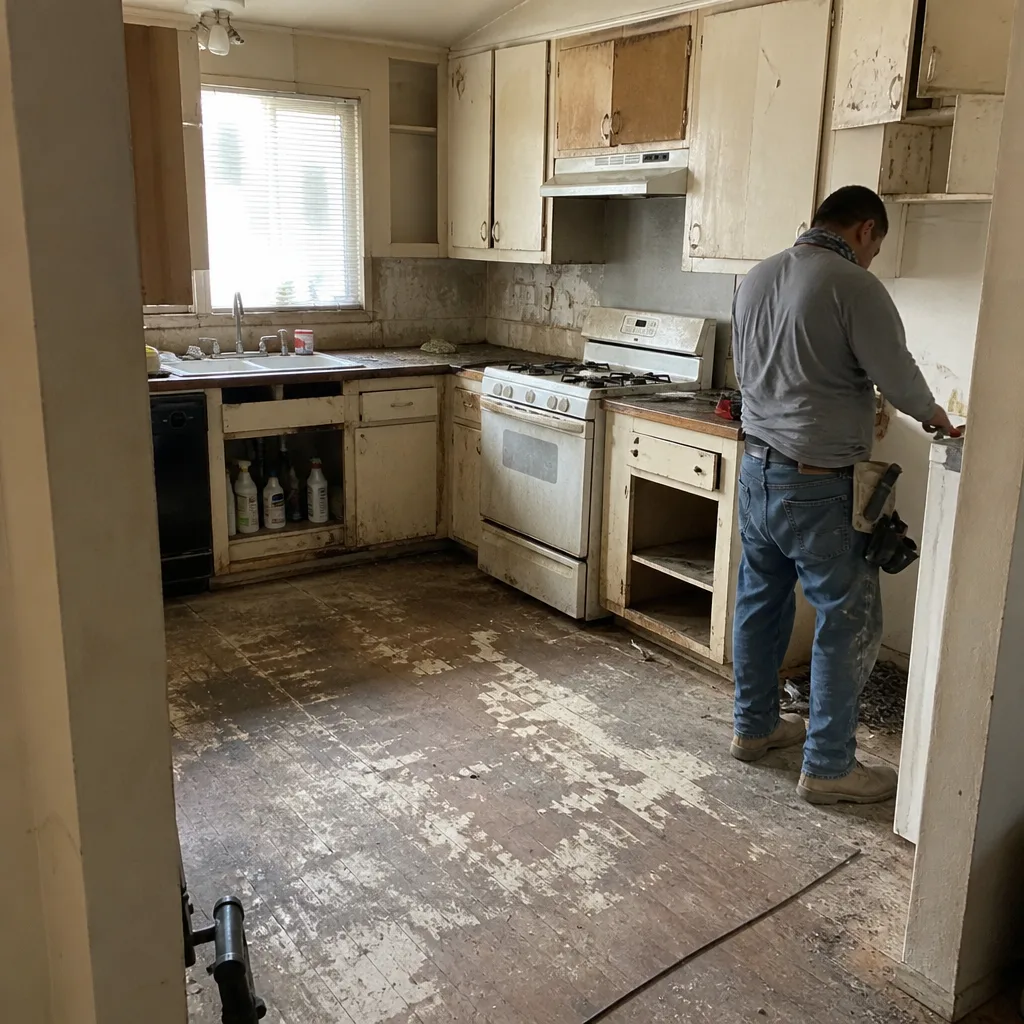 Before
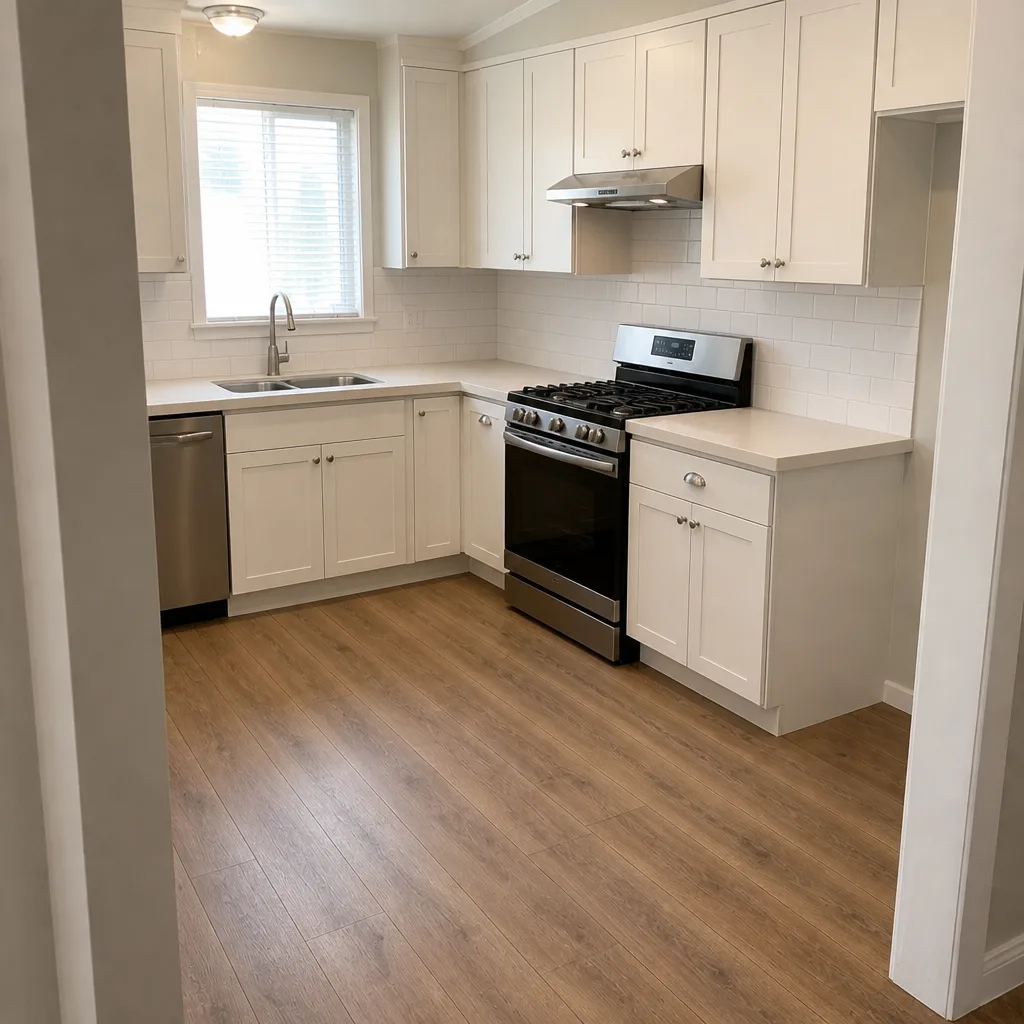 After
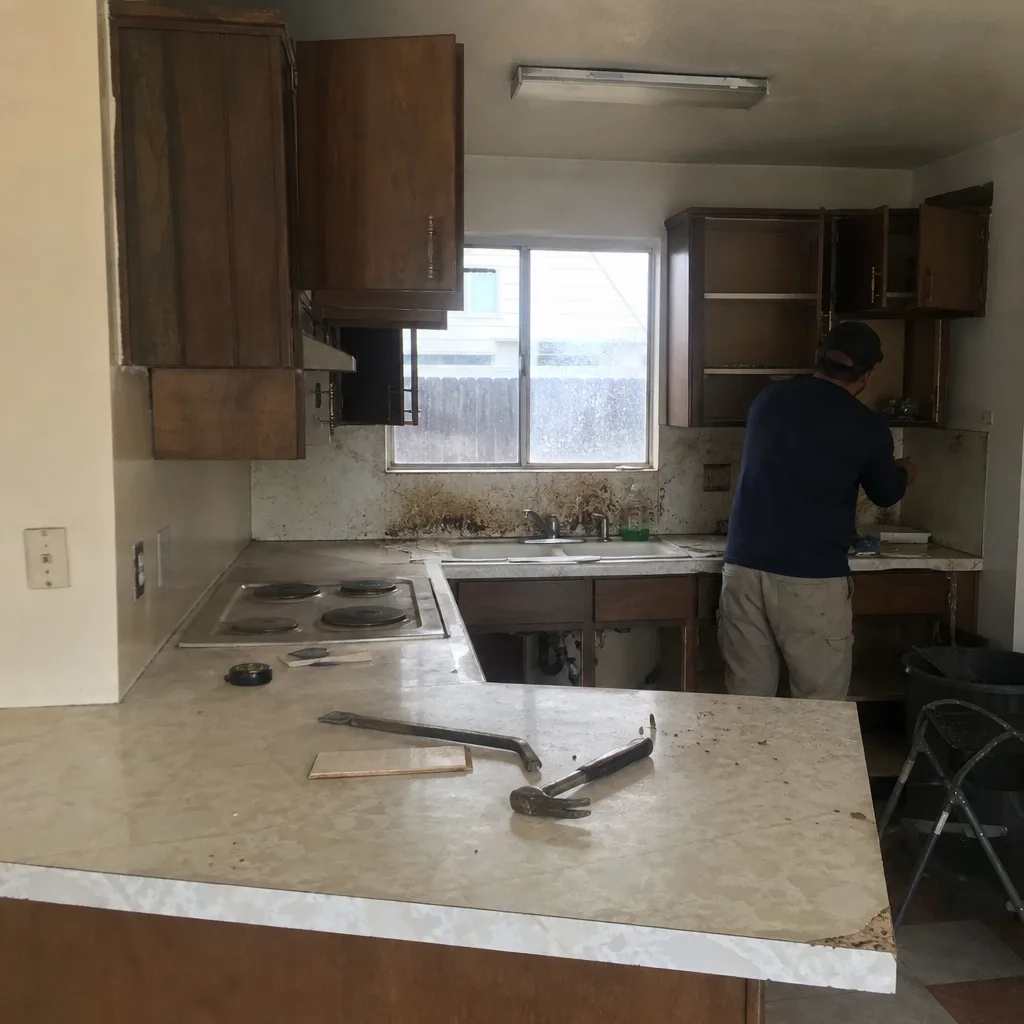 Before
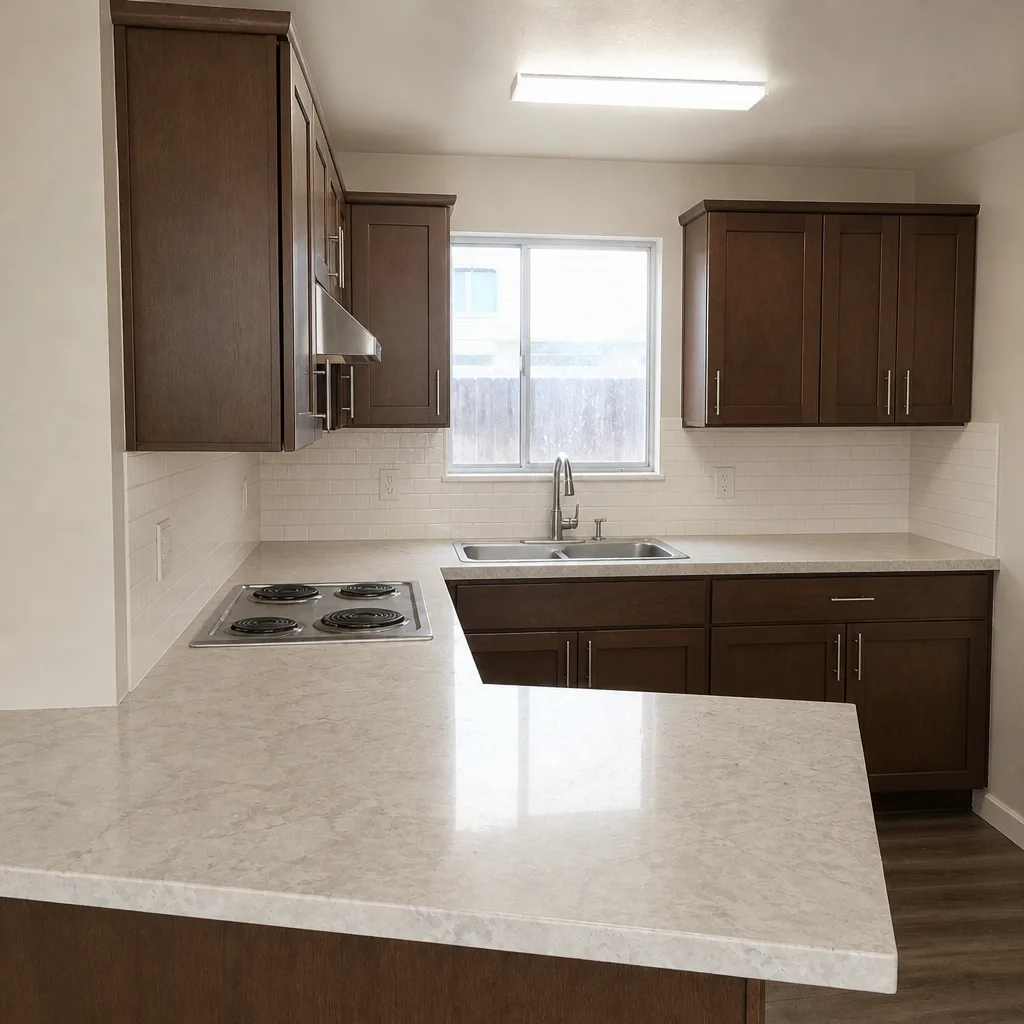 After
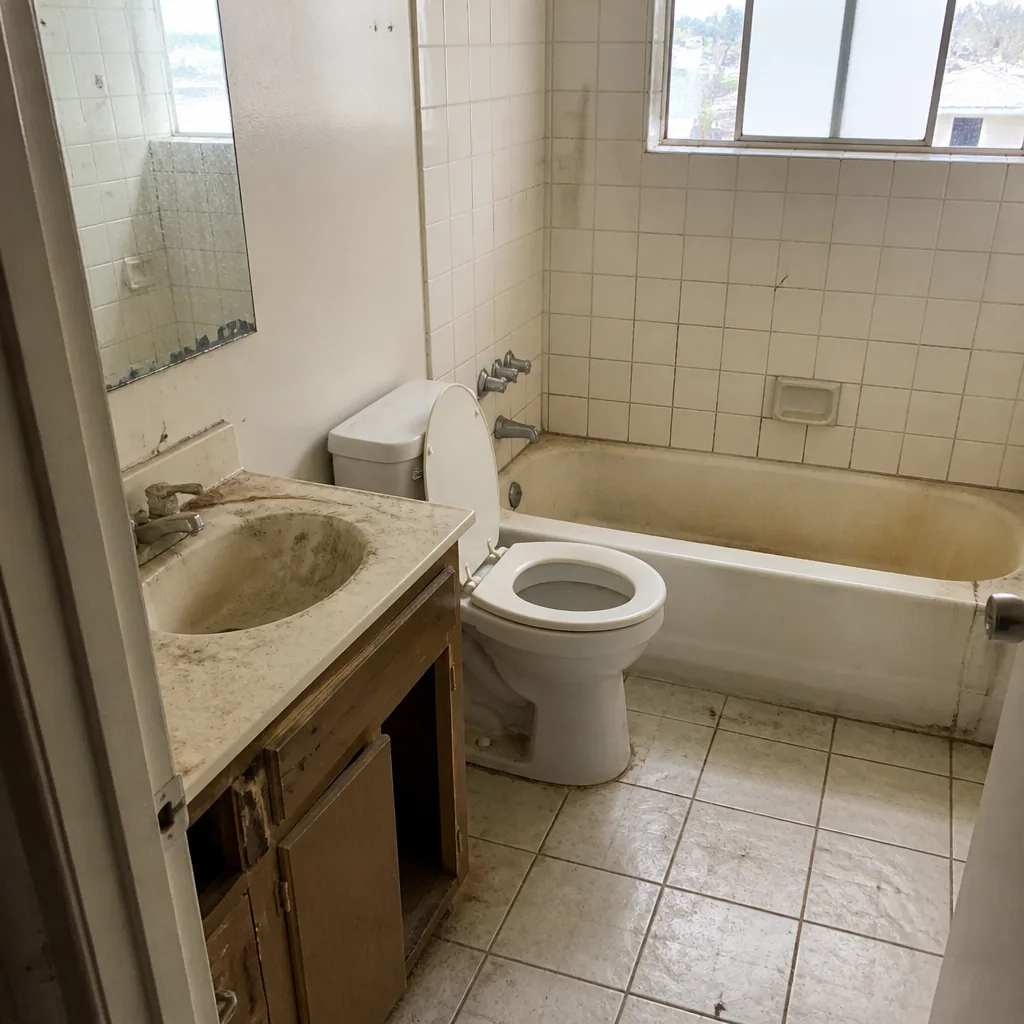 Before
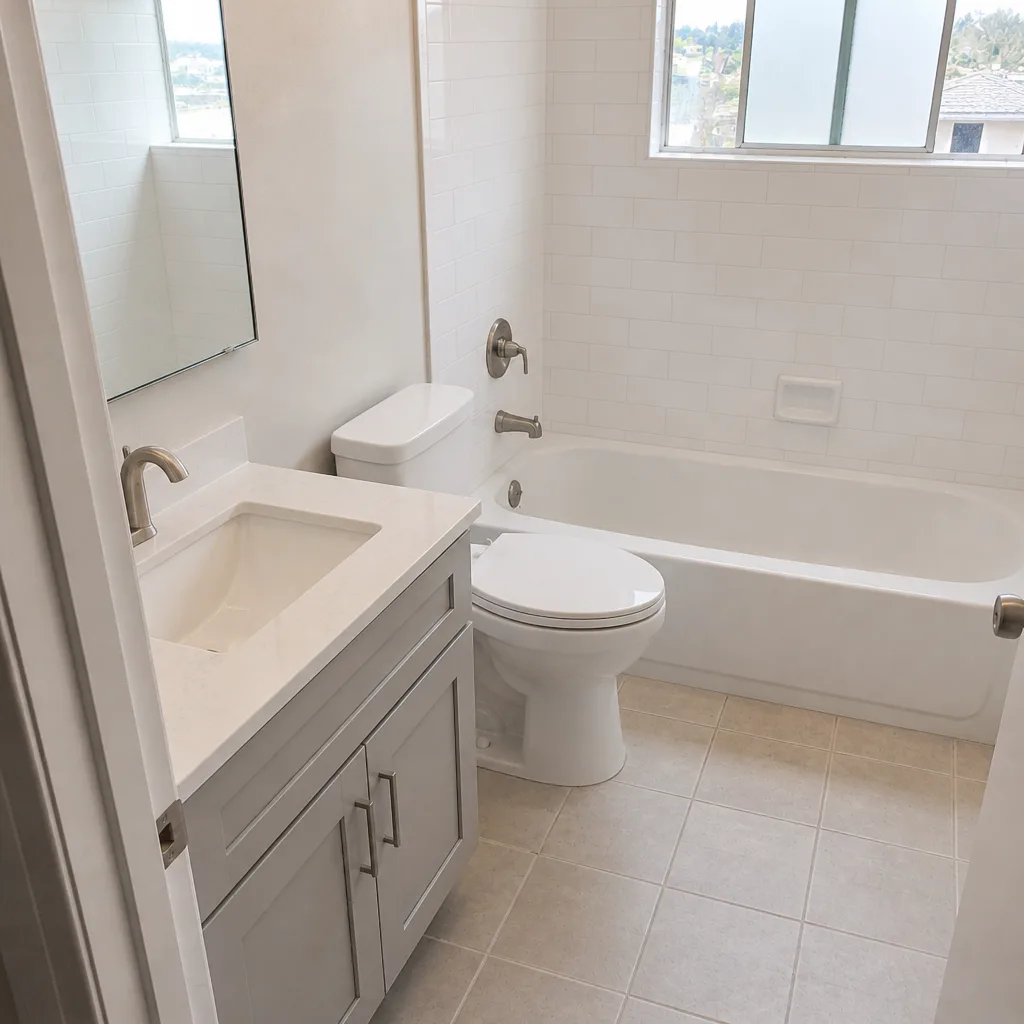 After
When to Call a Professional
Some driveway issues are maintenance; many are signs of a failed base that a DIY fix can’t solve. Call a professional if you’re seeing pavers that have sunk or heaved across a section, cracks running through multiple units, standing water on the driveway after rain, or weeds coming up through joints faster than you can pull them. Those point to what’s happening below the surface, and adding a new layer on top won’t fix the cause. Beyond repairs, call before you start a new driveway, a permeable retrofit, or a front-yard project that combines driveway & pavers with a fence or home addition, because the base, drainage, and design decisions all interact. Construction Antioch offers free estimates in Antioch – call (866) 811-9694. Estimates are free, quotes are line-item in writing, and the price is fixed with no change orders once work starts. Call (866) 811-9694. We answer 24/7. Fast dispatch from 7am to 7pm, Sunday through Friday.
Frequently Asked Questions
A paver base in Antioch should be 6 to 8 inches of compacted Class II aggregate over geotextile fabric, deeper than what many generic guides recommend for drier or sandier regions. The reason is the expansive clay soil here, which swells and shrinks with the seasons and needs a deeper, more stable platform to spread vehicle loads. Confirm the base depth in your written quote before work begins. Call (866) 811-9694 for an exact quote – estimates are free.
A typical paver driveway in Antioch runs about $14 to $32 per square foot installed, depending on material, base depth, site access, and whether permeable drainage is part of the design. Concrete pavers sit at the lower end; travertine and natural stone at the upper end. These are estimates, and the written line-item quote sets the final price. Call (866) 811-9694 for an exact quote – estimates are free.
Permeable pavers are not universally required, but they’re increasingly specified given Contra Costa County’s stormwater rules, especially on properties with large hardscape footprints. Whether your project needs permeable design depends on HOA rules, local requirements, and how much runoff the site generates. The best way to know is to have the drainage plan reviewed before the design is locked in. Call (866) 811-9694 to talk through your specific lot – estimates are free.
A paver driveway built on a properly engineered base can last decades, and individual pavers can be lifted and reset if the ground shifts. The single biggest factor is base depth and compaction, followed by drainage and maintenance. In Antioch’s clay, a shallow base shortens that life significantly no matter how good the pavers are. Call (866) 811-9694 for a quote – estimates are free.
A well-built paver driveway improves curb appeal and supports resale value in Antioch’s competitive market, where buyers often compare homes in Antioch against ones in Brentwood and Oakley on first impression. The driveway, fence, and front landscape are visible from the street before a buyer walks in, so coordinated front-yard materials tend to help a home stand out. Call (866) 811-9694 to plan a front-yard project – estimates are free.
Sometimes, but only if the existing concrete is structurally sound, properly graded, and thick enough to carry the pavers plus a setting bed without cracking. In most Antioch cases the safer and longer-lasting path is to remove the old surface and rebuild the base correctly for the clay. A site assessment tells you which direction makes sense. Call (866) 811-9694 for a free estimate and site review.
The Bottom Line
The paver you choose matters less than the base it sits on. In Antioch, that means engineering for expansive clay: a 6-to-8-inch compacted aggregate base over geotextile fabric, positive drainage, and a proper edge restraint, with the material selection driven by your budget, your HOA, and how the site handles rain. Whether you choose concrete, brick, travertine, or permeable pavers, the sequence of grade assessment, excavation, base, and surface is what determines how the driveway holds up over time. Treat the driveway and front-yard work as one project, verify the brands in the quote, and make sure the base depth is written out. That’s the difference between a driveway built to last and one built to look good for a season.
Ready to plan your driveway or front-yard project? Call (866) 811-9694. We answer 24/7. Fast dispatch from 7am to 7pm, Sunday through Friday. Estimates are free, and every quote is a written line-item you can hold us to.
Written by the team at Construction Antioch.