
Last updated November 17, 2026
 Kitchen remodeling
 Bathroom remodeling
 Home additions & ADU
 Roofing
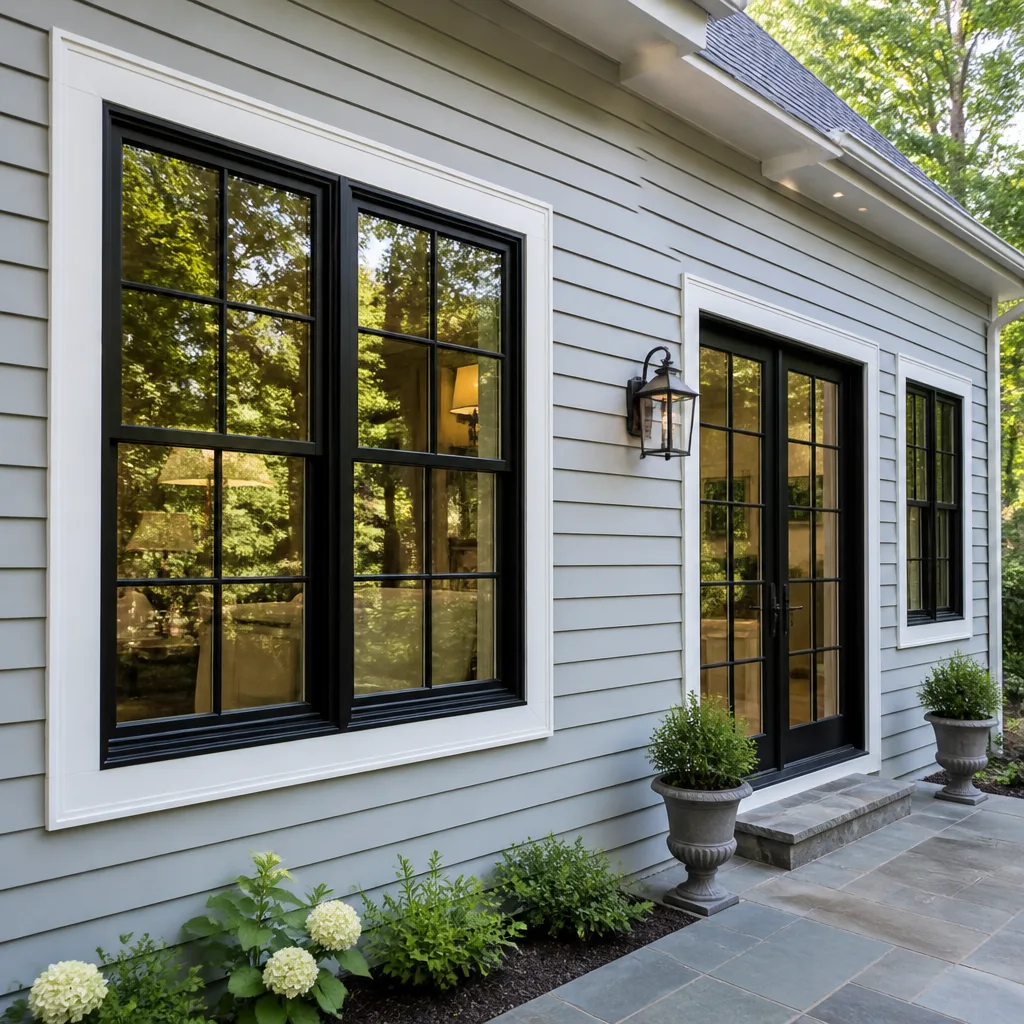 Windows & doors
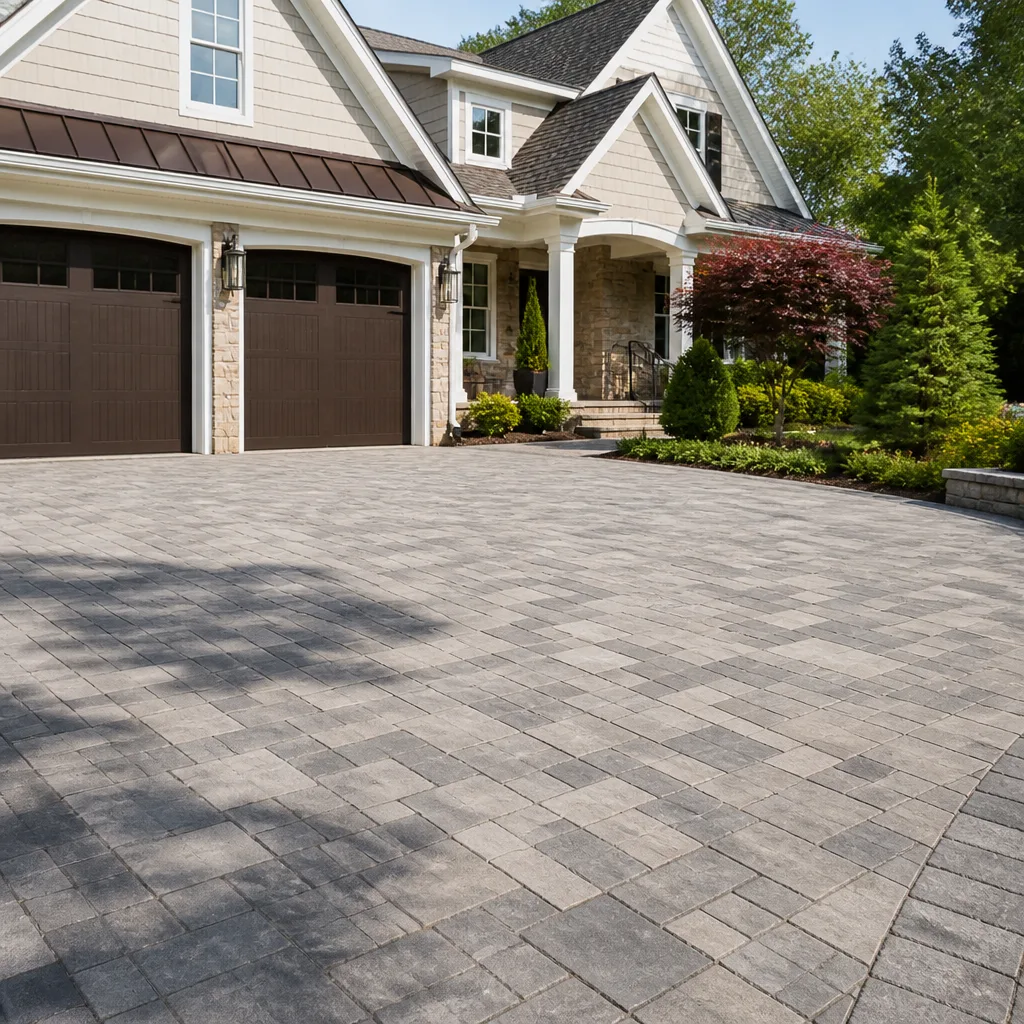 Driveway & pavers
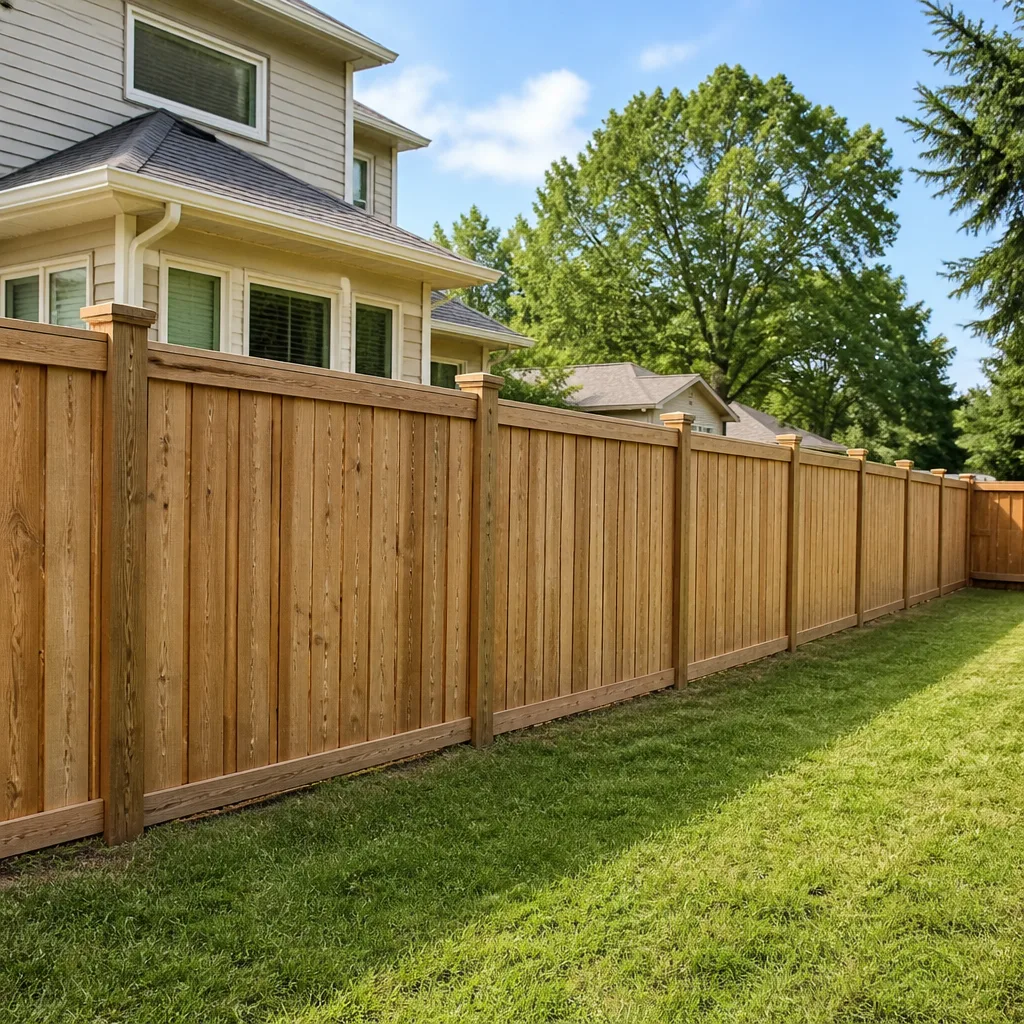 Fence
Free written scope consultation - allowances, timeline, and change-order rules on paper before a single trade is scheduled
Construction Permits, Codes & Inspections in Antioch, CA: What You Need to Know
Most homeowners who get surprised by a permit timeline aren’t surprised by the state code. They’re surprised by Antioch. California’s Title 24 energy standards apply everywhere, but Antioch has adopted local amendments and review habits that change how window ratings get checked, where a water heater can sit, and how much room an ADU needs to leave at the property line. Add a fire district review that runs on its own clock and a plan check queue measured in weeks rather than days, and a budget built on a generic “permit takes two weeks” assumption falls apart fast. This guide walks you through what actually requires a permit in Antioch, how the reviews stack up, and how to move a correction notice toward re-inspection without losing another month.
Quick Answer
In Antioch, CA, most structural, electrical, plumbing, and mechanical work needs a building permit, and plan check is currently running about three to five weeks. Your approval also depends on reviews that happen outside the building department, including East Contra Costa Fire District review and Antioch’s local amendments to the state energy code. Budget both the permit cost and the calendar time before you sign a contract.
Styles & brands we work with
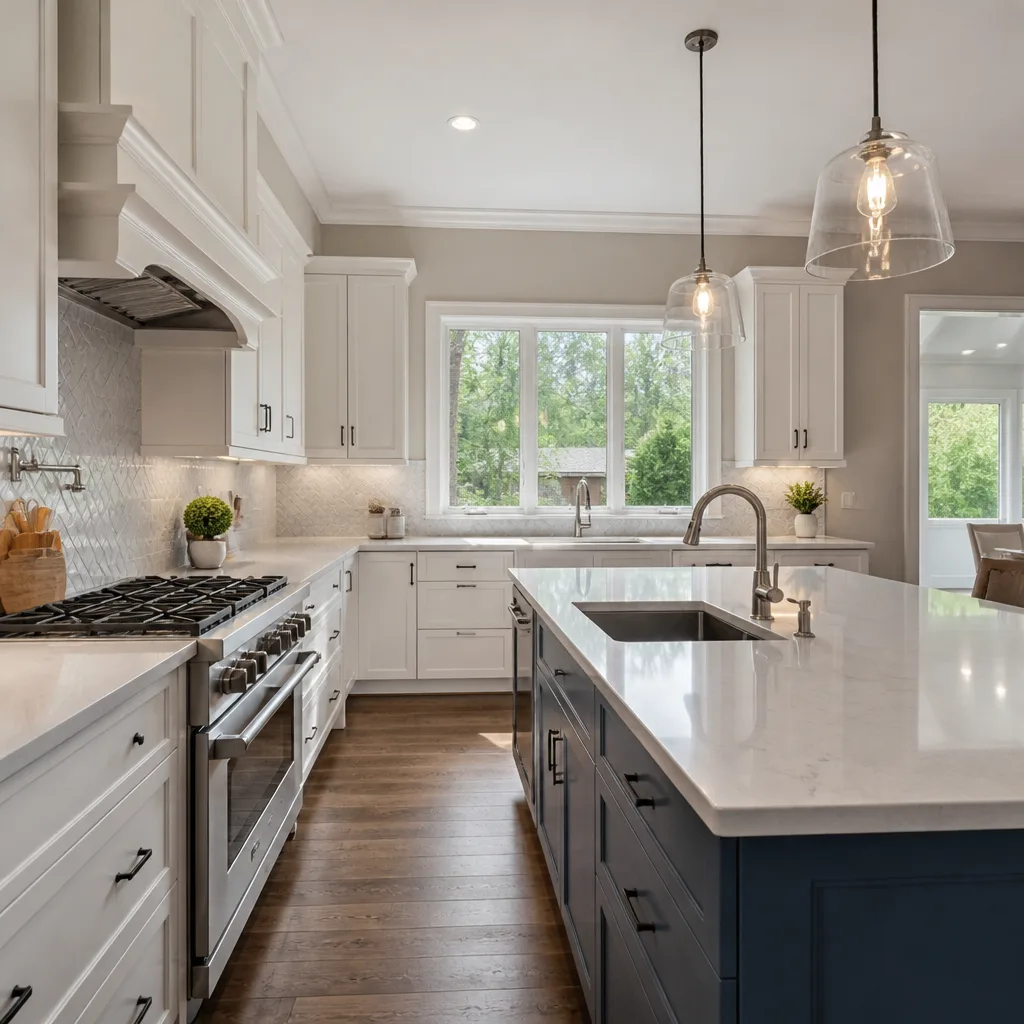
- Kitchen remodeling
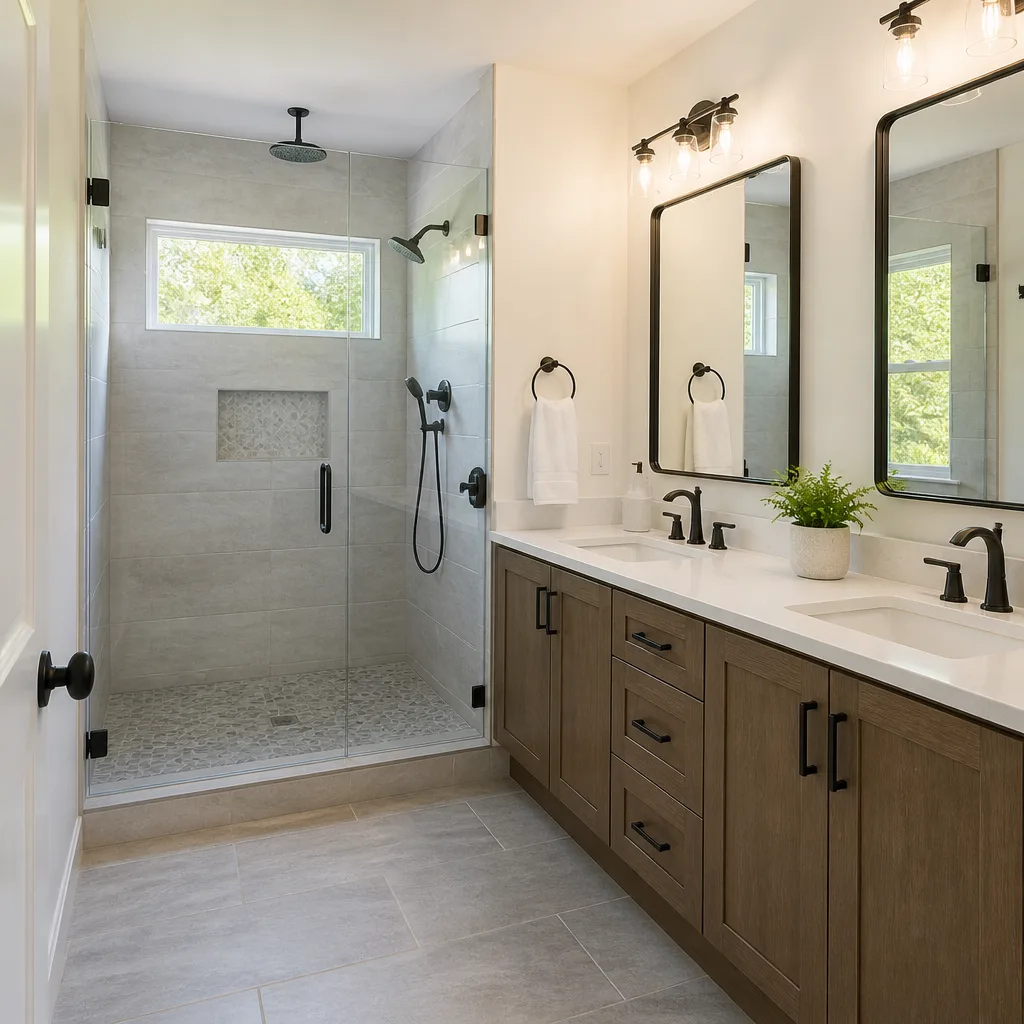
- Bathroom remodeling
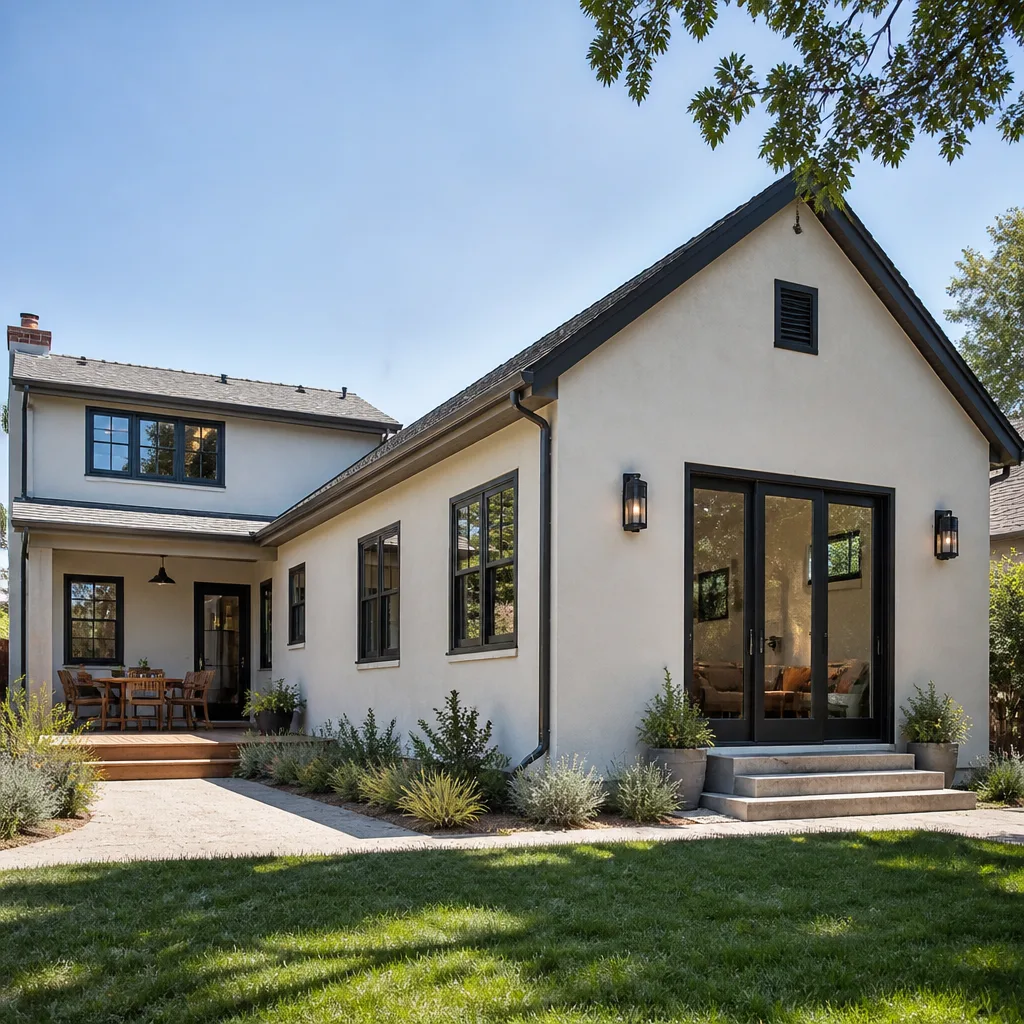
- Home additions & ADU
- Roofing
- Windows & doors
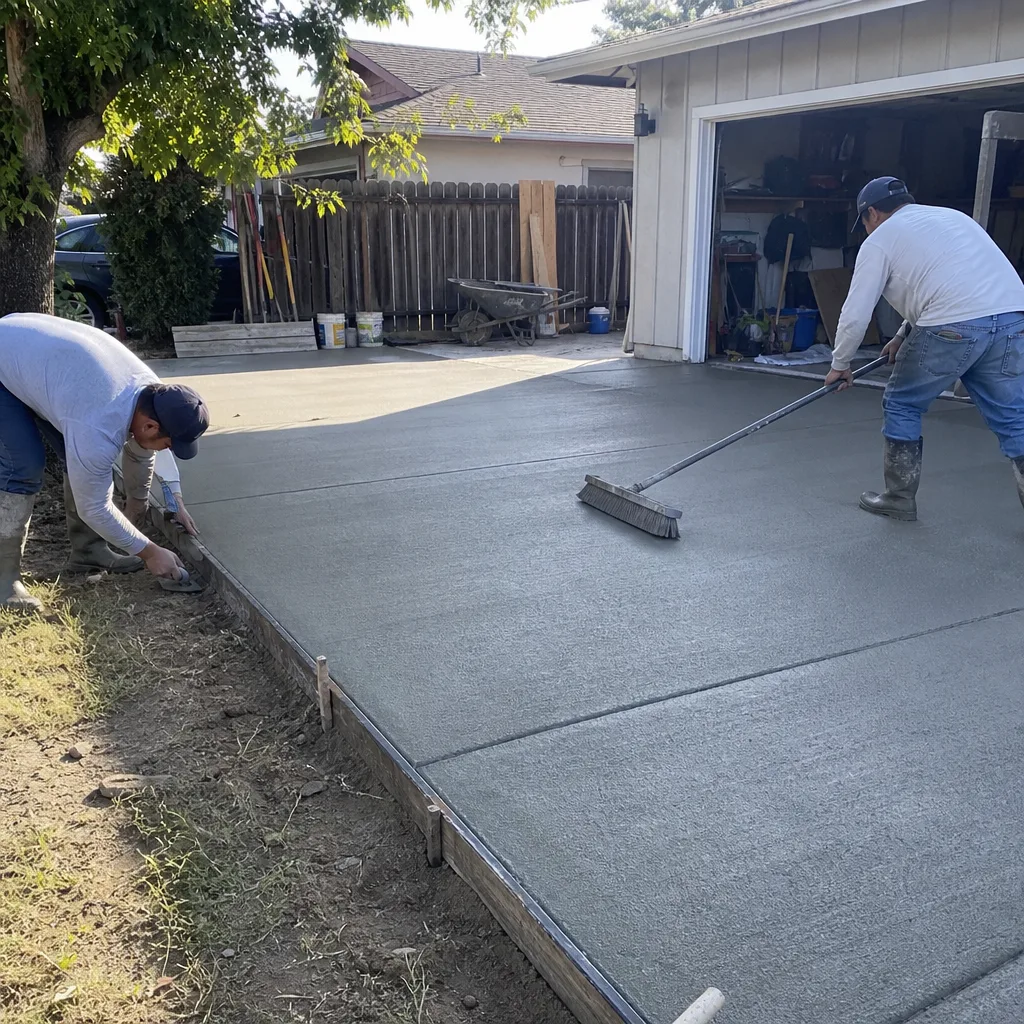
- Driveway & pavers
- Fence
Table of Contents
- What Needs a Permit in Antioch (And What Usually Doesn’t)
- Permits Homeowners Assume They Don’t Need
- How East Contra Costa Fire District Review Changes Your Timeline
- Deferred Submittal vs. Full Plan Check
- Antioch’s Local Amendments: Windows, Water Heaters, ADU Setbacks
- What Triggers a Soils Report in Antioch
- How to Read an Inspection Correction Notice
- Common Mistakes to Avoid
What Needs a Permit in Antioch (And What Usually Doesn’t)
The short version: if the work touches structure, wiring, gas, water, or the building envelope, assume you need a permit. If it’s a cosmetic finish swapped in kind, you usually don’t. Antioch’s building department follows the California Building Standards Code with local amendments layered on top, so the categories below are the ones that come up most often for homeowners planning remodel work.
Work that requires a permit:
- Any wall removal, addition, or structural repair
- New or relocated electrical circuits, panel changes, and subpanels
- Plumbing rough-in changes, water heater replacement, and gas line work
- Reroofing, including a tear-off and replacement of the same material
- Window and door replacement where the opening size or framing changes
- Fences above the height the city treats as exempt
- Patio covers, carports, and pergolas that are attached or roofed
- Swimming pools, spas, and their electrical and gas connections
- Standby generator installations, including the transfer switch and gas or electrical hookups
- ADUs, additions, and any new livable square footage
Work that typically doesn’t: interior paint, flooring over existing subfloor, cabinet refacing without moving plumbing or electrical, and swapping a fixture for a like-for-like replacement on an existing circuit.
One caution on that last list. “Like-for-like” gets people into trouble when a new range hood moves the duct run, or a bathroom vanity relocation moves the drain. The moment the work changes the system rather than finishes it, the permit conversation starts again. When we plan a Construction Antioch remodel, we flag permit scope before the design is finalized so the homeowner isn’t discovering it at the counter.
Permits Homeowners Assume They Don’t Need
Fence height, patio covers, and generators are the three categories where we most often hear “but the last contractor said we didn’t need one.” Each of those has a real threshold in Antioch, and each one gets caught eventually, usually at a resale inspection or a neighbor complaint.
Fences
Low garden fences usually fall under the city’s exempt height. Once a fence climbs above that line, or when it sits on a retaining wall or acts as a screen taller than a typical privacy fence, a permit is often required. Front-yard and corner-lot fences face additional sight-line rules that differ from a standard side-yard fence. If you’re planning a project like this, our fence installation team maps the height and location against the city’s rules before a single post goes in, because pulling a fence down after the fact costs more than the permit ever would.
Patio covers
A freestanding umbrella or shade sail isn’t a structure. An attached, roofed patio cover is. So is a pergola with posts set in concrete. Attached covers carry wind and load requirements, and the attachment detail to the house is reviewed as part of the permit drawings.
Generators
Standby generators pull a permit for two reasons: the electrical connection and the fuel connection. The transfer switch has to be wired correctly so it can’t back-feed the grid, and a natural gas or propane line has to be sized and pressure-tested. A portable generator plugged into an inlet box still needs the inlet and interlock permitted.
Other quiet triggers
- Converting a garage to living space, even partially
- Adding a second electrical meter or subpanel for an ADU
- Enclosing a patio into conditioned space
- Adding a deck more than a step above grade
How East Contra Costa Fire District Review Changes Your Timeline
East Contra Costa Fire District review runs on a separate track from city building review. That’s the part most homeowners and even some contractors underestimate. Your plans can pass building plan check in Antioch and still sit waiting on fire district comments, and the two reviews don’t always talk to each other in real time.
Fire district review typically applies when a project touches:
- Fire apparatus access and driveway width or turnarounds
- Water supply for fire protection on larger additions
- Defensible space and exterior materials at the wildland interface
- Access roads and hydrant spacing for ADUs on larger lots
- Solar and battery storage installations
The practical reality is that fire review should be submitted at the same time as building review, not after. When both packages are in front of their respective reviewers concurrently, the two comment cycles overlap instead of stacking. When they’re sequential, you pay the calendar twice.
The other reality is that fire district comments often come back as a set of conditions rather than approvals. That means your final inspection can require a fire district sign-off as well, so build the sign-off list into the construction schedule rather than treating it as a clerical step at the end.
Deferred Submittal vs. Full Plan Check
Full plan check means the entire construction package is reviewed before any permit is issued. Deferred submittal means a specific portion of the work, usually truss engineering, fire sprinkler design, or a specialized structural element, is approved later while the main permit moves forward. Choosing the wrong path costs weeks.
When full plan check is the right call
- Structural additions, second stories, and anything that changes the building’s footprint
- New ADUs, because the whole point of the review is confirming the unit meets code and setback rules
- Any project where the design is still settling; you don’t want to defer a package that isn’t finished
When deferred submittal works
- Truss and engineered lumber packages on a project already approved on the architectural side
- Fire sprinkler design
- Certain prefab components where the manufacturer supplies stamped drawings
For prefab-integrated ADUs, which are built around manufactured modules from brands like Abodu, Dvele, and Mighty Buildings, the factory documentation often arrives as its own submittal. That’s a case where deferred submittal is genuinely efficient, provided the site work and utility connections are reviewed in the main package. Our home additions & ADU work leans on that structure because prefab modules carry supplier-stamped documents that city reviewers can process in parallel.
Antioch’s Local Amendments: Windows, Water Heaters, ADU Setbacks
California’s Title 24 energy code applies everywhere in the state, but cities adopt local amendments and interpret the state rules through their own energy and building staff. Antioch’s amendments are where homeowners get surprised, because the online permit guides that come up first in a search describe the state baseline, not the city’s interpretation.
Windows and glazing
Window performance is measured by U-factor and solar heat gain coefficient, and Antioch’s local amendments can tighten how those ratings apply to specific orientations and glazing areas. On a window replacement, that means the label on the glass has to match what the approved drawings say, and a change order to a different window line may require a revised energy calculation. This is why we recommend finalizing window selection with the labeled performance data in hand before permit submittal. Brands like PGT, CGI, and Therma-Tru each publish that data, so the numbers can be verified rather than assumed.
Water heater placement
Where a water heater sits matters more than the equipment itself. Antioch’s amendments, along with state rules on seismic strapping and venting, may constrain placement in a garage, closet, or exterior alcove. A tankless conversion changes the venting and gas sizing picture. If a homeowner is planning a water heater swap as part of a bathroom or kitchen project, that conversation needs to happen with the permit drawings rather than after the wall is closed. Our bathroom teams usually dial in the fixture schedule with Kohler and Moen selections alongside the water heater decision so nothing gets revised later.
ADU setbacks
State law has loosened ADU rules considerably, but Antioch still applies local setback and lot coverage standards within that framework. Rear-yard setbacks, side-yard setbacks, and how the ADU relates to the main house all get reviewed. A detached ADU has different setback rules than a converted garage. A two-story ADU has stricter privacy and height limits. We cannot tell you a specific setback number without pulling the current city standards for your parcel, and neither can any general guide.
What Triggers a Soils Report in Antioch
A soils report (formally a geotechnical report) is a site-specific study of the ground under your project. In Antioch, it’s triggered more often than most homeowners expect, because the city has mapped areas where expansive soils and slope conditions make foundation design a review item rather than a construction assumption.
What generally triggers one
- New construction, including a detached ADU
- Additions that add significant load to existing foundations
- Hillside or slope work, especially where grading is involved
- Retaining walls above a certain height
- Any site the city has already flagged in its geotechnical mapping
Pre-mapped zones vs. site-specific work
Some parcels sit in areas the city has already studied, and the report can lean on prior mapping. Others require a geotechnical engineer to take borings on site, which adds cost and time. If you own in the older neighborhoods near the downtown core, expansive soils are a common concern, and the foundation design may need to account for that. On the hillside lots east of town, slope stability and drainage are the review drivers. The fastest way to know which applies to you is to have your contractor or engineer ask the building department before you pay for a full geotechnical investigation.
In our experience, a soils report scoped early costs less than one scoped mid-project, when a plan check comment forces it. A driveway, patio, or hardscape project usually does not trigger a soils report, so those are a different path. Our driveway & pavers work is typically finished in Tremron or Techo-Bloc without that review, while an addition almost always needs it.
How to Read an Inspection Correction Notice
A correction notice isn’t a failed inspection. It’s a list of items the inspector needs to see corrected before signing off. The fastest legitimate path to re-inspection is to work through the notice line by line, get photographic evidence of each fix, and schedule a re-inspection only when every item is complete. Showing up with three of five items done wastes an inspection slot.
Here’s the process we use:
- Read the notice top to bottom and number each item. Sometimes the numbered list continues across pages, and a skip is a wasted trip.
- Separate items you can fix in the field from items that need a revised drawing or engineer letter. Those two categories move on separate timelines, so start the second one immediately.
- Photograph every correction with a date reference. Inspectors who see the fix in a photo can often clear the item without a second walkthrough.
- Call the inspector’s field line if a correction is ambiguous. A two-minute clarification beats a guess that fails a second time.
- Schedule re-inspection only after the list is closed. If a third-party item like a fire district sign-off is on the list, that has to be in hand first.
- Keep the original notice on site. Inspectors want to see the specific list, not a description of it.
Antioch’s inspection queue runs on its own timeline, similar to plan check. Re-inspections aren’t automatic, and booking them too early costs a slot that could otherwise have gone to a different trade. The contractors who close a correction notice fastest aren’t the ones who argue the comment. They’re the ones who close it, document it, and book the re-inspection with everything in hand.
Common Mistakes to Avoid
- Trusting a state code guide over Antioch’s local amendments. The state sets the floor, but Antioch’s amendments on energy performance, water heaters, and ADU setbacks are what the plan checker actually applies. Read the city’s own handouts, or ask your contractor to confirm the current version.
- Submitting to building review before fire district review. The two run in parallel only if both packages are submitted together. Sequential submissions add weeks because each reviewer needs the other’s comments to finalize.
- Assuming a fence is exempt because it feels short. Height, location, and whether it sits on a retaining wall all factor in. Check before you dig, not after.
- Choosing windows and water heaters after the permit is issued. Local amendments on glazing performance and water heater placement can require revised paperwork. Finalize the product and its labeled specs before submittal.
- Deferring the soils report to save time. When a soils report is required, it becomes a plan check item later. Scoping it early is cheaper than restarting the review cycle mid-project.
- Showing up to re-inspection with a partial fix. The inspector needs every item on the correction notice addressed. A partial pass still costs you a re-inspection slot in a queue that isn’t moving quickly.
- Forgetting the fire district sign-off at final inspection. Fire district review can generate conditions that must be cleared before the building department closes the permit. Build that into the schedule.
See the difference
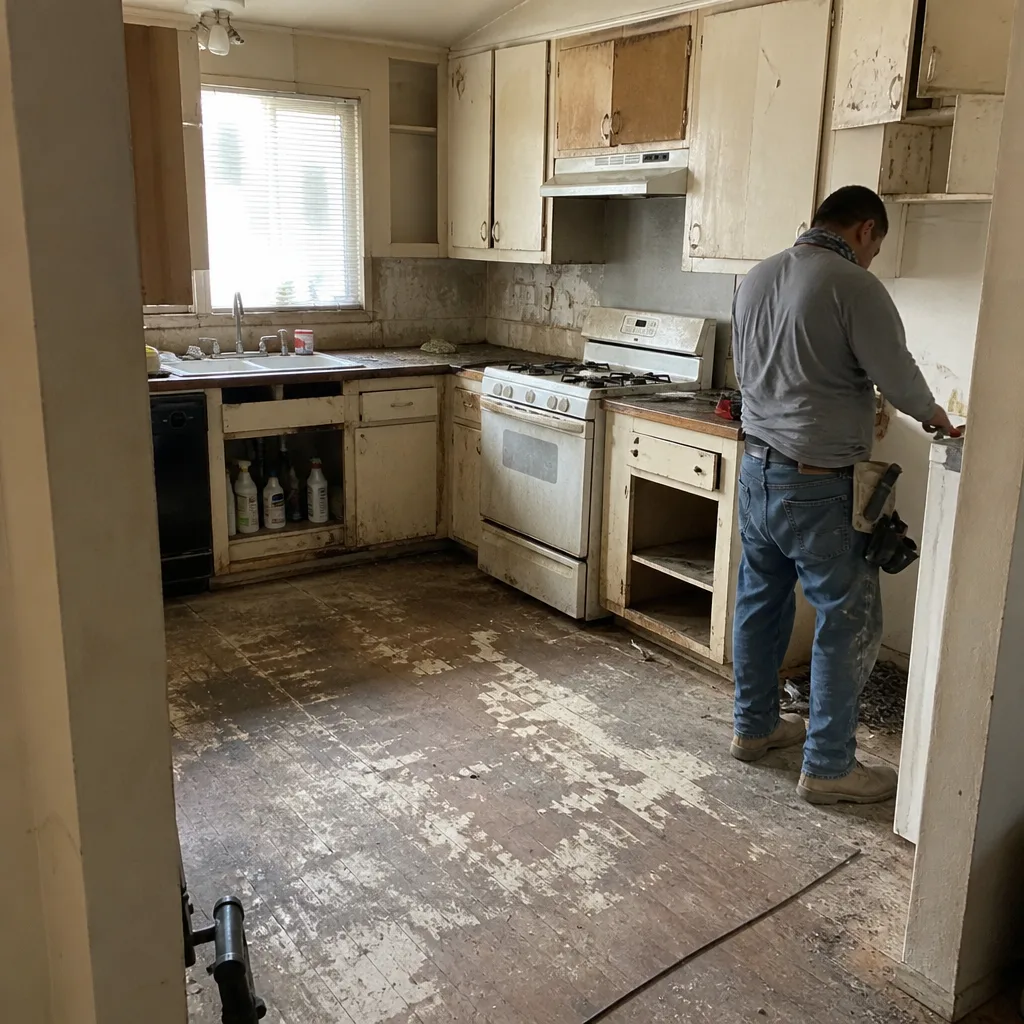 Before
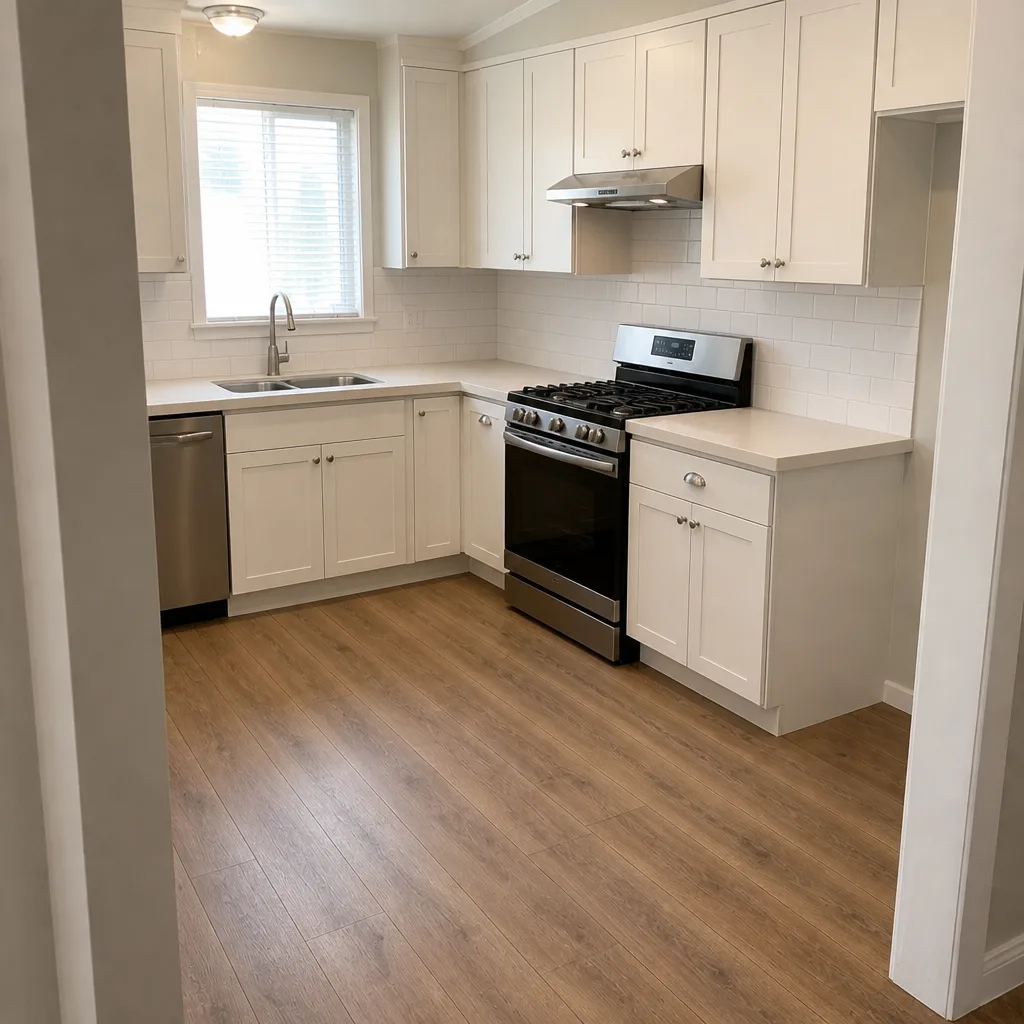 After
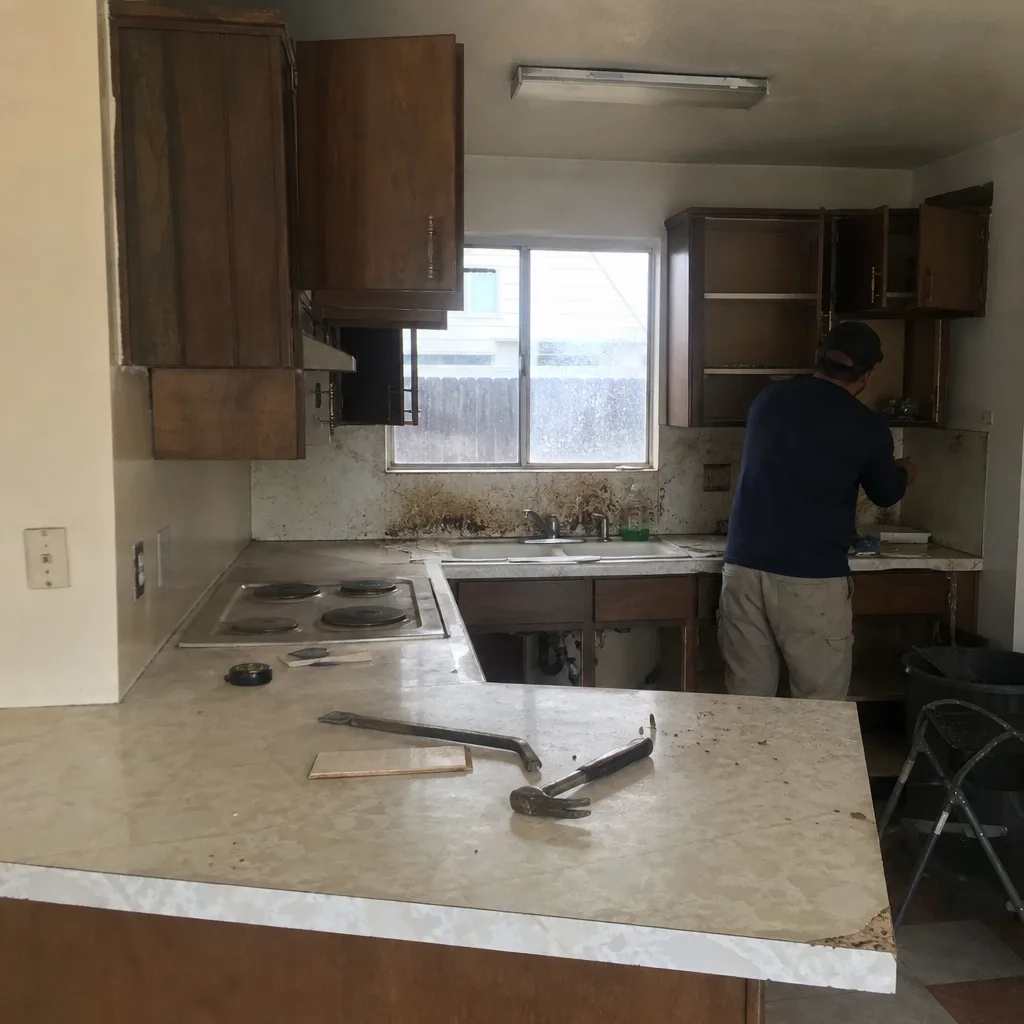 Before
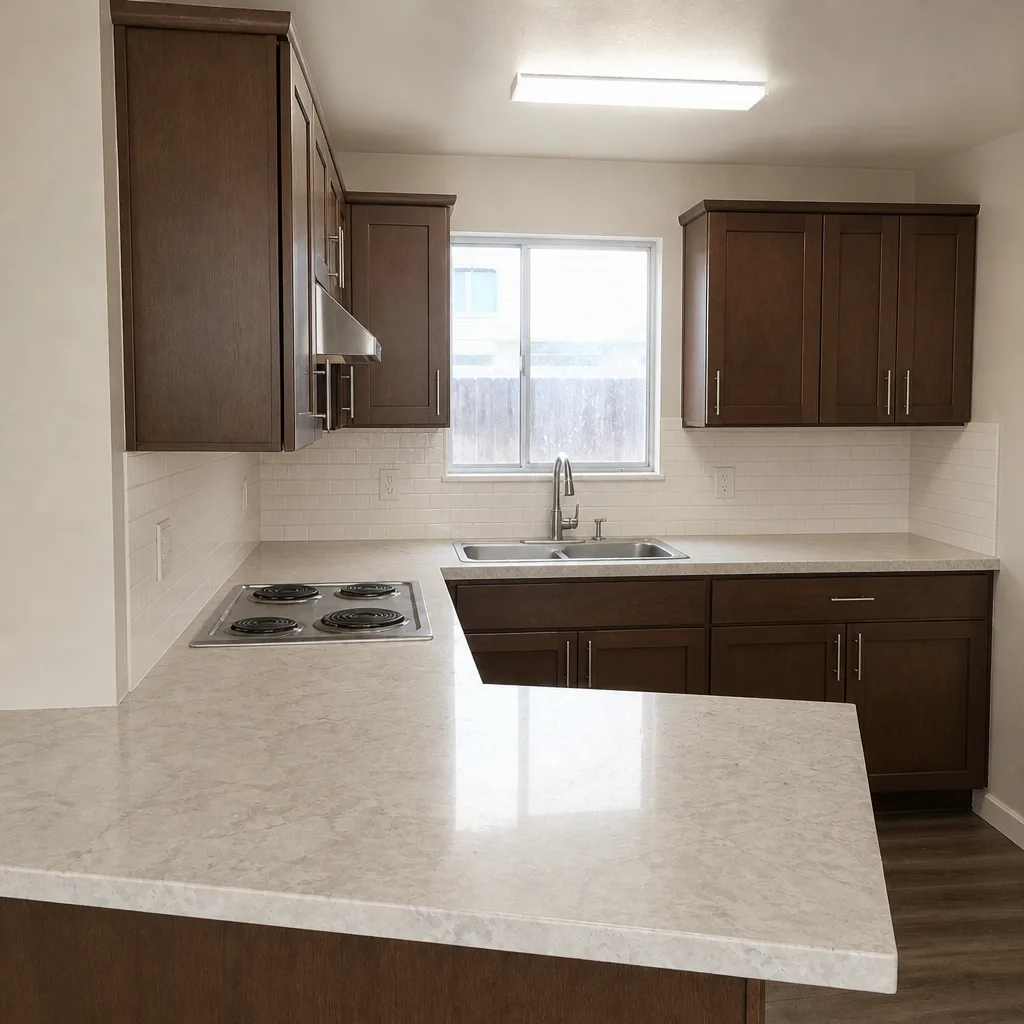 After
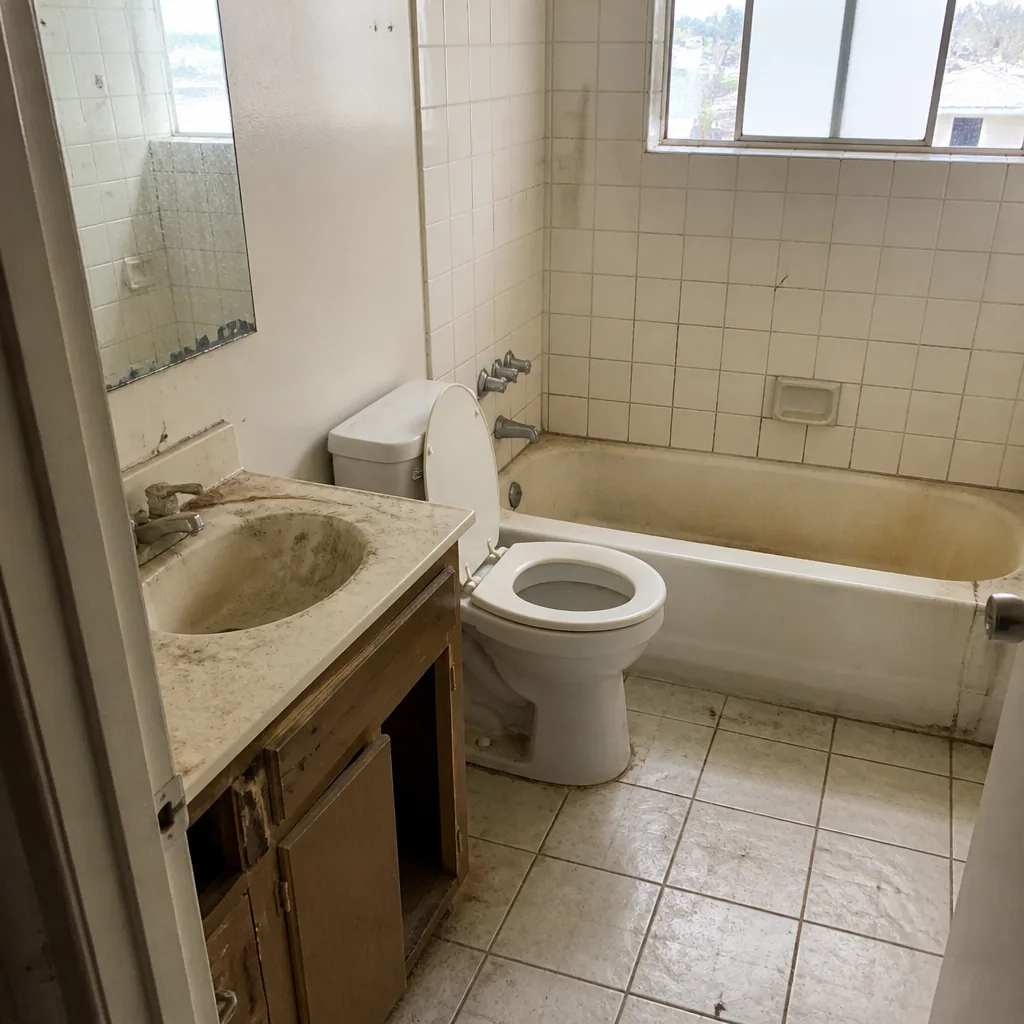 Before
 After
When to Call a Professional
Call a professional contractor when the project involves structural change, moving plumbing or gas, electrical panel work, or anything that touches the building envelope. That includes additions, ADU construction, kitchen and bath remodels with layout changes, reroofs, window replacements, and generator installs. The permit side is only the paperwork. The actual construction decisions have to line up with the approved drawings, and a contractor who has worked the Antioch permit desk understands how to build the submittal so reviews don’t come back as a lengthy correction list.
We’ve seen projects stall for months because the permit package wasn’t scoped against Antioch’s local amendments from the beginning. Avoiding that is mostly a matter of sequencing the reviews correctly and closing correction notices efficiently. Construction Antioch offers free estimates in Antioch and can walk you through the permit path for your specific project before you commit to a design. Call (866) 811-9694 to schedule your free estimate. We answer 24/7. Fast dispatch from 7am to 7pm, Sunday through Friday.
Frequently Asked Questions
Often yes, depending on the fence height, location on the lot, and whether it sits on a retaining wall. Front-yard and corner-lot fences face stricter sight-line rules than side-yard fences. Call (866) 811-9694 for an exact scope review before you order materials; estimates are free.
Plan check is currently running about three to five weeks for residential projects. Fire district review runs on a separate track and can extend that window if the two reviews aren’t submitted in parallel. Call (866) 811-9694 to talk through your project and timeline.
An attached or roofed patio cover generally needs a permit, because wind and load requirements apply to the attachment to the house. A freestanding umbrella or shade sail usually doesn’t. Call (866) 811-9694 to confirm the scope for your specific design.
Permit fees are set by the city based on the scope of work described in the drawings, and a substantial change order may trigger a revised fee. The written estimate for construction sets the price on our side. Call (866) 811-9694 to get a free estimate that reflects the actual scope.
Yes. We submit the fire district package in parallel with the building package so the two reviews overlap rather than stack. That’s a scheduling decision, not a paperwork shortcut, and it’s the single biggest timeline saver on projects in wildfire interface areas. Call (866) 811-9694 to schedule your free estimate.
A soils report is generally required for new construction, significant additions, slope or hillside work, and retaining walls above a certain height, and it’s always required if the city’s geotechnical mapping already flags the parcel. Some zones are pre-mapped and others need a site-specific investigation. Call (866) 811-9694 and we’ll help you find out which case applies.
The Bottom Line
Antioch’s permit process isn’t complicated, but it’s local. California’s code sets the baseline, and Antioch’s own amendments on windows, water heaters, and ADU setbacks, along with East Contra Costa Fire District review and the city’s current three-to-five-week plan check window, are what actually shape your project’s timeline and budget. Submit building and fire packages concurrently. Choose windows and water heaters before submittal. Scope soils reports early. And close correction notices completely before booking a re-inspection. Do those four things and the permit counter stops being a source of surprises. Construction Antioch offers free estimates and can help you plan the permit path for your remodel from start to final inspection.
Call (866) 811-9694 for a free estimate. We answer 24/7. Fast dispatch from 7am to 7pm, Sunday through Friday.
Written by the team at Construction Antioch.