
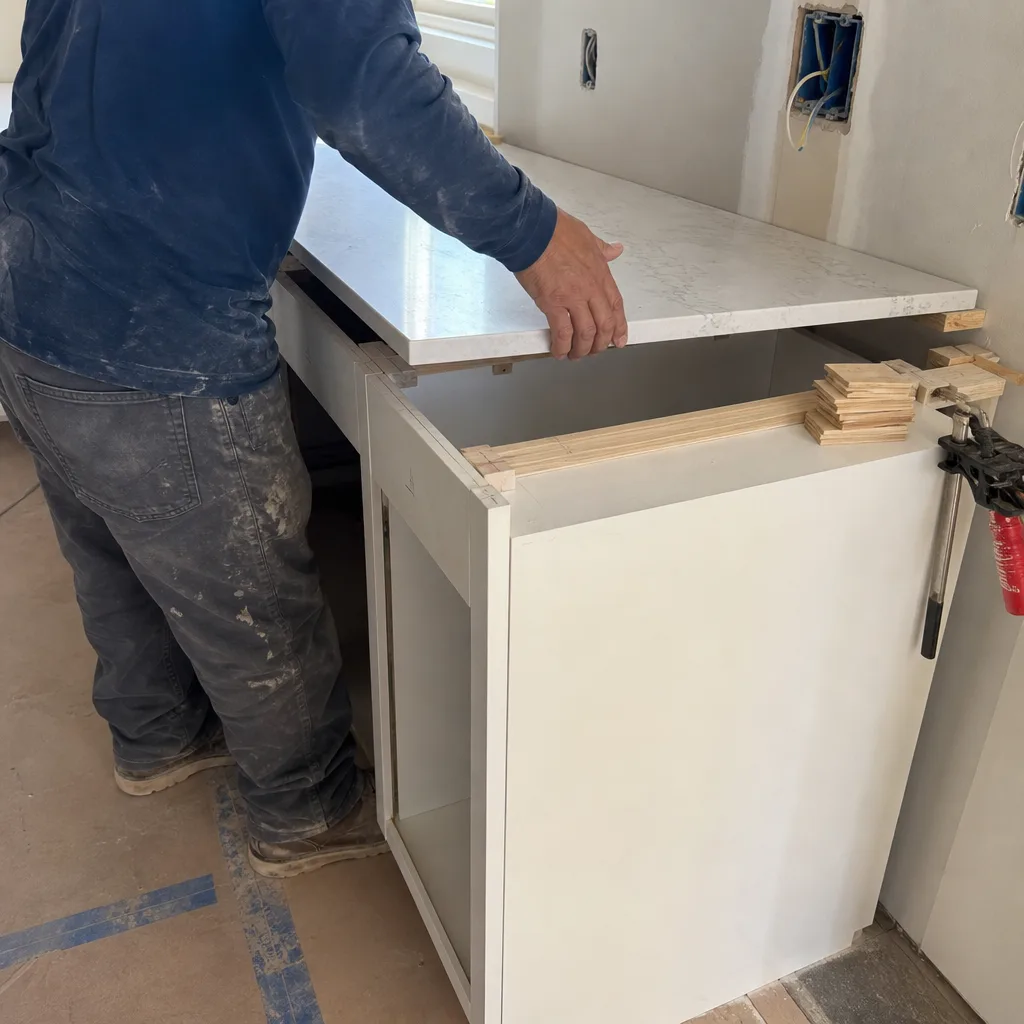
Last updated November 17, 2026
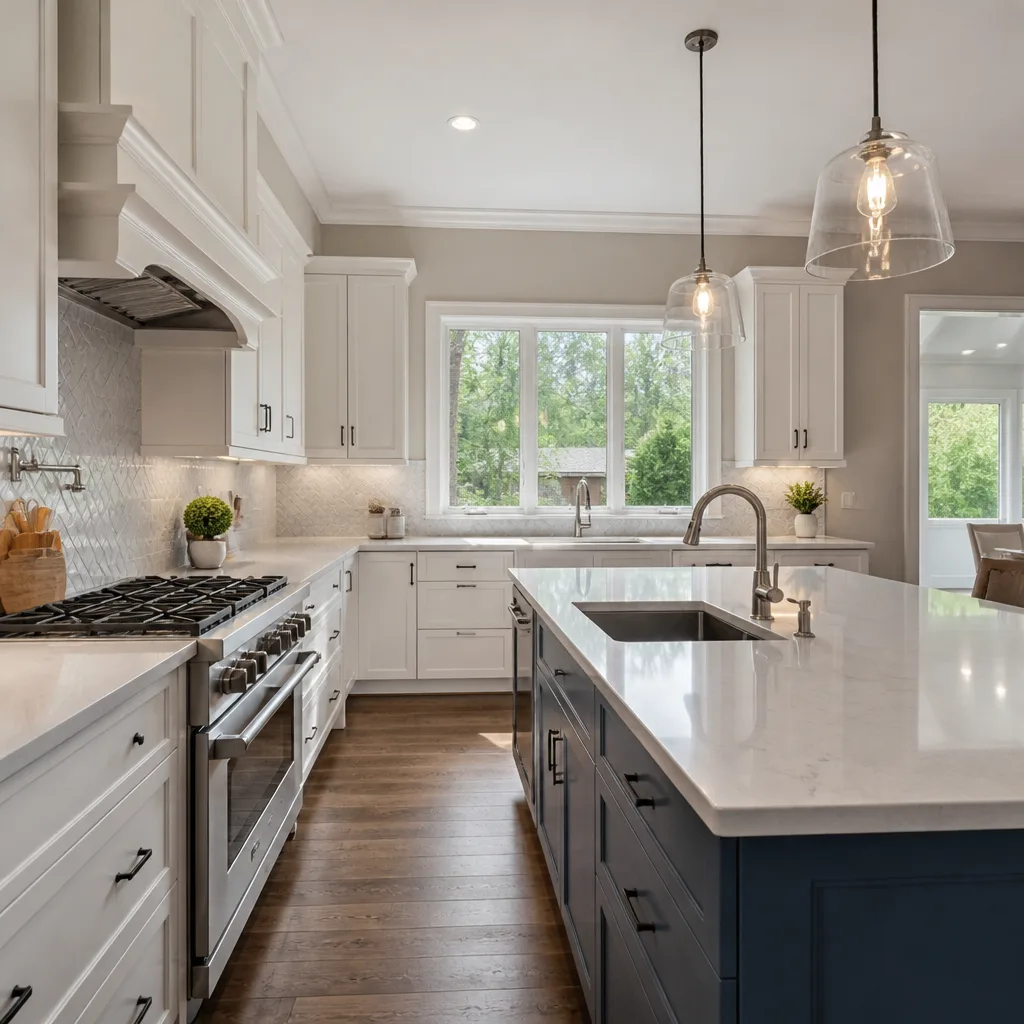 Kitchen remodeling
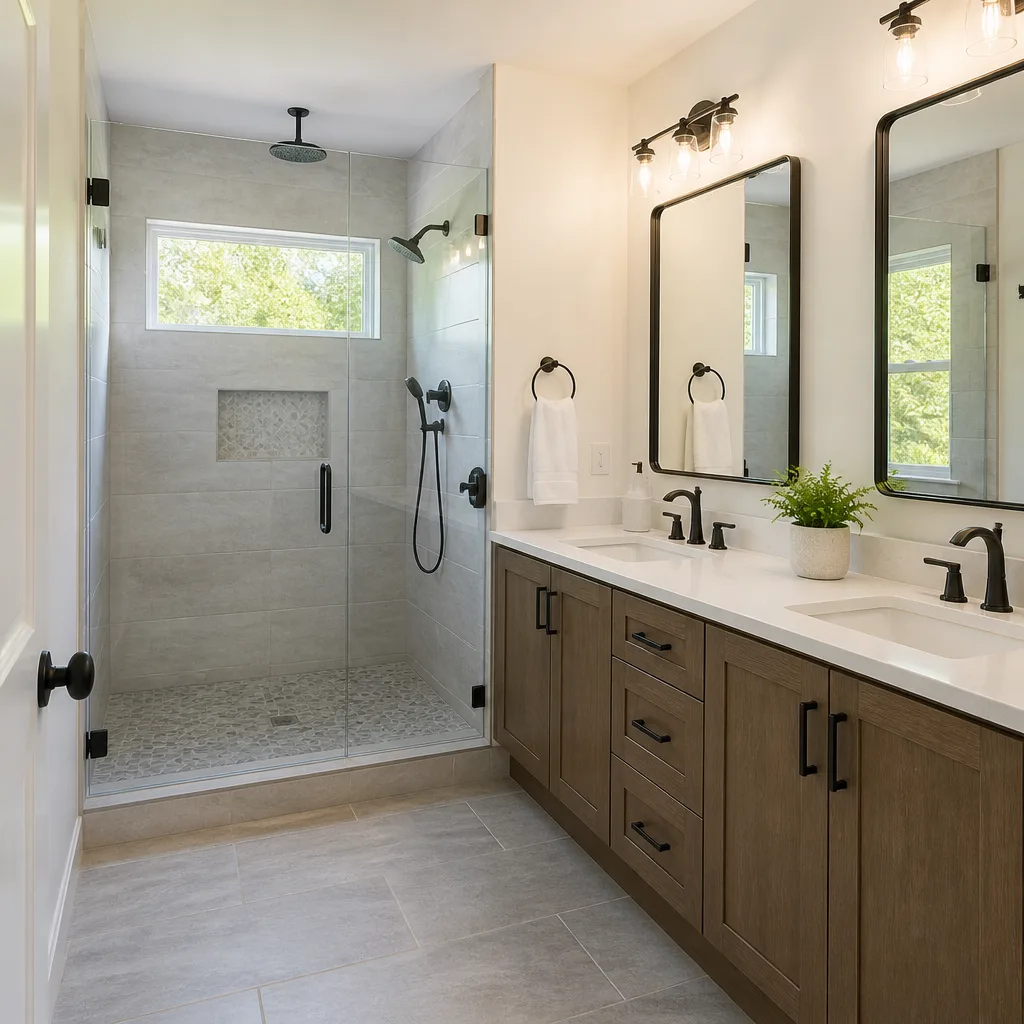 Bathroom remodeling
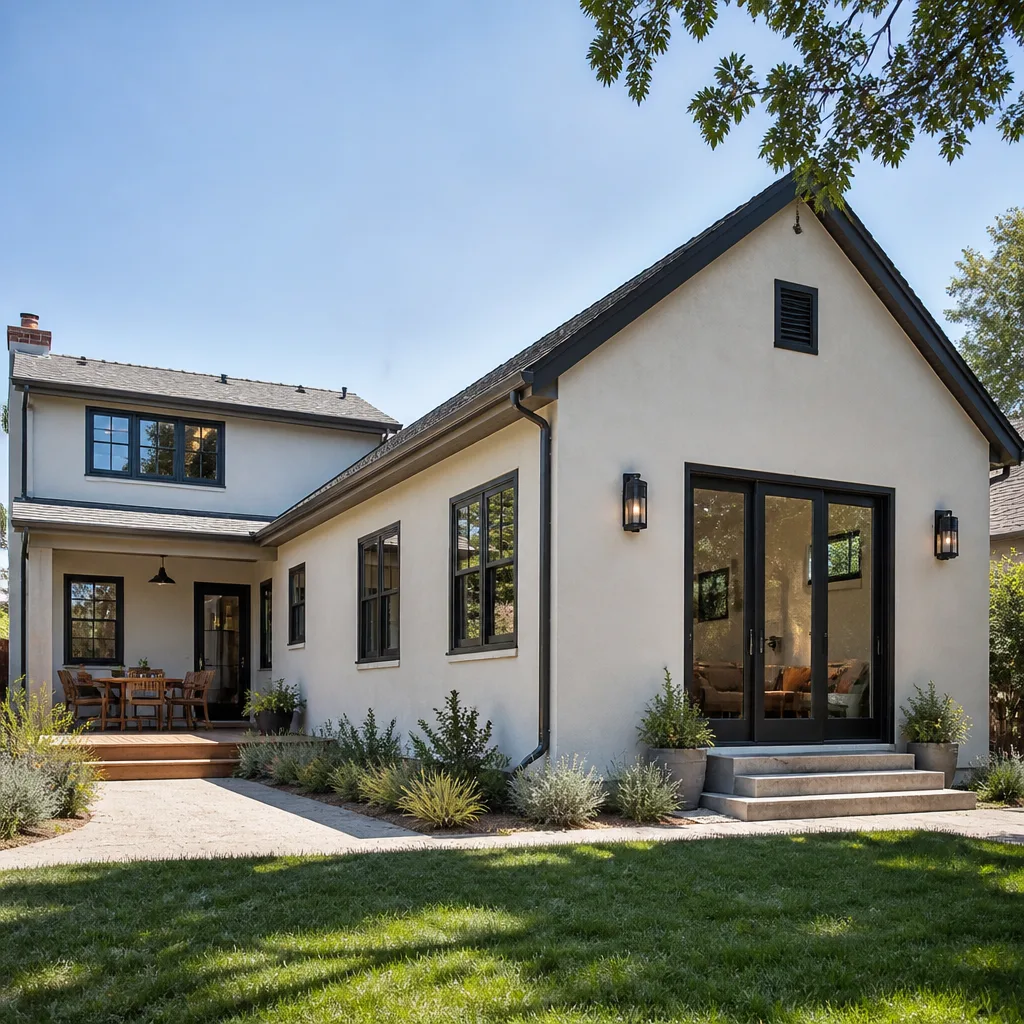 Home additions & ADU
 Roofing
 Windows & doors
 Driveway & pavers
 Fence
Free written scope consultation - allowances, timeline, and change-order rules on paper before a single trade is scheduled
How to Hire a Construction Contractor in Antioch: A Step-by-Step Guide
Most hiring advice tells you to get three bids and check the license. That advice is fine as far as it goes, and it will keep you away from the obvious bad actors. But it misses the failure pattern we see most often around Antioch: contractors who hold a valid license, quote a fair number, and then spread themselves so thin across East Bay jobs that nobody is actually watching your project. Supervision, not paperwork, is where renovations go sideways. This guide walks through what to verify, what to ask, and what to put in writing so your Antioch project gets the attention you’re paying for.
Quick Answer
To hire a construction contractor in Antioch, verify the license and insurance first, then ask a question almost nobody asks: how many active projects will the contractor be running at the same time as yours, and who is the named site supervisor? Get scope, material brands, substitution rules, and payment milestones in a written contract before work starts. The cheapest bid in Antioch’s current labor market usually signals thin staffing, not efficiency.
Styles & brands we work with
- Kitchen remodeling
- Bathroom remodeling
- Home additions & ADU
- Roofing
- Windows & doors
- Driveway & pavers
- Fence
Table of Contents
- Step 1: Verify the License, Insurance, and Bond
- Step 2: Ask About Workload and Site Supervision
- Step 3: Run an Antioch-Specific Reference Check
- Step 4: Define Scope Before You Talk Price
- Step 5: The Contract Clauses That Actually Protect You
- Step 6: Read the Bids, Not Just the Bottom Line
- Step 7: Permits, Inspections, and Who Pulls Them
- Red Flags in the Current East Bay Market
Step 1: Verify the License, Insurance, and Bond
Every legitimate contractor working in Antioch should be able to hand you a license number you can look up yourself on the Contractors State License Board website within about two minutes. Do that lookup before you discuss price. It shows whether the license is active, whether it’s the right class for the work, and whether there’s a disciplinary history attached to it.
The license is the starting line, not the finish. Three separate protections matter, and homeowners often conflate them:
- License: Confirms the contractor is legally allowed to contract for the work. Look up the number independently rather than trusting a card or a truck decal.
- General liability insurance: Covers damage to your property if something goes wrong on site. Ask for a certificate of insurance and confirm the policy is current.
- Workers’ compensation: Covers injuries to workers on your property. If a worker is hurt at your Antioch home and there’s no coverage, the liability question can land on you. Ask to see it.
Ask for these as documents, not reassurances. A contractor who’s properly covered will send them without hesitation. One who deflects or promises to “get them over later” is telling you something useful. This is also the moment to confirm whether the person you’re talking to is the license holder or an employee, because it affects who’s accountable when a problem arises.
If your project spans multiple trades – say a kitchen remodel plus a new roof – ask whether the contractor handles those scopes directly or brings in licensed subcontractors, and get the subcontractors’ names and license numbers. A single-contractor scope across trades is a real advantage in Antioch, where coordinating a roofer, a cabinet installer, and a plumber on separate schedules can add weeks of downtime to a project.
Step 2: Ask About Workload and Site Supervision
Here’s the question almost no homeowner asks, and it’s the one that separates a smooth project from a stalled one: How many active projects will you be running while mine is underway, and who is my named site supervisor?
A contractor can be fully licensed, well-reviewed, and reasonably priced and still be a poor fit if they’re carrying too many concurrent Antioch-area projects. What happens then is predictable. The crew shows up in bursts, the supervisor rotates between three or four sites, decisions get made without you, and the schedule quietly stretches. Nothing illegal occurred. The work just takes twice as long as promised, and the person accountable for quality is never on your site long enough to catch mistakes before they’re sealed behind drywall.
Interview the supervision structure the same way you’d interview the contractor:
- Ask for the name and role of the person who will be on your site day to day.
- Ask how many projects that supervisor is currently running.
- Ask how often the supervisor is physically on site versus coordinating by phone.
- Ask what happens to your project’s supervision when another job hits a snag.
- Ask whether that supervisor changes mid-project, and how you’d be notified if they did.
You’re not looking for a specific number. You’re looking for a straight answer. A contractor who says “I run three to four at a time and my lead is on each site daily” is giving you something you can hold them to. One who says “don’t worry, we handle it” is not. For larger scopes like a home additions & ADU build, supervision depth matters even more, because the inspection sequence runs longer and problems compound if nobody’s watching the sequencing.
Step 3: Run an Antioch-Specific Reference Check
Most homeowners ask references about finish quality: Were you happy with the tile? Did the cabinets line up? That’s worth knowing, but it’s the least informative question you can ask. Finish quality is what contractors show off. Process is what determines whether your project runs on time and passes inspection.
Ask these instead:
- How fast did the permit get pulled? A contractor who knows the local building department’s workflow moves faster through the front end of a project. Ask how long the permit took and whether the contractor handled it or left it to the homeowner.
- How did inspections go? Ask whether any inspection failed and, more to the point, what happened next. A contractor with a process will describe how a correction was handled; one without will blame the inspector.
- How was the schedule communicated? Ask whether the homeowner got a written schedule and whether it held.
- How were change orders handled? Ask whether changes were priced in writing before work continued, or agreed verbally and settled at the end.
- Who was on site most days? This is your supervision question, asked from the customer’s side.
Ask for at least two references from projects completed in the last year, and prefer ones in Antioch or nearby East Bay neighborhoods so the answers reflect the same building department and inspector pool your project will deal with. Then actually call. A contractor who can’t produce two recent, reachable references in the local market is telling you something about volume and follow-through.
Step 4: Define Scope Before You Talk Price
The single biggest source of contractor disputes isn’t dishonesty. It’s a scope that was never fully written down. When the bid says “kitchen remodel” and the homeowner assumed that included new countertops and the contractor assumed it didn’t, the argument that follows is expensive for everyone.
Before you collect a single bid, write your own scope document. It doesn’t need to be formal. It needs to be specific:
- List every room and surface. Kitchen: cabinets, countertops, backsplash, flooring, lighting, plumbing fixtures, appliances. Be exhaustive.
- Name the material brands you’re considering. This is where Antioch homeowners have real leverage. A contractor with deep manufacturer relationships can offer you choices across budget tiers instead of steering you to whatever is in stock. If you want engineered stone, ask which brands are on the table – Cambria, Silestone, and Caesarstone are three of the top names in that category, and a contractor who can source all three isn’t locked into one supplier’s pricing.
- State what’s excluded. If you’re keeping the existing floor, say so. Exclusions written down up front prevent “that wasn’t in the bid” conversations later.
- Note the exterior work. If you’re also upgrading the driveway, fence, or roof, list those scopes in the same document. Running them under one contractor keeps the sequencing coordinated, and coordinating a driveway & pavers install with a kitchen remodel means the heavy equipment isn’t tearing up a finished surface.
- Set your must-haves versus nice-to-haves. This gives the contractor room to propose options at every budget tier rather than quoting one all-or-nothing number.
Send the same written scope to every contractor you ask to bid. If the bids come back wildly different, you’ll know it’s a scope or quality difference rather than a mystery.
Step 5: The Contract Clauses That Actually Protect You
A residential construction contract for a full-scope project is not the place to accept a one-page summary. The standard advice to “get it in writing” is true but too vague to be useful. These are the clauses that matter most on multi-trade work in Antioch.
Scope creep language
The contract should define what triggers a written change order and what the process is. The good version reads roughly: any change to the scope must be priced and signed before work on that change begins. The bad version leaves changes to a verbal agreement and a handshake. Verbal change order culture is one of the most common sources of end-of-project disputes, and it always favors the party holding the invoice.
Substitution approval
If the contract names specific material brands, it should state that substitutions require your written approval. This clause is what stops a contractor from swapping the cabinet line you approved for a cheaper one that “became unavailable.” A contractor who names their manufacturers in the contract is giving you something to hold them to. Ask for brands by name – Jerith or Bufftech for vinyl fencing, Belgard for pavers, your chosen shingle manufacturer for the roof – so you can research quality independently instead of trusting a description.
Lien waiver timing
On a project with subcontractors, mechanics liens are a real risk. A subcontractor or supplier who isn’t paid can file a lien against your property even if you paid the general contractor in full. The protection is conditional lien waivers from subcontractors and suppliers at each payment milestone, with unconditional waivers once payment clears. Ask how the contractor handles lien waivers before you sign, not after.
Payment schedule tied to milestones
Payments should follow completed work, not a calendar. A large deposit up front and a large balloon at the end gives you little leverage if the project stalls in the middle. Ask for a milestone schedule tied to inspection points.
Step 6: Read the Bids, Not Just the Bottom Line
The lowest bid in Antioch’s current labor market is almost always a signal of under-staffing rather than efficiency. Labor is the dominant cost in East Bay residential construction right now, and a bid that undercuts the others by a wide margin is either leaving work out of the scope, planning to substitute cheaper materials, or planning to spread a thin crew across too many jobs. None of those are savings. They’re deferred costs.
When you compare bids, line them up against these questions:
- Is the scope identical? Compare line items, not totals. A missing line for drywall repair explains a lot of gaps.
- Are materials named? “Quartz countertops” and “Cambria countertops” are not the same bid. Named brands are a sign the contractor expects you to check their work.
- Are permits included? If the bid doesn’t mention permits, ask who pulls them and who pays the fees.
- Is supervision addressed? Does the bid or proposal state who runs the job?
- Is the payment schedule milestone-based? A deposit-heavy schedule should make you ask why.
A well-built bid will usually land in the middle of the pack, not the bottom. That’s not a coincidence. It reflects real labor hours, real material costs, and enough supervision to keep the job moving. Ask each contractor to walk you through their number line by line. The one who can explain it clearly is usually the one who can build it clearly.
Step 7: Permits, Inspections, and Who Pulls Them
Most structural, electrical, plumbing, and major remodel work in Antioch requires a permit, and it’s the homeowner’s responsibility to confirm one was pulled even when the contractor handles the paperwork. Unpermitted work can complicate a future sale, and it can mean an inspection failure at the worst possible moment. Ask your city’s building department directly if you want certainty about your specific scope.
What to confirm in writing before work starts:
- Who pulls the permit and whose name appears on it.
- Which inspections are required at which stages, so you know when work should pause for review.
- Who schedules inspections and who’s on site to meet the inspector.
- What happens if an inspection fails: who corrects the work, and at whose cost.
- That the final inspection and sign-off are a condition of your final payment.
That last point matters more than homeowners expect. Tying final payment to a passed final inspection keeps the contractor invested in closing the permit properly instead of moving on to the next job and leaving the file open.
Red Flags in the Current East Bay Market
Some warning signs are timeless: no license, cash-only demands, pressure to sign today. Others are specific to what’s happening in the East Bay construction market right now, and they’re easy to miss because they look like normal contractor behavior.
Vague subcontractor identification
If the contractor can’t name the electrician, plumber, or cabinet installer who’ll be on your project, you can’t verify their licenses or their insurance. “We have guys we work with” is not an answer. Ask for names and license numbers for every subcontractor on your scope.
No written material brand commitments
A proposal that describes materials generically – “premium vinyl fence,” “architectural shingles,” “quality cabinetry” – gives the contractor room to install whatever is cheapest when the order goes in. Insist on named manufacturers in the contract. A contractor with a broad brand roster will name them without friction, because the brands are the proof.
Verbal change order culture
If the contractor’s answer to “how do we handle changes” involves a phone call and a verbal agreement, expect the final invoice to reflect their memory of the conversation. Written change orders protect both sides.
Bids that skip supervision entirely
If a proposal never mentions who runs the job, ask. In a busy market, that silence often means the answer is “whoever’s available that week.”
Schedule promises with no written schedule
A verbal start date isn’t a commitment. Ask for a written schedule with milestones, and ask what happens if a milestone slips.
Reluctance to put lien waivers in the contract
A contractor who’s paying their subs properly has no reason to resist lien waiver language. Resistance is worth asking about.
Common Mistakes to Avoid
- Choosing on price alone. The lowest bid in a tight labor market usually means fewer people on your job, not a better deal. Compare scope and supervision before you compare totals.
- Never asking about concurrent workload. A licensed contractor juggling too many Antioch-area projects will pass every document check and still leave your site unsupervised for days at a time.
- Accepting a one-page contract for a full-scope project. Multi-trade work needs scope creep language, substitution approval, and lien waiver timing spelled out in writing.
- Letting materials stay generic. “Architectural shingles” isn’t a specification. Ask for the manufacturer and the product line, and get it into the contract.
- Skipping the permit check. Confirm with Antioch’s building department that a permit was pulled for your scope. Unpermitted work surfaces at resale, and it’s expensive to fix retroactively.
- Paying too much up front. A milestone-based payment schedule tied to inspections keeps your leverage intact through the middle of the project.
- Asking references only about finishes. Ask about permit speed, inspection outcomes, and schedule communication. Those answers predict your experience far better than a compliment about the tile.
See the difference
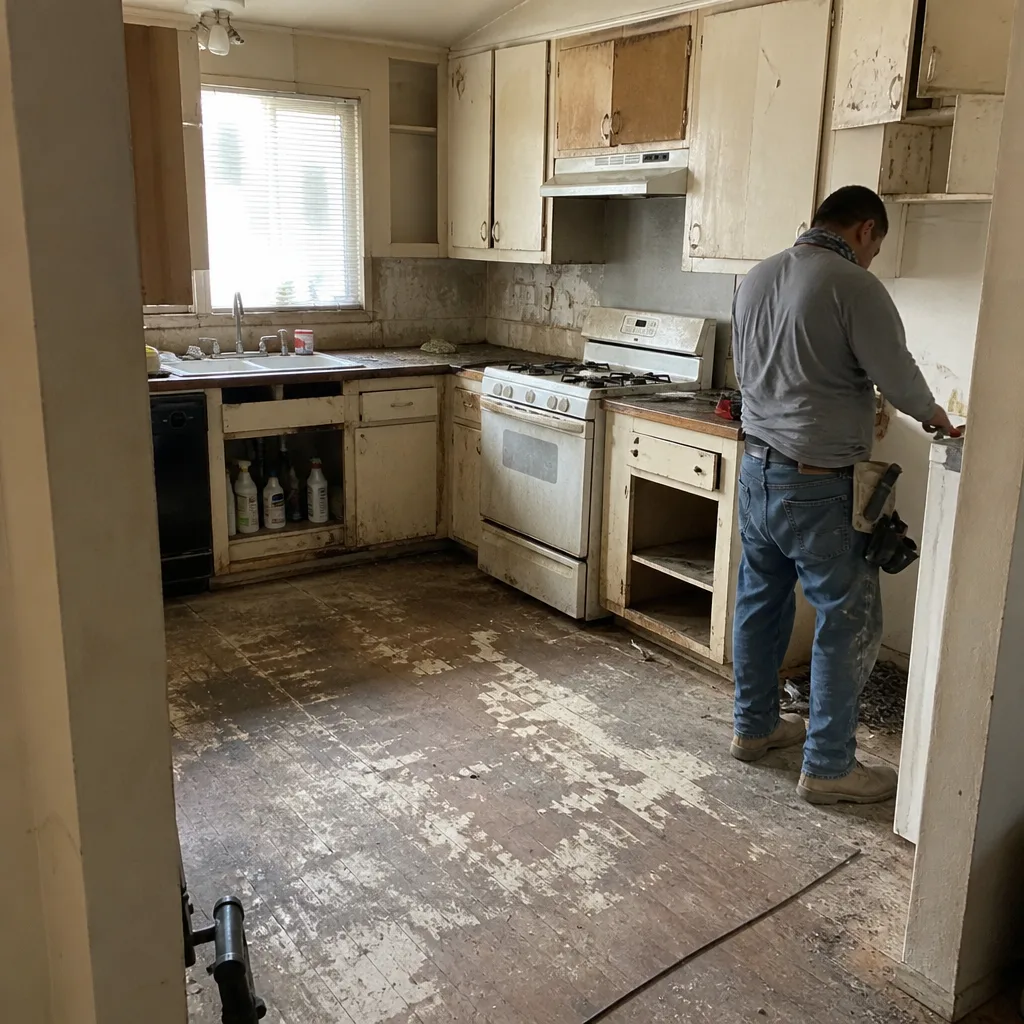 Before
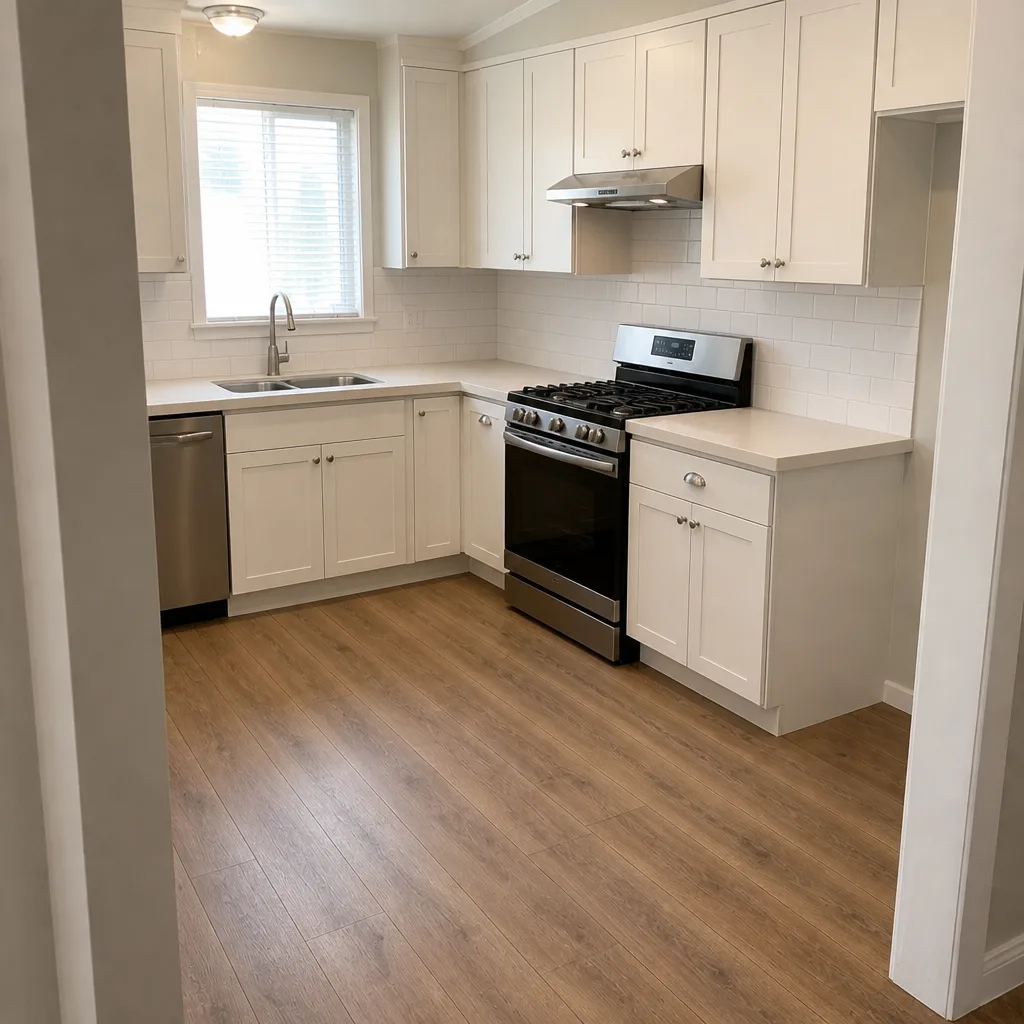 After
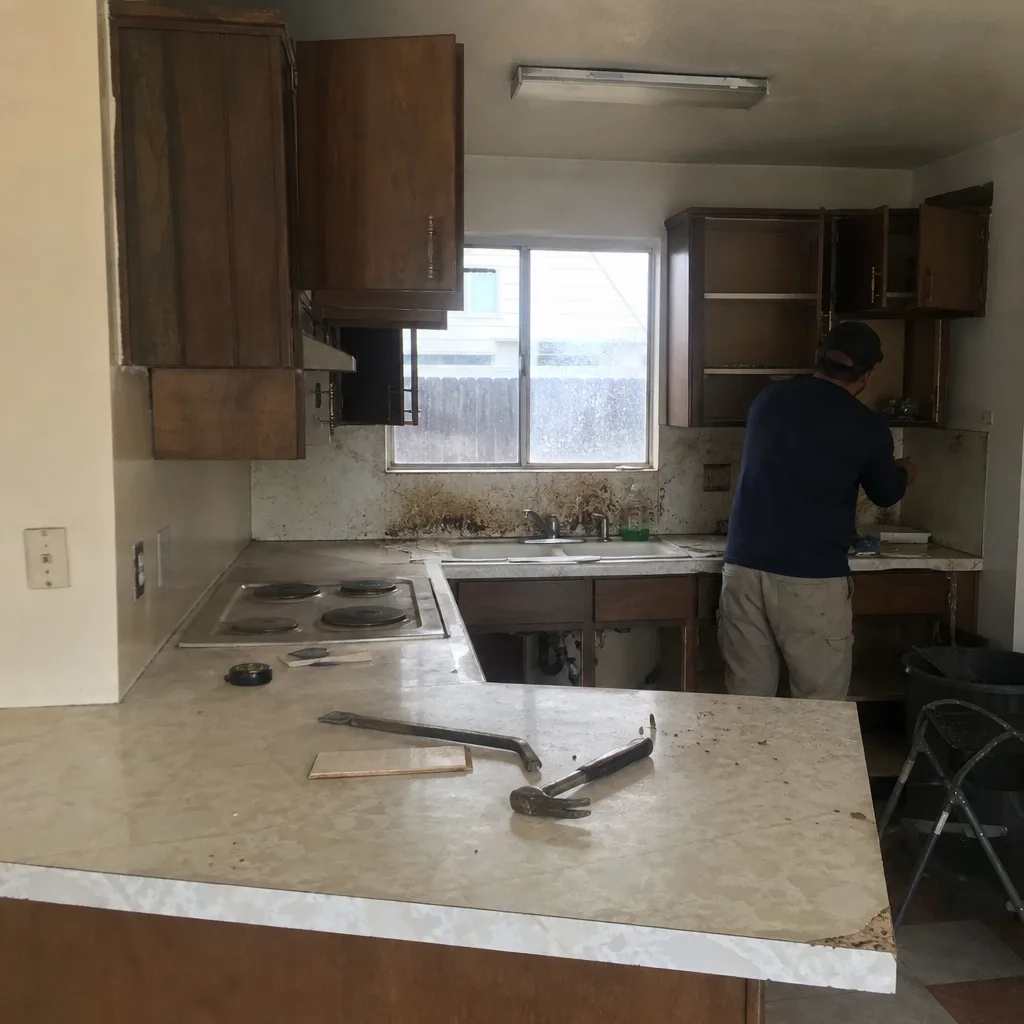 Before
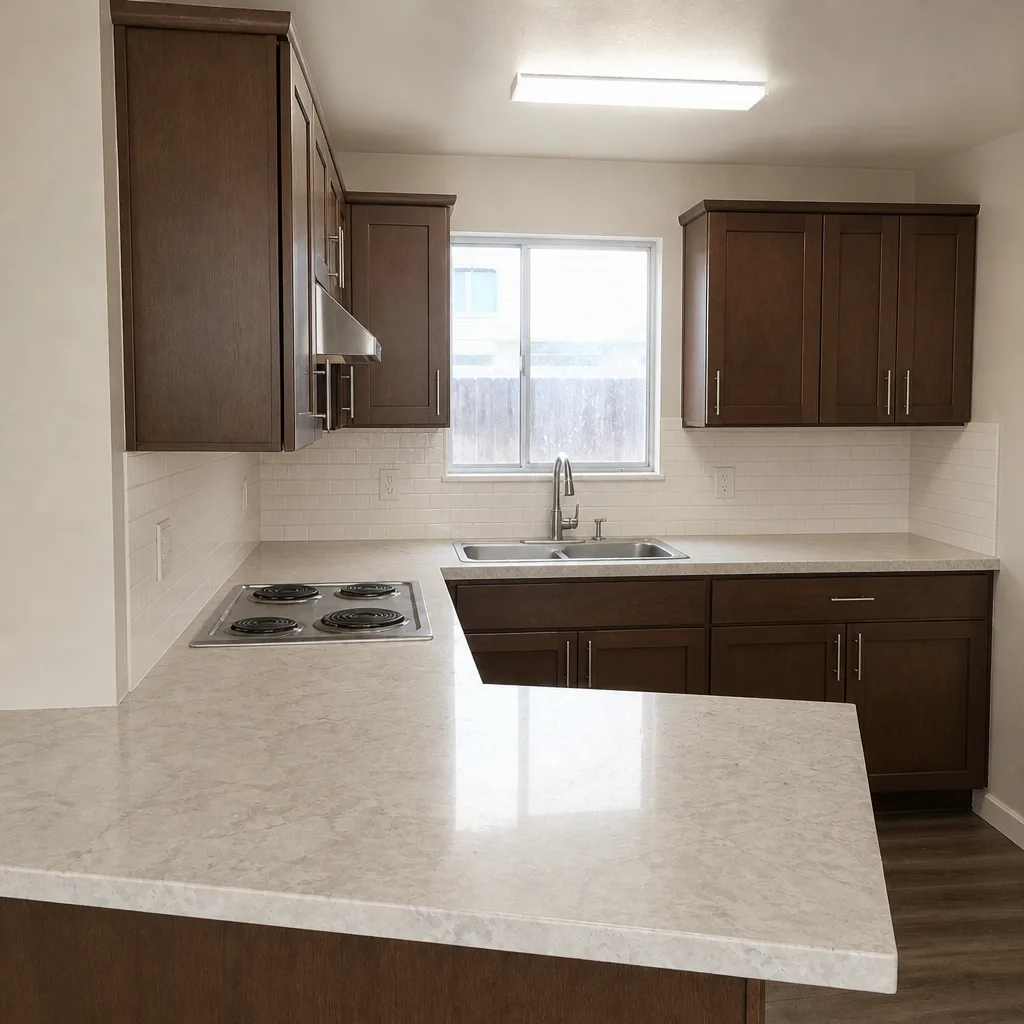 After
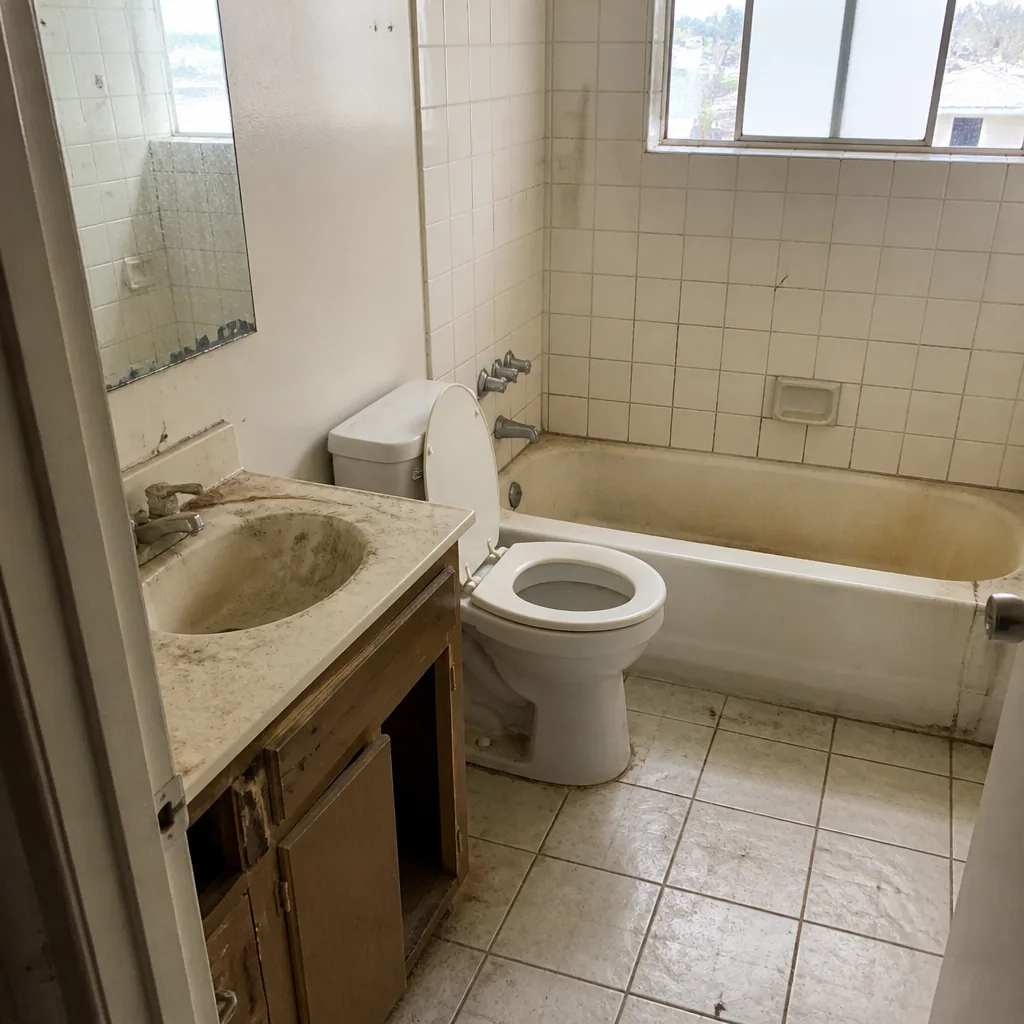 Before
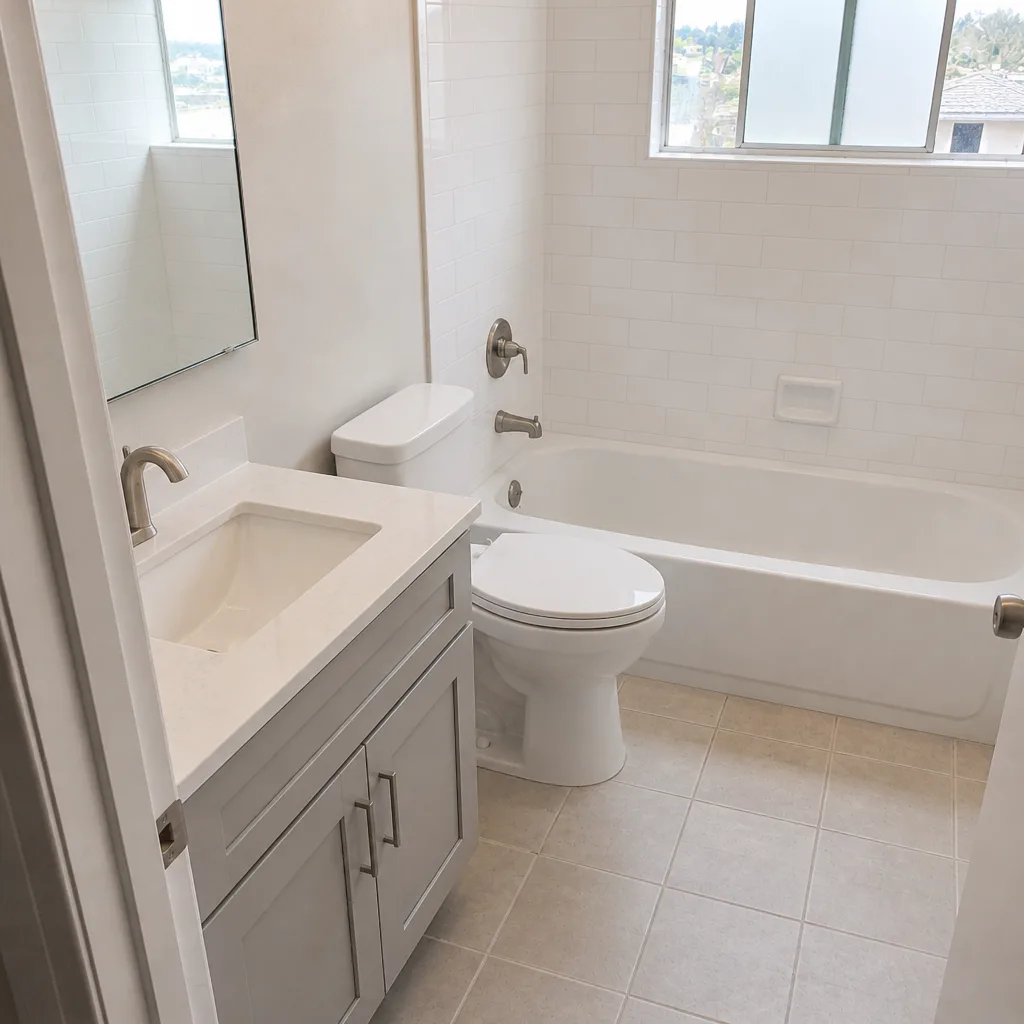 After
When to Call a Professional
Some projects genuinely don’t need a contractor. Swapping a light fixture or repainting a bedroom is homeowner territory. The line gets crossed when work involves structural changes, electrical or plumbing inside the walls, roofing at height, gas lines, or anything that requires a permit. Those scopes need a licensed professional, and the safety stakes are real: roof work at height, electrical panel work, and gas line connections can injure or kill someone who improvises. Don’t test that.
The other time to call is when you’re coordinating more than one project at once. Running a kitchen remodel, a fence replacement, and a roof repair through three separate contractors means three schedules, three sets of change orders, and three people to chase. Construction Antioch handles all of it under one contractor – from the fence installation at the property line to the cabinets in the kitchen – with free estimates in Antioch. Call (866) 811-9694. We answer 24/7. Fast dispatch from 7am to 7pm, Sunday through Friday.
Frequently Asked Questions
Look up the license number on the Contractors State License Board website yourself rather than relying on a card or a verbal claim. The lookup shows whether the license is active, whether the class matches your work, and whether there’s disciplinary history. Do this before you discuss price, and ask for certificates of general liability insurance and workers’ compensation at the same time.
Three bids is a reasonable baseline, but only if all three are bidding the same written scope. Send every contractor an identical scope document with named material brands and stated exclusions. Without that, you’re comparing different projects. Call (866) 811-9694 to schedule a free estimate – we’ll quote against your written scope, line by line.
Ask about permit pull speed, inspection outcomes, and how schedule changes were communicated. Finish quality is worth confirming, but process questions reveal whether the contractor actually supervised the job. Ask for at least two references from projects completed in the last year in Antioch or nearby East Bay neighborhoods, then call them.
It shouldn’t if the scope is written correctly. A well-drafted contract prices any change in writing and requires your signature before that work begins. The written estimate sets the final price for the scope it covers; anything outside that scope is a change order you approve separately. Ask any contractor you interview to describe their change order process before you sign.
Either can work, but the contract should state clearly who pulls the permit, who pays the fees, and who meets the inspector. Most homeowners have the contractor handle it and then verify with the city that the permit was actually issued. Tie your final payment to a passed final inspection so the permit gets closed properly.
A bid that undercuts the field by a wide margin usually reflects thinner supervision, omitted scope lines, or planned material substitutions – not efficiency. In a busy East Bay labor market, the true cost shows up later as schedule delays, change orders, and rework. Compare bids line by line, not by total.
The Bottom Line
Hiring a contractor in Antioch comes down to three checks most homeowners skip. Verify the license and insurance, then go further and ask how many concurrent projects the contractor is carrying and who your named site supervisor is. Run references that probe permit speed and inspection outcomes, not just finishes. And get scope, material brands, substitution rules, and lien waiver timing into a written contract before work starts. Price matters, but a bid that’s too low usually signals under-staffing. Choose supervision and specificity over the cheapest number, and your project has a real chance of finishing the way it was planned.
When you’re ready to price your project, Construction Antioch brings seven trade categories under one contractor and a documented roster of 50+ material manufacturers, so your choices are driven by your priorities rather than what’s on hand. We work from Construction Antioch across roofing, kitchens, bathrooms, windows and doors, fencing, pavers, and additions. Call (866) 811-9694 for a free estimate. We answer 24/7. Fast dispatch from 7am to 7pm, Sunday through Friday. Estimates are free, and the written estimate sets the price.
Written by the team at Construction Antioch.